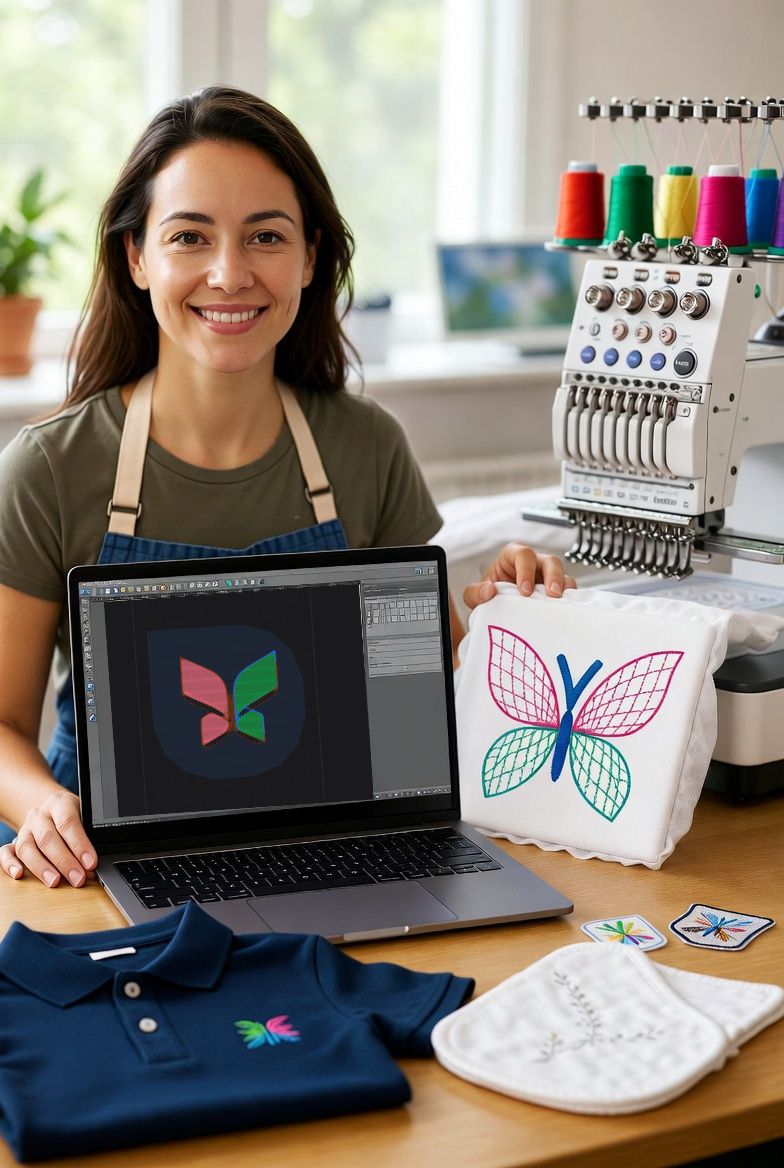
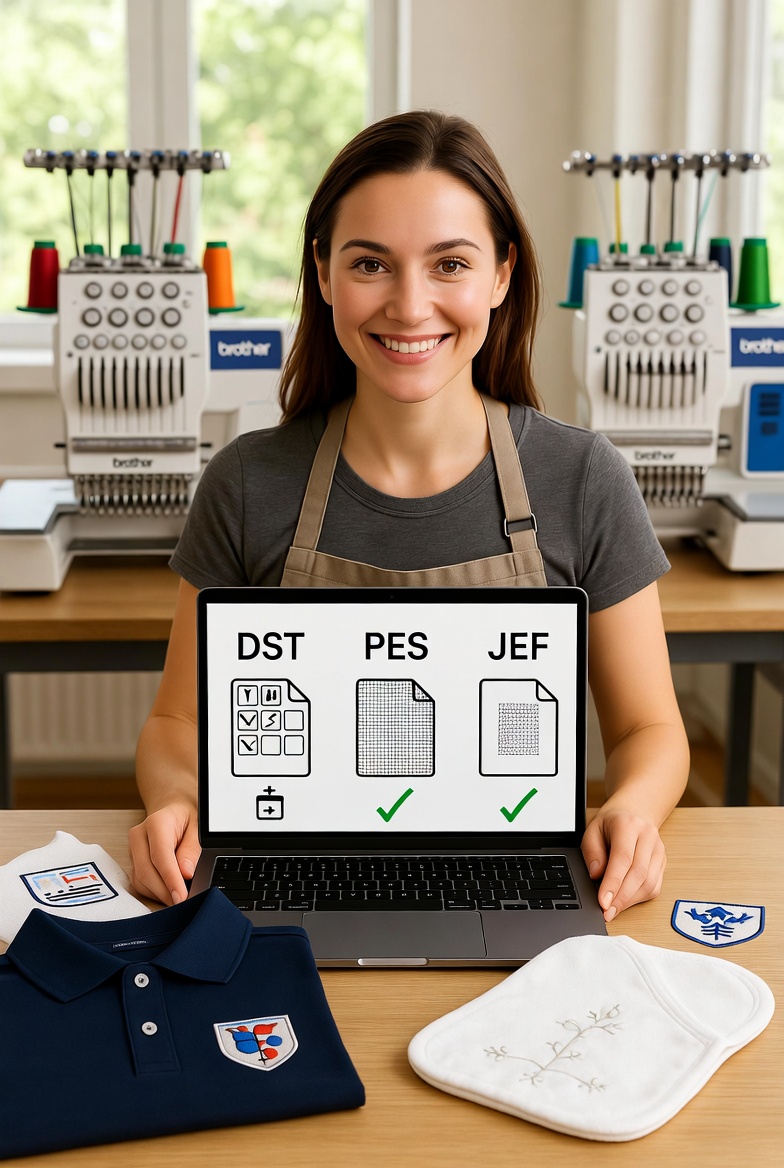
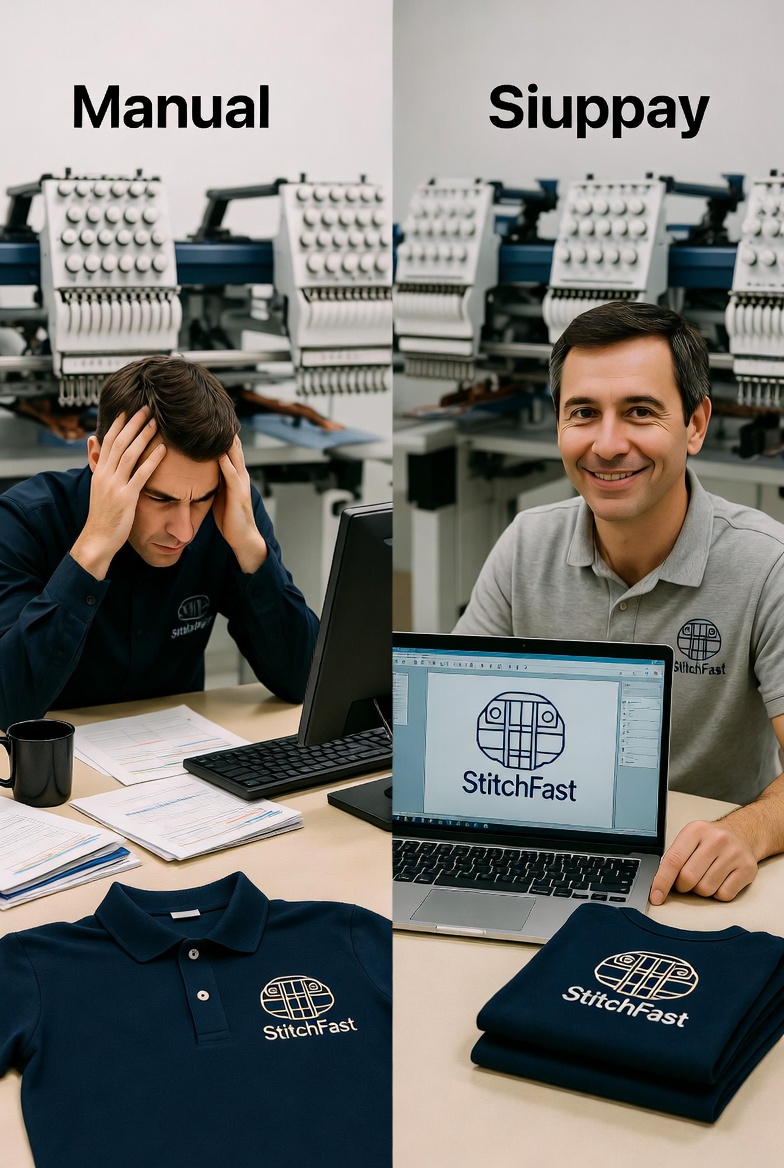
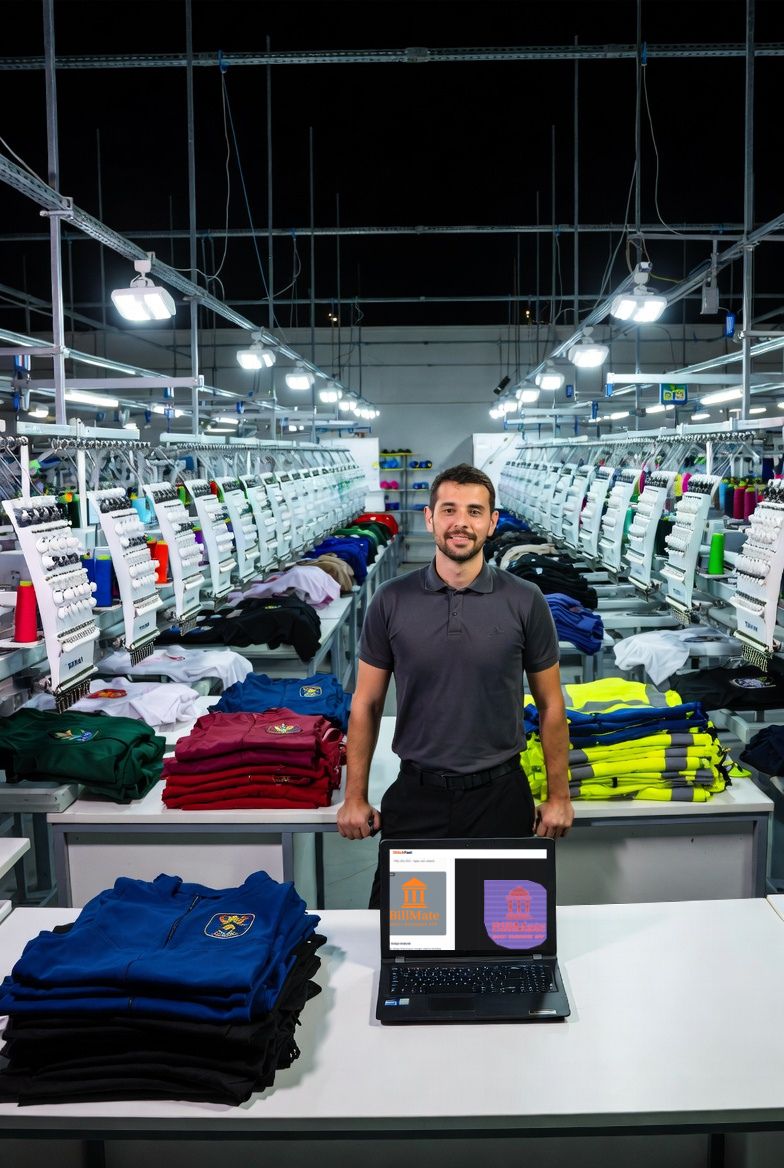
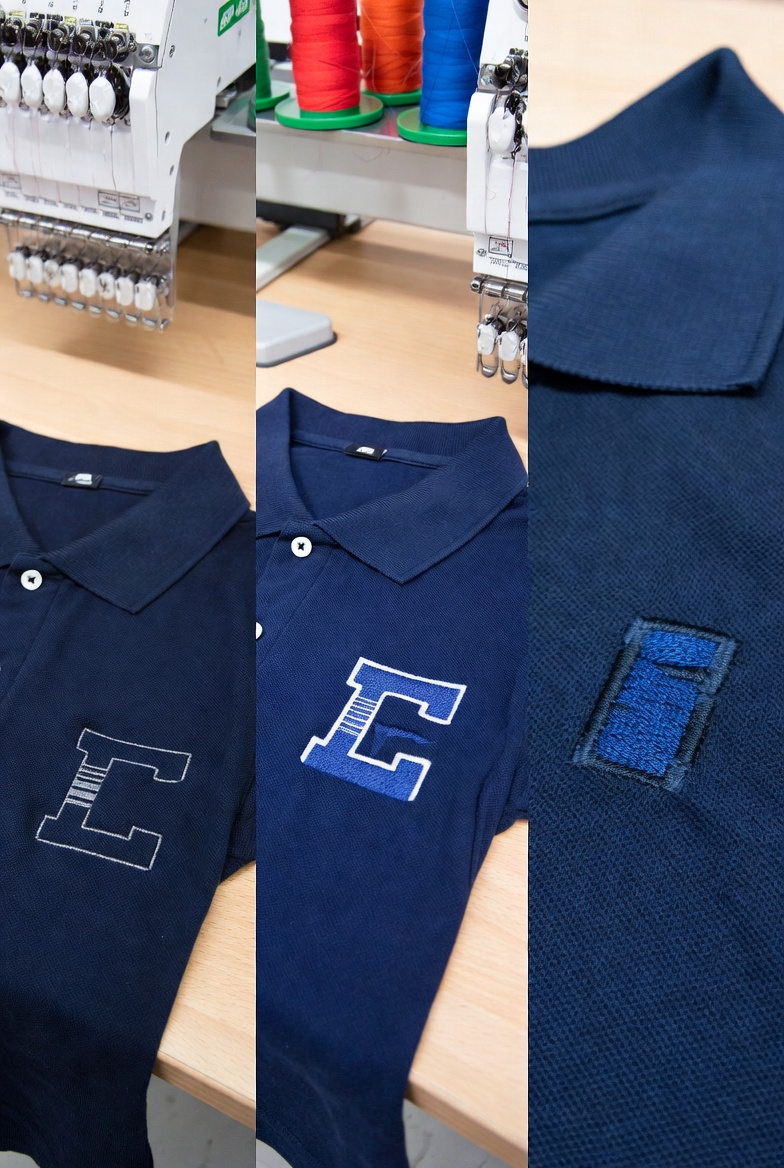
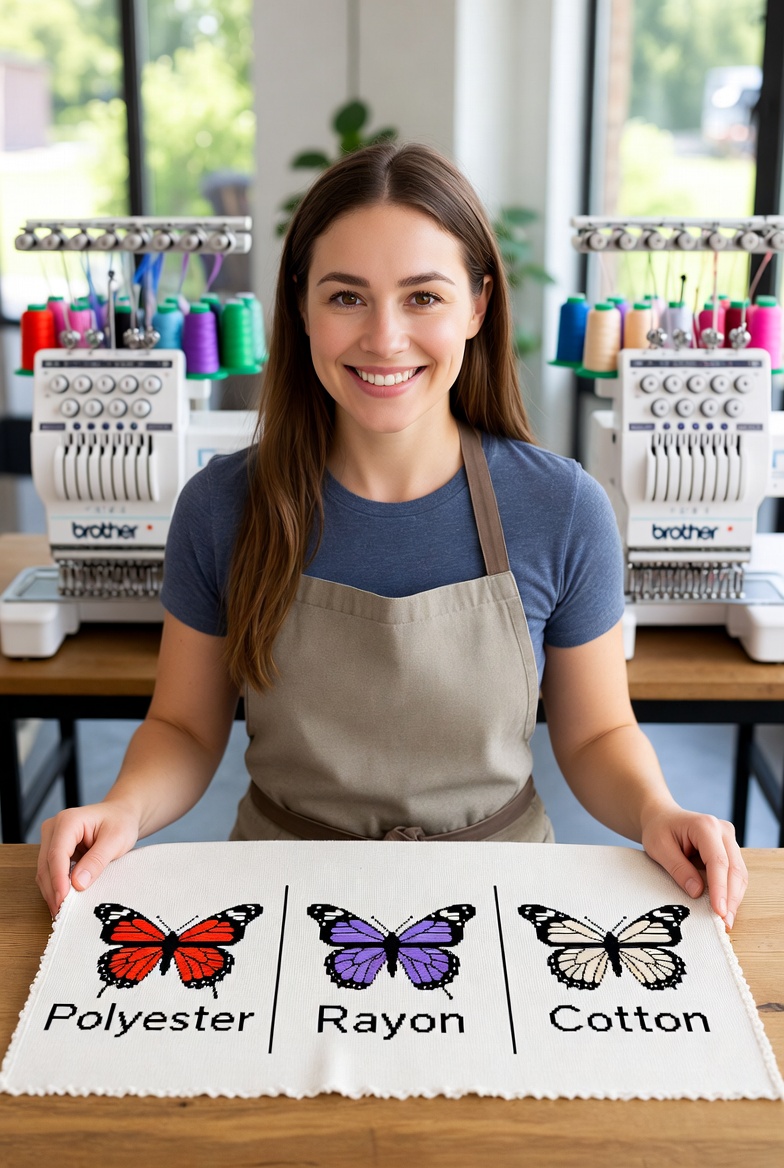
The embroidery industry encompasses dozens of distinct niches, each with different customer bases, pricing structures, competitive dynamics, and growth potential. Choosing the right niche from the start can mean the difference between a business that generates £500 per month and one that generates £5,000 or more. This guide examines ten proven embroidery business ideas, evaluated honestly on profit potential, startup requirements, and scalability, to help you identify the opportunity that best matches your situation, skills, and ambitions.
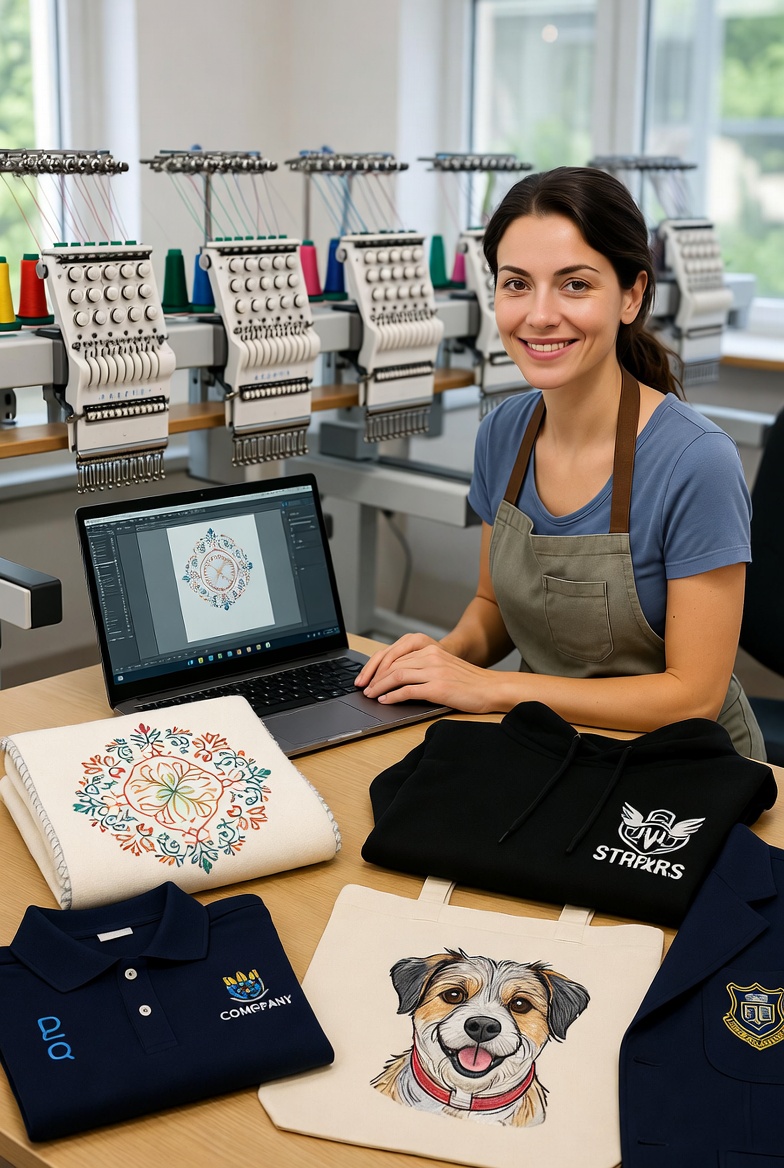
1. Personalised Baby Gifts
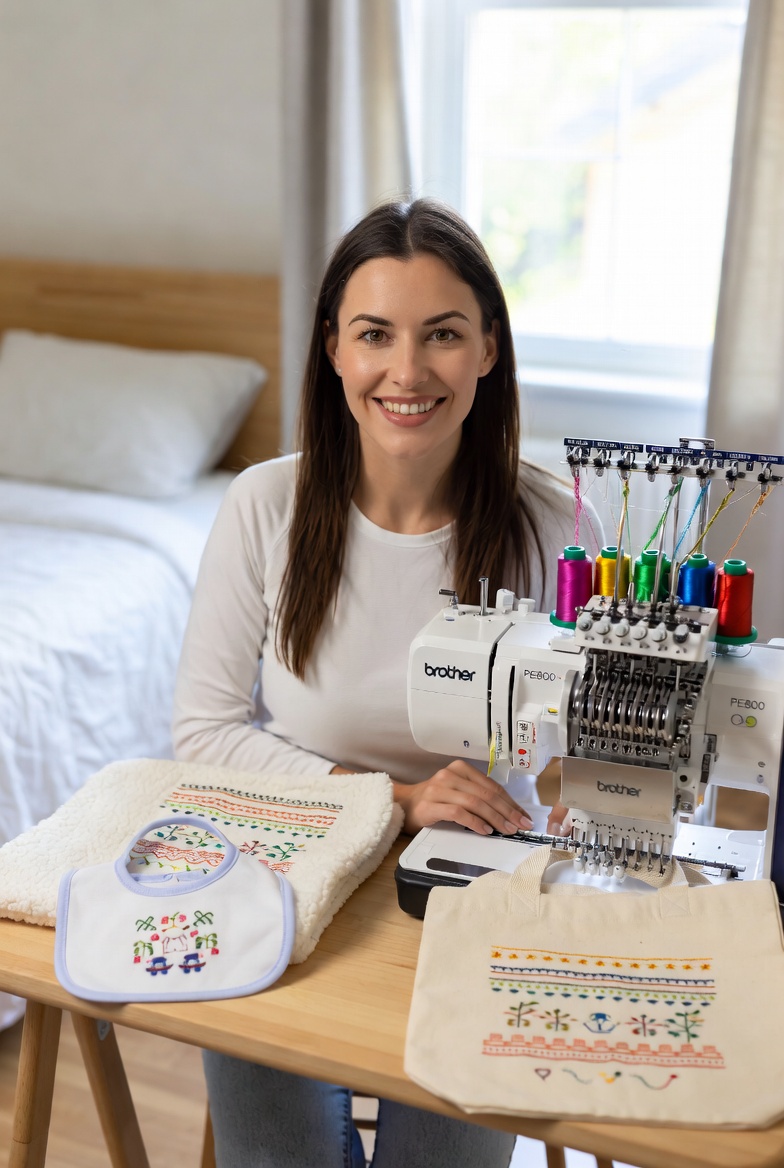
The personalised baby gift market is the most accessible and consistently profitable entry point for new embroidery businesses. Products include embroidered baby blankets (£28-45), bibs (£18-24), muslins (£15-22), comforters (£22-32), and gift sets (£45-75). The market is enormous — approximately 640,000 babies are born in the UK each year, and each birth triggers gift purchases from parents, grandparents, aunts, uncles, and friends. The emotional value of a personalised, handmade baby gift far exceeds the material cost, supporting healthy margins of 50-65 percent.
Startup cost is minimal — a single-head embroidery machine, thread collection, and wholesale blank garments totalling under £500. StitchFast handles all digitizing for personalised text designs at a flat monthly rate. Revenue potential for a dedicated full-time operation: £3,000-6,000 per month within six months. Scalability is excellent — the product range can expand to include toddler items, children's room décor, and milestone gifts, and production can scale from a single machine to multiple machines without changing the fundamental business model.
2. Corporate Workwear Embroidery
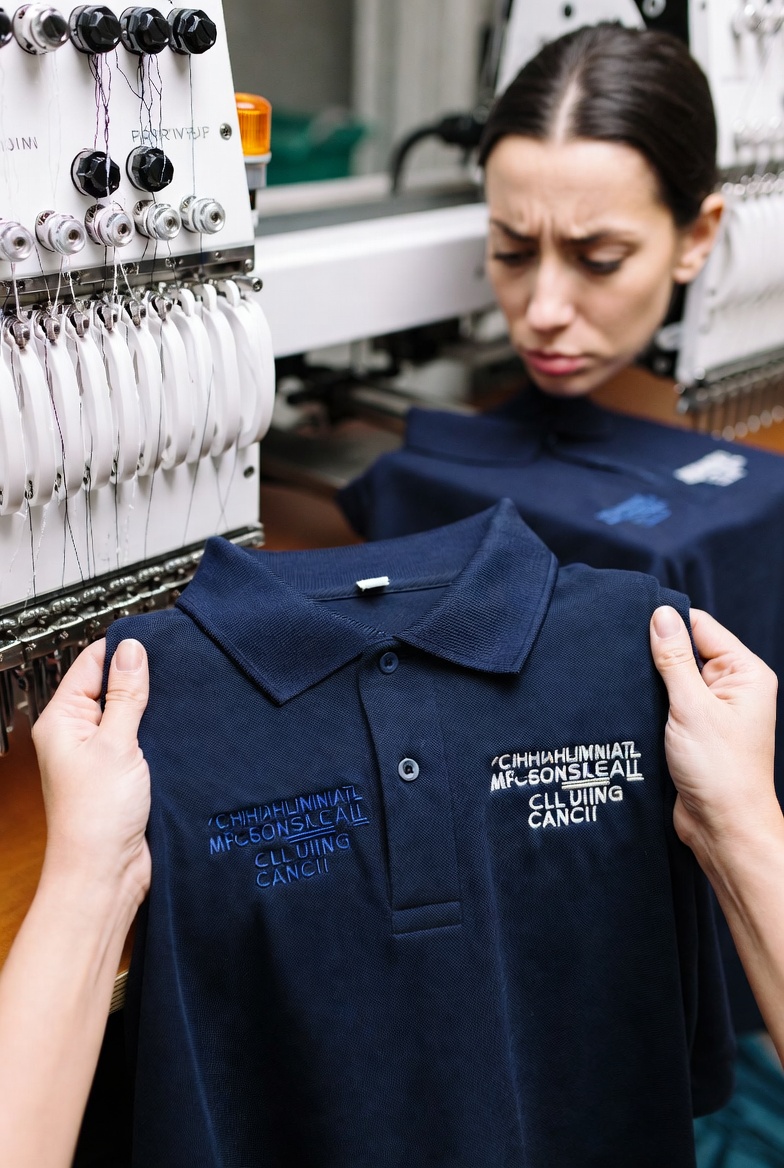
Corporate workwear — polo shirts, fleeces, jackets, and shirts embroidered with company logos — is the highest-revenue niche for embroidery businesses that can handle volume. Average order values are substantial: a typical corporate order of 50 embroidered polo shirts generates £500-750 in revenue. Repeat business is strong because employees need replacement garments, new starters need uniforms, and companies refresh their branded workwear annually. The customer base ranges from small independent businesses (5-10 garments) to national companies (hundreds or thousands of garments per year).
Startup cost is higher than consumer-facing niches because corporate clients expect professional presentation, reasonable turnaround, and the capacity to handle larger orders. A multi-needle machine (£1,500-3,000) and potentially a commercial multi-head machine (£5,000+) are needed for serious corporate work. StitchFast is essential for corporate embroidery because every client brings a unique logo that requires digitizing — with hundreds of clients, per-design digitizing fees become unsustainable. Revenue potential: £5,000-15,000 per month for an established operation with an active sales pipeline.
3. Custom Pet Portraits
Embroidered pet portraits have emerged as one of the most lucrative niches in the personalised embroidery market. Customers submit a photograph of their pet, a freelance illustrator converts it to clean vector artwork, and the embroiderer stitches the portrait onto hoodies (£42-65), cushion covers (£35-55), tote bags (£28-40), or framed embroidery hoops (£45-70). Pet owners are passionate, emotionally invested customers who are less price-sensitive than typical gift buyers and more likely to leave enthusiastic reviews and refer friends.
The key requirement is a reliable workflow for converting pet photos to embroidery-ready artwork. This typically involves a freelance illustrator (£5-8 per design at volume rates) who creates clean, colour-separated illustrations from the customer's photograph. StitchFast then converts the illustration into a stitch file instantly. Revenue potential: £2,500-5,000 per month for a dedicated pet portrait operation. The memorial pet portrait sub-niche (portraits of deceased pets) commands premium pricing and generates the highest emotional engagement and referral rates.
4. Wedding and Event Embroidery
The wedding market values personalisation, craftsmanship, and the willingness to work to tight deadlines. Products include monogrammed bridal accessories (handkerchiefs, ring cushions, dress labels), personalised wedding favours, embroidered denim jackets for hen parties, and table linen personalisation. Individual item prices are high (£25-95 depending on complexity and substrate), and the emotional significance of wedding items means quality expectations are equally high.
Seasonality is pronounced — March through September generates the majority of revenue. Same-day or next-day turnaround capability (enabled by StitchFast's instant digitizing) is a powerful differentiator in a market where brides frequently make last-minute decisions about personalisation. Revenue potential: £2,000-4,500 per month during peak season, tapering to £500-1,200 during winter months. Partnerships with bridal boutiques provide a steady referral pipeline that reduces dependence on online marketplaces.
5. Streetwear and Fashion Embroidery
Independent fashion brands using embroidery as their primary graphic medium represent a creative and high-margin niche. Products are sold directly to consumers through social media and e-commerce at premium prices (£55-120 per piece). The streetwear drop model — limited-edition releases every week or fortnight — creates urgency and exclusivity. StitchFast's unlimited plan enables weekly design drops at zero incremental digitizing cost, which is essential for maintaining the rapid creative cadence that streetwear audiences expect.
This niche requires design skills and brand-building ability in addition to embroidery production skills. The customer base is younger, more social-media-native, and more brand-conscious than other embroidery markets. Revenue potential: £2,000-8,000 per month depending on brand recognition and following size. Scalability is excellent — the limited-edition model creates artificial scarcity that supports premium pricing even as production volume increases.
6. School Uniform Embroidery
School uniform embroidery is a seasonal but high-volume niche with strong repeat business. Schools require embroidered badges on blazers, polo shirts, PE kits, and book bags, and the customer base renews annually as children grow and need replacement garments. Average order sizes are large (entire schools ordering hundreds of garments), and contracts tend to be multi-year. Revenue potential: £8,000-25,000 per month during peak season (June-August) for an established supplier serving 50+ schools.
The startup barrier is higher — schools expect reliable supply, professional communication, and the capacity to fulfil large orders on tight timelines. A commercial multi-head machine is typically necessary. StitchFast's ability to digitize entire school badge catalogues quickly is invaluable for new suppliers building their file library. The competitive moat is strong once established — switching costs for schools are high, and relationships with school administrators tend to be loyal.
7. Patches and Badges
Embroidered patches are a distinct product category with their own production requirements and market dynamics. Patches are produced on backing material rather than directly on garments, trimmed with heat-cut or Merrow-edge borders, and sold as standalone items or applied to garments by the end customer. Markets include military and emergency services insignia, club and organisation badges, fashion patches for denim and accessories, and custom promotional patches for brands and events.
Patch production requires higher stitch density (full coverage with no visible backing) and specific finishing equipment (a heat cutter or Merrow machine for borders). Revenue potential varies widely — a small Etsy shop selling fashion patches might generate £1,000-2,000 per month, while a specialist manufacturer serving institutional clients can generate £10,000-30,000 per month.
8. Sports Team Merchandise
Sports clubs at every level — from grassroots junior teams to semi-professional leagues — need embroidered team wear. Training tops, coaching jackets, presentation wear, and merchandise (caps, scarves, bags) all carry embroidered club badges and sponsor logos. The seasonal demand aligns with sports calendars, and the variety of clubs creates a broad potential client base. Revenue potential: £4,000-15,000 per month for a supplier serving 50-200 clubs, with strong growth potential through geographic expansion.
9. Hospitality Textile Branding
Hotels, restaurants, spas, and event venues use embroidered textiles as brand touchpoints — logos on staff uniforms, monograms on bathrobes and towels, crests on table linen. The hospitality market values quality and consistency above all else, and relationships with hospitality clients tend to be long-term and high-value. Revenue potential: £3,000-10,000 per month for a supplier serving a portfolio of hospitality accounts. The luxury hotel segment commands premium pricing and is less price-sensitive than other markets.
10. Embroidery Design Marketplace
Rather than producing finished embroidered products, some entrepreneurs focus on creating and selling embroidery stitch files to other embroiderers. Platforms like Etsy, Creative Market, and dedicated embroidery design marketplaces (Embroidery Library, Urban Threads) host thousands of designers selling stitch files at £2-8 per design. The business model is pure digital — no physical production, no shipping, no inventory. Revenue potential: £500-5,000 per month depending on design quality, portfolio size, and marketing effectiveness. StitchFast can be used as a rapid prototyping tool — generating initial stitch files from design concepts that are then refined and packaged for sale.
Choosing Your Niche
The right niche depends on your starting capital, available time, risk tolerance, and personal interests. Low-capital starters should begin with personalised baby gifts or custom text embroidery, where the startup cost is under £500 and revenue begins within the first week. Ambitious entrepreneurs with more capital should consider corporate workwear or school uniforms, where larger initial investment enables higher revenue potential. Creatively driven individuals should explore pet portraits or streetwear, where design skill and artistic vision are the primary differentiators.
Regardless of which niche you choose, StitchFast's unlimited digitizing removes the per-design cost barrier that has historically limited embroidery businesses' ability to experiment, diversify, and scale. Every niche listed above requires unique stitch files for every order, every client, or every design — and StitchFast generates those files instantly at a fixed monthly cost that does not increase with volume. This economic foundation makes every niche more viable, every margin healthier, and every growth trajectory steeper than it would be with traditional per-design digitizing costs.
Embroidery Business FAQs
Is an embroidery business profitable?
Yes. Most niches in this guide have realistic monthly revenue from a few hundred to several thousand pounds, depending on the niche, your capacity and your marketing. Personalised gifts and corporate workwear tend to be the most dependable earners.
Which embroidery business is the most profitable?
Corporate workwear and school uniform embroidery usually generate the highest, most repeatable revenue because the orders are bulk and recurring. Custom pet portraits and streetwear can command higher prices per item but depend more on design skill and marketing.
How much does it cost to start an embroidery business?
Low-capital niches like personalised baby gifts or custom text embroidery can start for under £500. Higher-volume niches such as corporate workwear or uniforms need more upfront investment in equipment and stock, but support larger revenue in return.
Do I need to know how to digitize to start?
No. Digitizing — turning artwork into stitch files — used to be the main skill barrier. Tools like StitchFast generate stitch files automatically from an uploaded image, so you can take on custom orders without learning manual digitizing first.
Can I run an embroidery business from home?
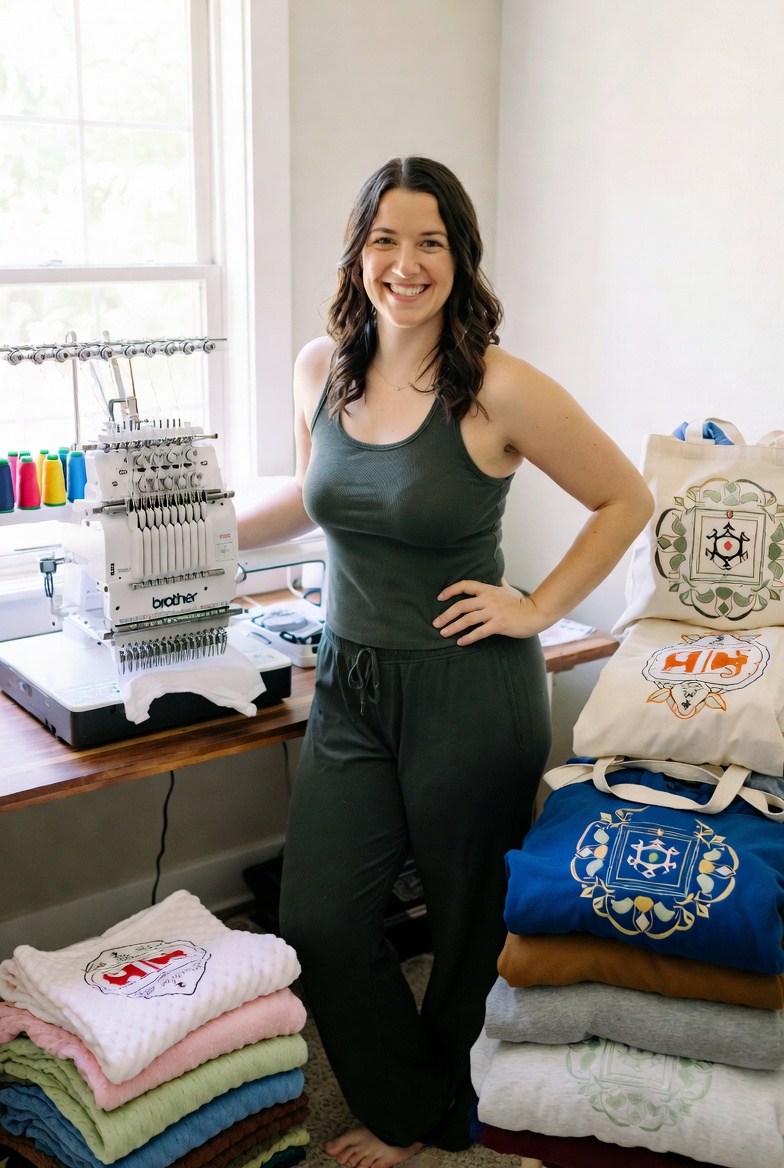
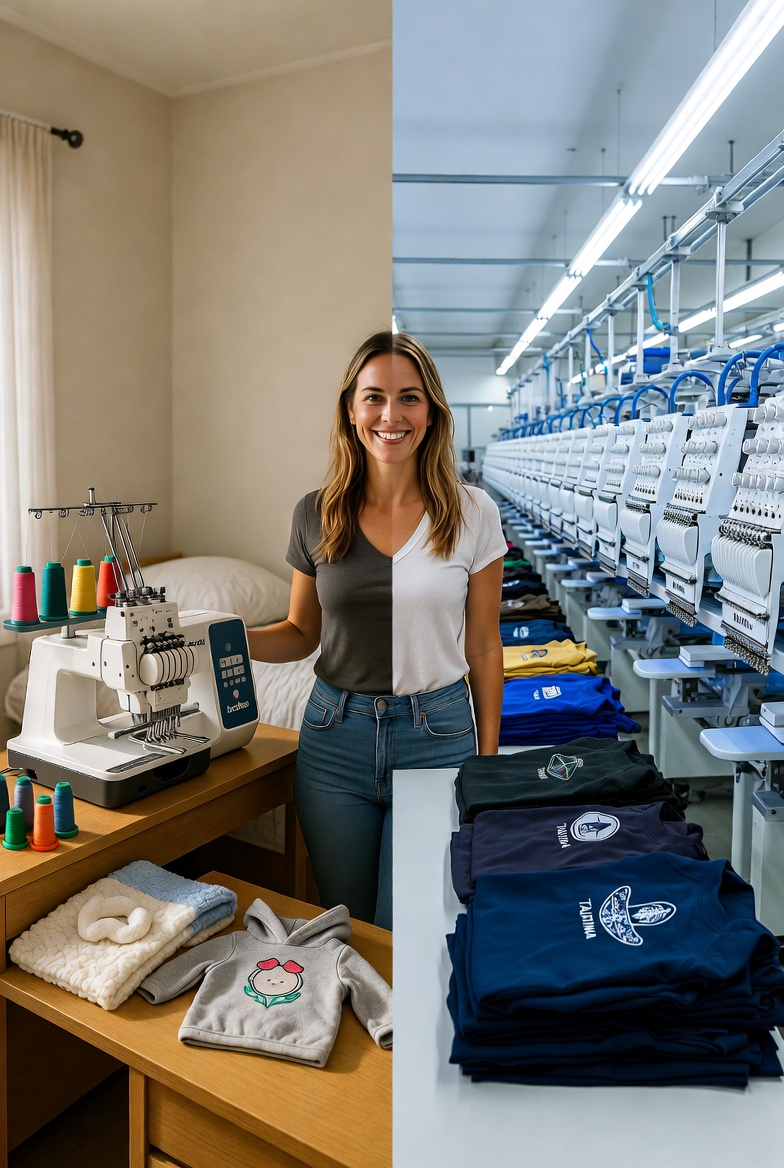
Yes. Most of these niches start as home businesses with a single machine, and several StitchFast customers have scaled from a spare bedroom to full-time operations. Starting from home keeps overheads low while you build a client base.