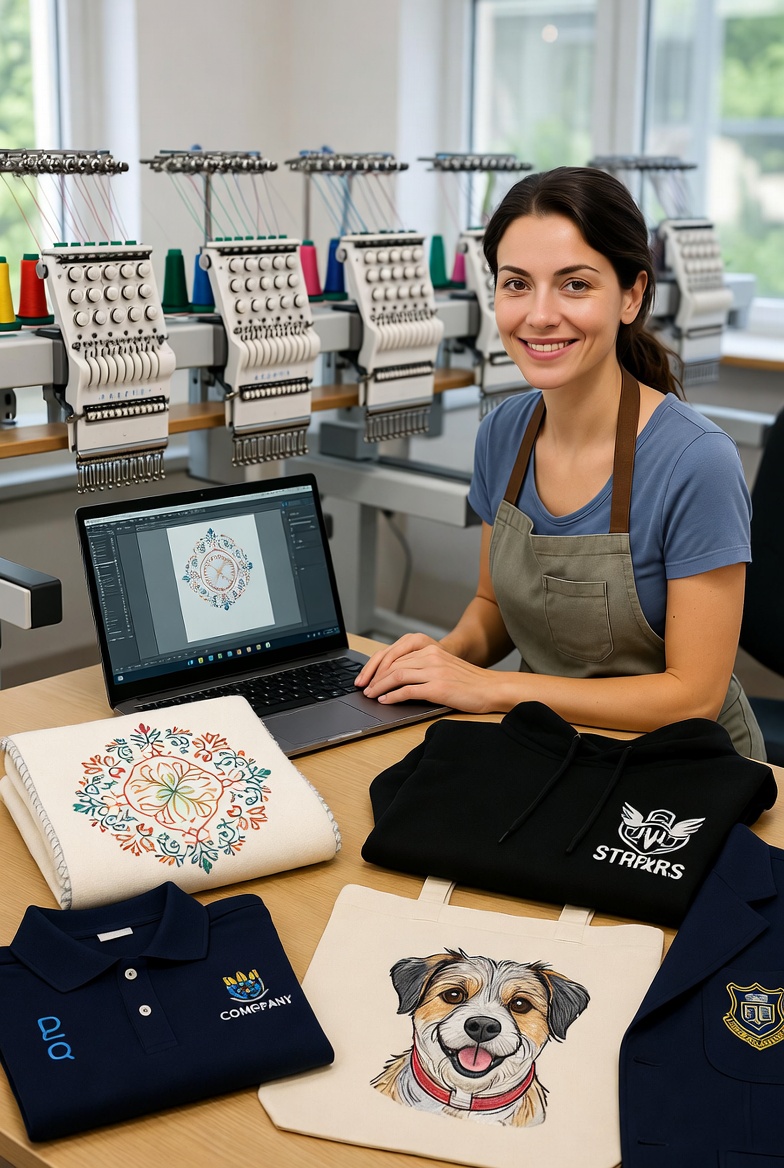
The barrier to starting an embroidery business has never been lower. A decade ago, entering the commercial embroidery market required a £10,000+ investment in equipment and software, months of training in digitizing skills, and a portfolio of existing work to attract clients. In 2026, you can launch a legitimate, profitable home embroidery business for under £500 total investment — and start generating revenue within your first week. Here is exactly how to do it.
The £500 Budget Breakdown
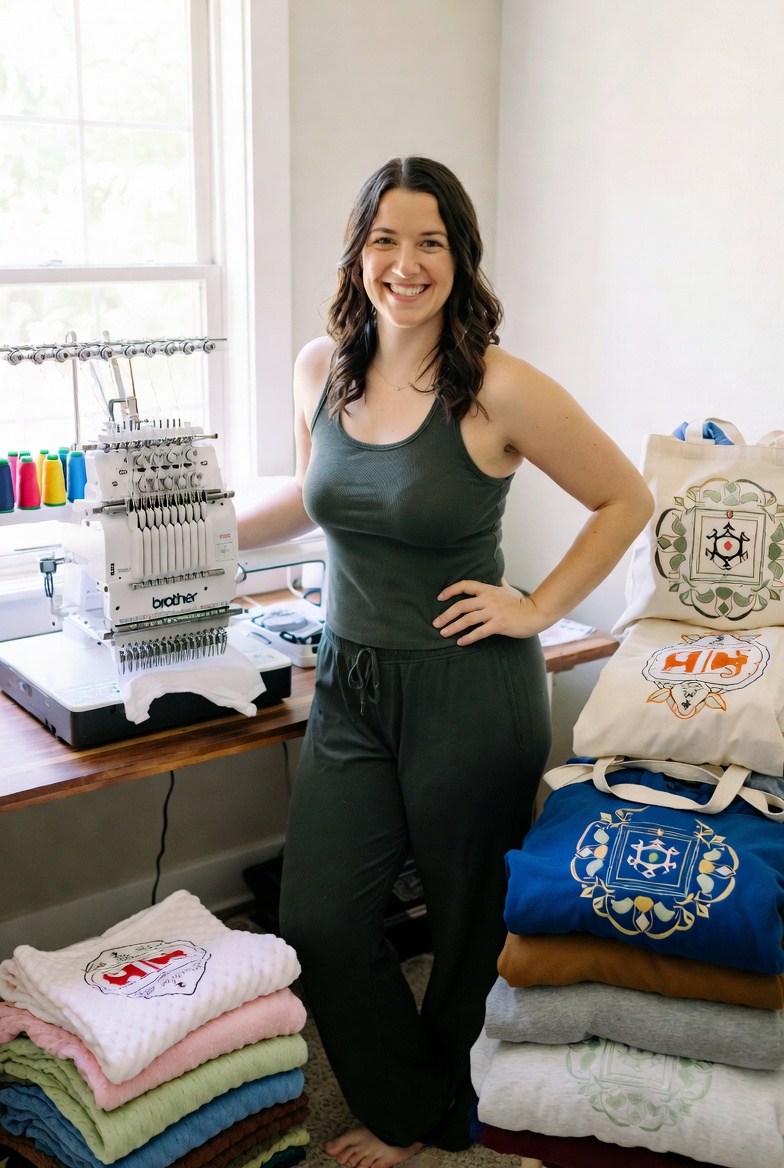
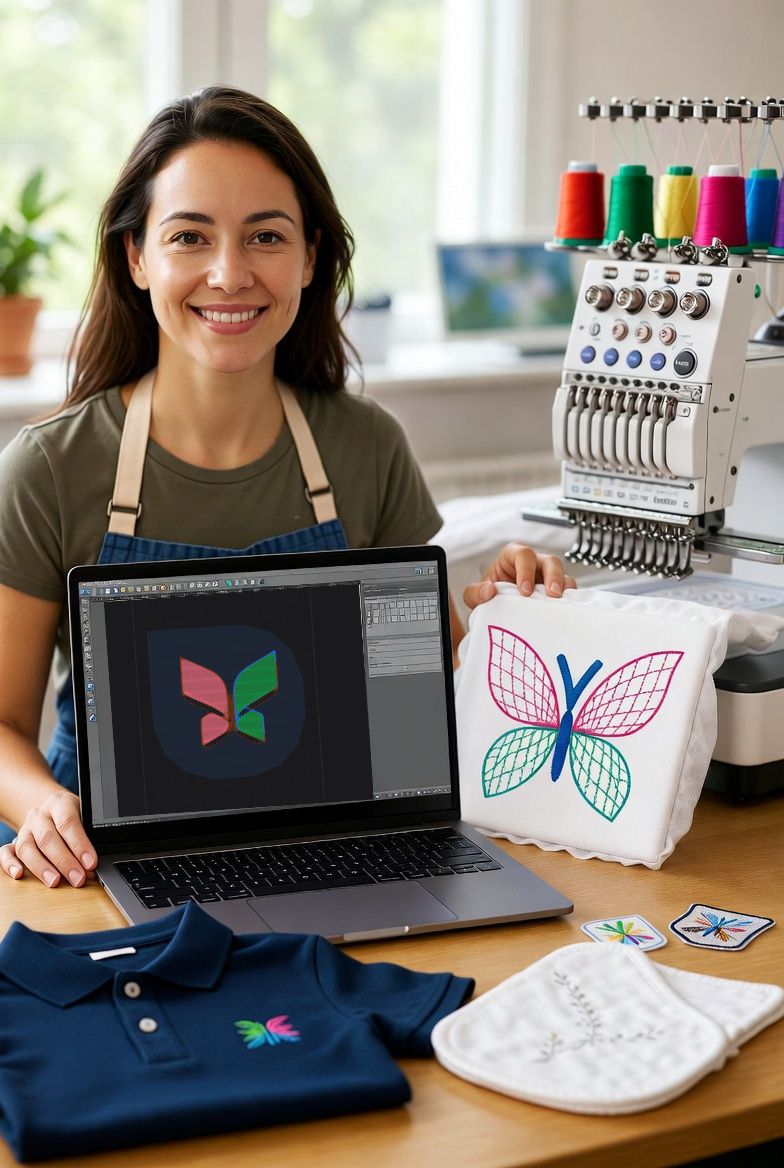
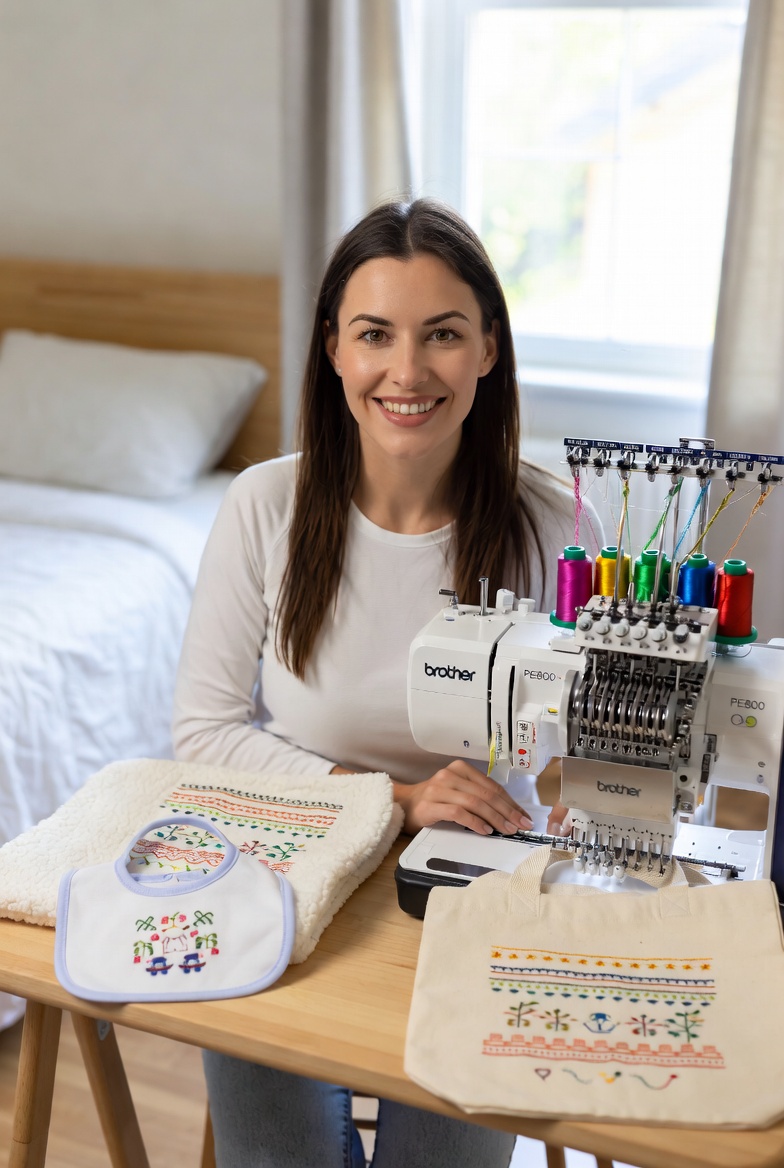
The essential startup costs for a home embroidery business are remarkably modest. A refurbished Brother PE800 or equivalent single-needle embroidery machine costs £250-400 from eBay, Facebook Marketplace, or refurbished equipment dealers. This machine has a 5x7 inch hoop, USB connectivity for loading stitch files, a colour LCD screen, and the build quality to run commercially for years. New, these machines retail for £500-700, but the used market is healthy because hobbyists frequently upgrade and sell their starter machines in excellent condition.
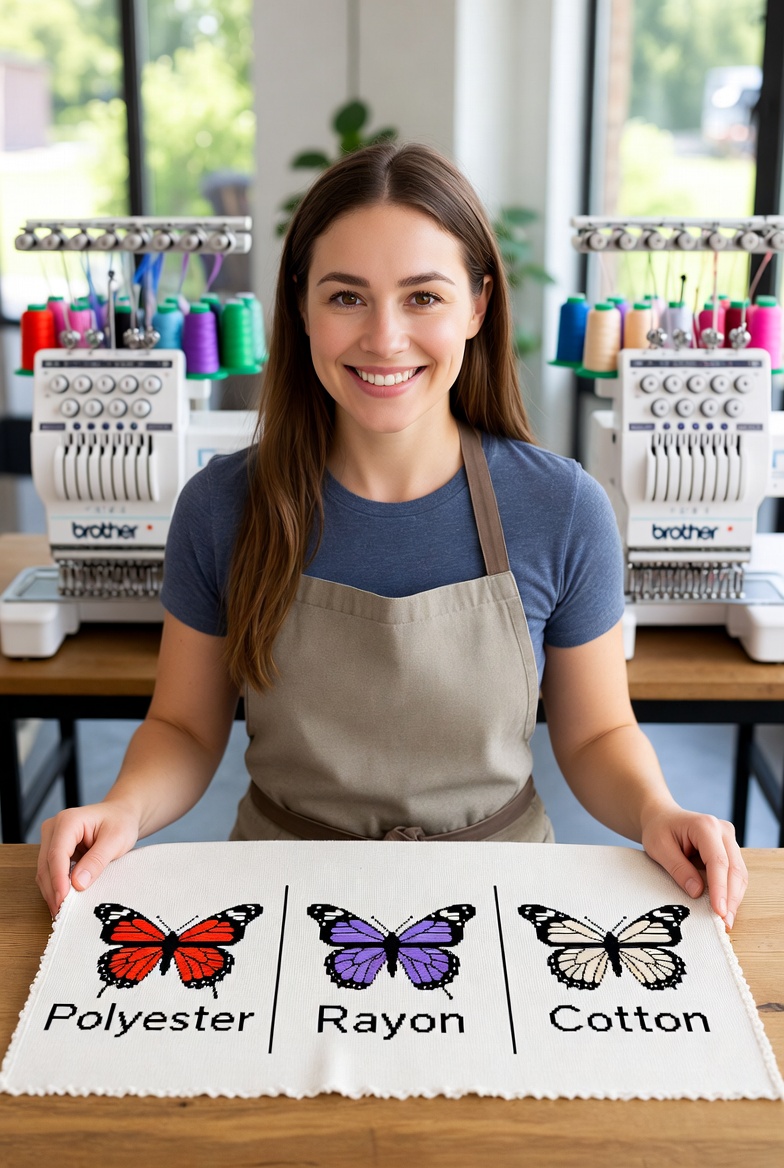
Thread starter kits (40-60 colours of polyester embroidery thread on 500m spools) cost £25-40 from Amazon or embroidery supply shops. Polyester thread is the standard for commercial embroidery — it is colourfast, strong, and produces a slight sheen that reads as professional quality. Starter stabiliser packs (assorted weights of tear-away and cut-away backing) cost approximately £15-20. Blank garments for your first samples and listings cost approximately £30-50 depending on what products you plan to sell.
StitchFast Unlimited at £29.99 per month is your digitizing solution. This eliminates the need for expensive digitizing software (Wilcom costs £4,000+, even Hatch costs £400+) and the need for outsourced digitizing services. Every design you create, every personalised order you receive, every product variation you test — all digitized instantly at a flat monthly rate. For a startup on a £500 budget, this is the single most important cost-saving tool in your arsenal.
Total startup cost: approximately £350-500, depending on the machine purchase price and how aggressively you negotiate. This is a fraction of what most business startups require and well within the range of personal savings, a small credit card purchase, or a gift from a supportive family member.
Choosing Your First Products
The products you sell in your first month should be chosen for maximum simplicity and maximum market demand. You want products where the embroidery adds clear value, the production process is straightforward, and the market demand is proven. Three product categories meet these criteria exceptionally well for new embroidery businesses.
Personalised baby gifts are the highest-demand category on Etsy for embroidered items. Baby bibs embroidered with names (£18-24), baby blankets with name and birth date (£28-40), and muslin squares with personalised text (£15-22) sell consistently year-round with peaks around spring and autumn. The designs are simple (text-based, requiring clean fonts and basic decorative elements), the blanks are inexpensive (wholesale baby bibs cost £2-3 each), and the emotional value to the buyer far exceeds the material cost.
Personalised tote bags are the second strongest category. Canvas tote bags embroidered with names, monograms, or short phrases (£16-28) are popular as gifts, teacher appreciation items, bridesmaid proposals, and everyday accessories. The blanks are cheap (£2-4 for plain canvas totes), the designs are simple, and the hoop size of a standard home machine is adequate for most tote bag embroidery.
Custom text embroidery on customer-supplied items is a service rather than a product, but it generates reliable income with zero blank garment cost. Customers send you a hoodie, jacket, or bag that they already own, and you embroider their requested text (a name, a date, a phrase) for £12-18. The customer pays for embroidery only, and your cost is thread, stabiliser, and time. The margin is exceptionally high because there is no material cost beyond consumables.
Setting Up Your Etsy Shop
Etsy is the obvious starting platform for a home embroidery business. The audience is already there (millions of buyers searching for personalised and handmade items), the listing process is straightforward, and the fees are reasonable (6.5 percent transaction fee plus payment processing). Setting up an Etsy shop takes approximately two hours and costs nothing — there is no monthly subscription for basic Etsy shops.
Your listing photographs are the most important sales tool you have. Photograph your sample products on a clean, well-lit surface — natural daylight near a window is better than artificial lighting. Show the embroidery detail in close-up shots, show the full product in use (a baby wearing the embroidered bib, a tote bag hanging on a door handle), and include a mockup showing the personalisation options. Your photographs do not need to be professional-grade, but they do need to be sharp, well-lit, and honestly representative of the product.
Pricing should cover all costs and provide a healthy margin. A useful formula for beginners: (blank cost + consumables + £1.50 for StitchFast allocation + Etsy fees) × 2.5 = minimum selling price. For a baby bib with a cost base of £5.70, this gives a minimum price of £14.25 — and most sellers find that the market supports £18-24, providing a comfortable margin that accounts for your time and the craft value of embroidery.
Your First Order: Step by Step
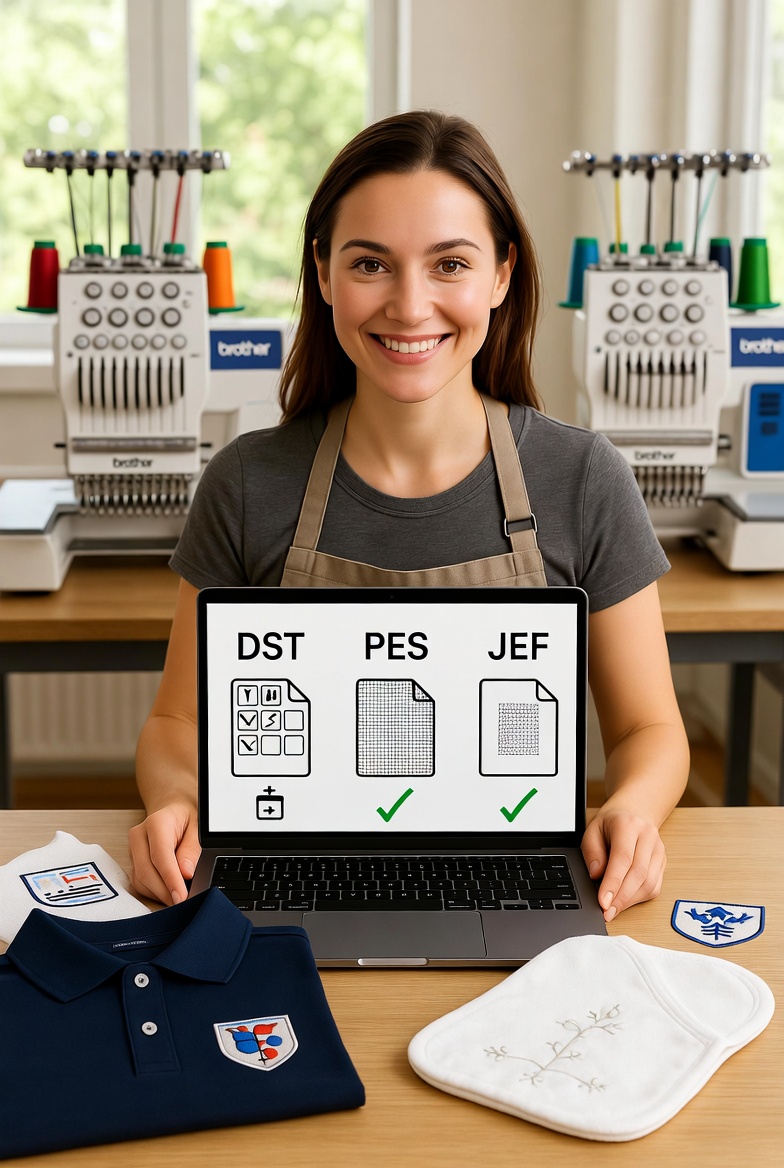
When your first order arrives (and it will, usually within the first week if your listings are well-photographed and competitively priced), the production process is straightforward. Read the customer's personalisation request. Open a simple design tool (Canva is free and excellent for creating text-based embroidery artwork). Create a clean PNG image with the customer's requested text in the font and colour they specified. Upload the PNG to StitchFast. Download the stitch file in your machine's format. Load the file onto your machine via USB. Hoop the blank garment with appropriate stabiliser. Run the machine. Trim any jump stitches, remove the stabiliser, and press the finished item. Package, photograph for your records, and ship.
Total time per order for a simple text-based design: approximately 15-25 minutes including design creation, digitizing, stitching, finishing, and packaging. At a selling price of £22 and a total cost of £8.50 (including StitchFast), the profit per order is approximately £13.50, equating to an hourly rate of £32-54 depending on production speed. This is a healthy rate that improves with practice and efficiency as you develop your workflow.
Growing Beyond the First Month
The first month is about learning the production workflow and building initial reviews on Etsy. From month two onwards, growth comes from four activities: expanding your product range (more listings attract more search traffic), optimising your listing titles and tags for Etsy search (research which keywords buyers use), reducing your dispatch time (faster dispatch improves Etsy search ranking), and encouraging reviews (a simple thank-you card asking for a review significantly increases the review rate).
Reinvest early profits into materials and equipment. Your first reinvestment should be additional thread colours (expanding from a starter kit to a comprehensive collection). Your second reinvestment should be additional blank garment types for new product lines. Your third reinvestment, typically after month three or four, should be a second embroidery machine to double your production capacity.
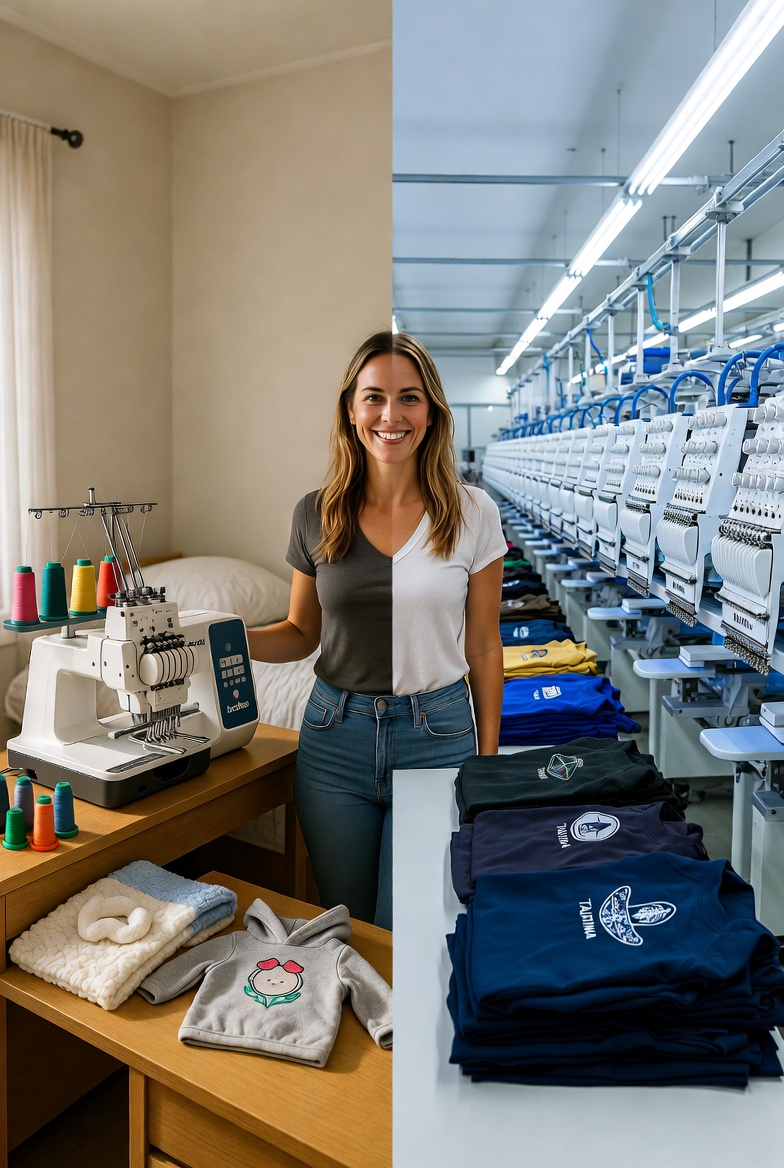
The path from £500 startup to £2,000-3,000 monthly profit typically takes three to six months for a motivated, consistent operator. The path from £3,000 monthly to £5,000+ monthly typically requires the addition of a multi-needle machine and the transition to larger product categories (corporate work, wholesale, event orders). At every stage, StitchFast's unlimited digitizing supports the growth — from your first single bib to your hundredth corporate polo shirt, the digitizing cost remains fixed and the quality remains consistent.
Starting an embroidery business from home is not a get-rich-quick scheme. It requires genuine effort, consistent production, good customer service, and the willingness to learn and adapt. But the financial barriers that once made it inaccessible have been demolished. A refurbished machine, a selection of thread, and a StitchFast subscription — that is all you need to begin. Everything else, you will learn by doing.
Home Embroidery Business FAQs
How much does it cost to start an embroidery business from home?
You can start for under £500. That budget typically covers a refurbished single-needle machine, a starter thread collection, stabilisers and blank garments, plus a StitchFast subscription for stitch files — enough to take your first paid orders.
What equipment do I need to start embroidery at home?
At minimum you need an embroidery machine (a refurbished single-needle model is fine to start), embroidery thread, stabiliser, blank garments to embroider, and a way to create stitch files. A tool like StitchFast covers the stitch files without expensive digitizing software.
Do I need digitizing software to start an embroidery business?
No. Traditional digitizing software is expensive and has a steep learning curve. StitchFast generates production-ready stitch files from an uploaded image, so you can take on custom orders from day one without buying or learning digitizing software.
What should I sell first in a home embroidery business?
Start with simple, high-demand items like personalised baby gifts, custom text apparel and small logo work. These are quick to produce, forgiving while you learn, and sell well on platforms like Etsy where personalised products attract steady search traffic.
How much can you make with a home embroidery business?
A motivated, consistent operator can typically reach £2,000–3,000 monthly profit within three to six months. Moving beyond that usually means adding a multi-needle machine and larger categories such as corporate, wholesale and event orders.