Company Profile
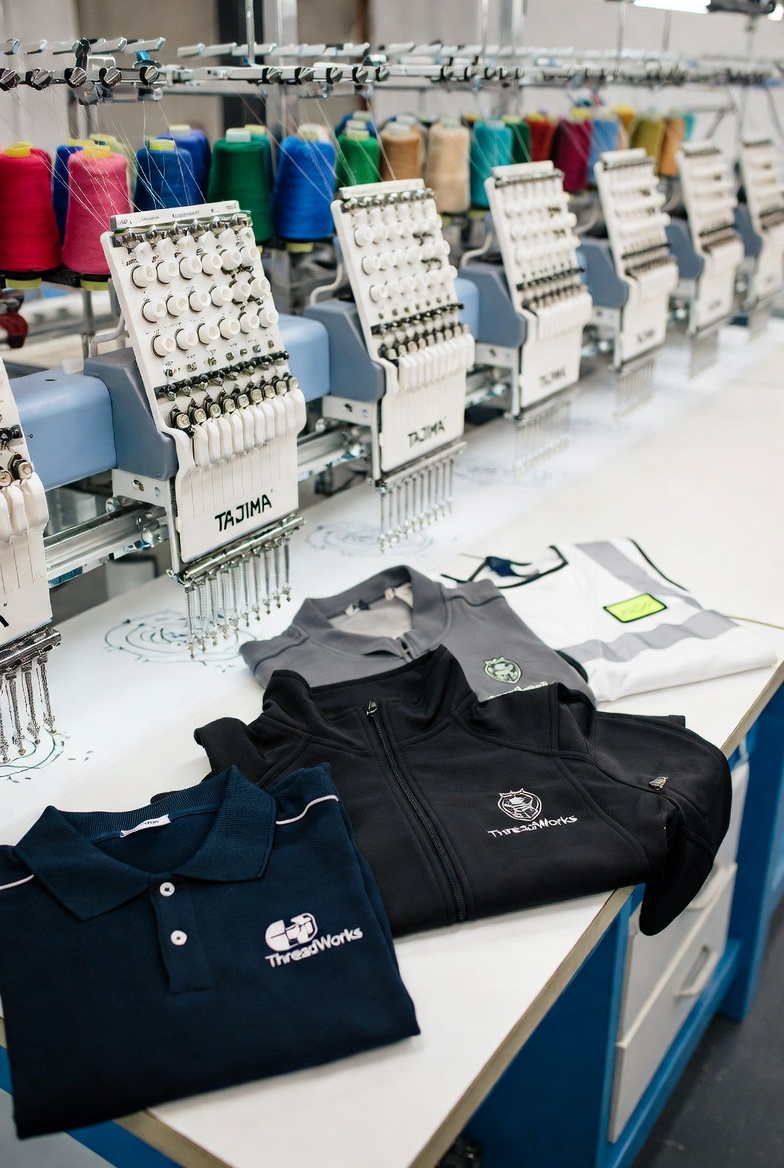
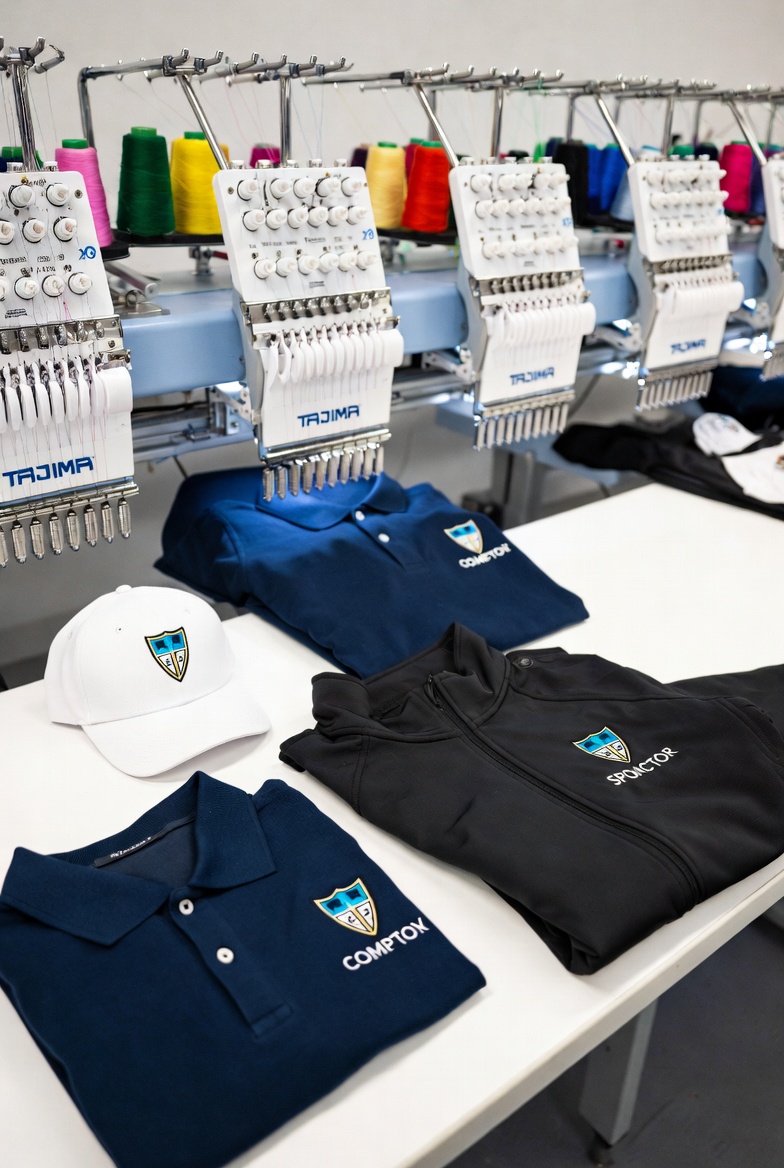
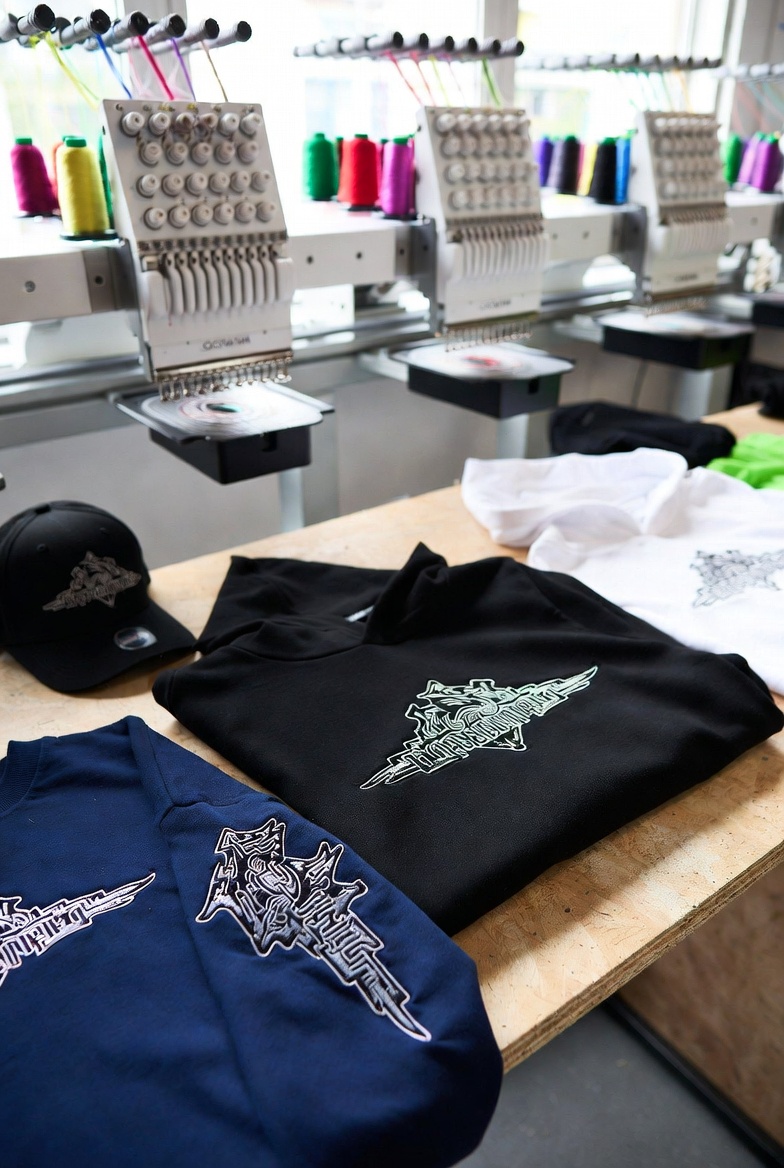
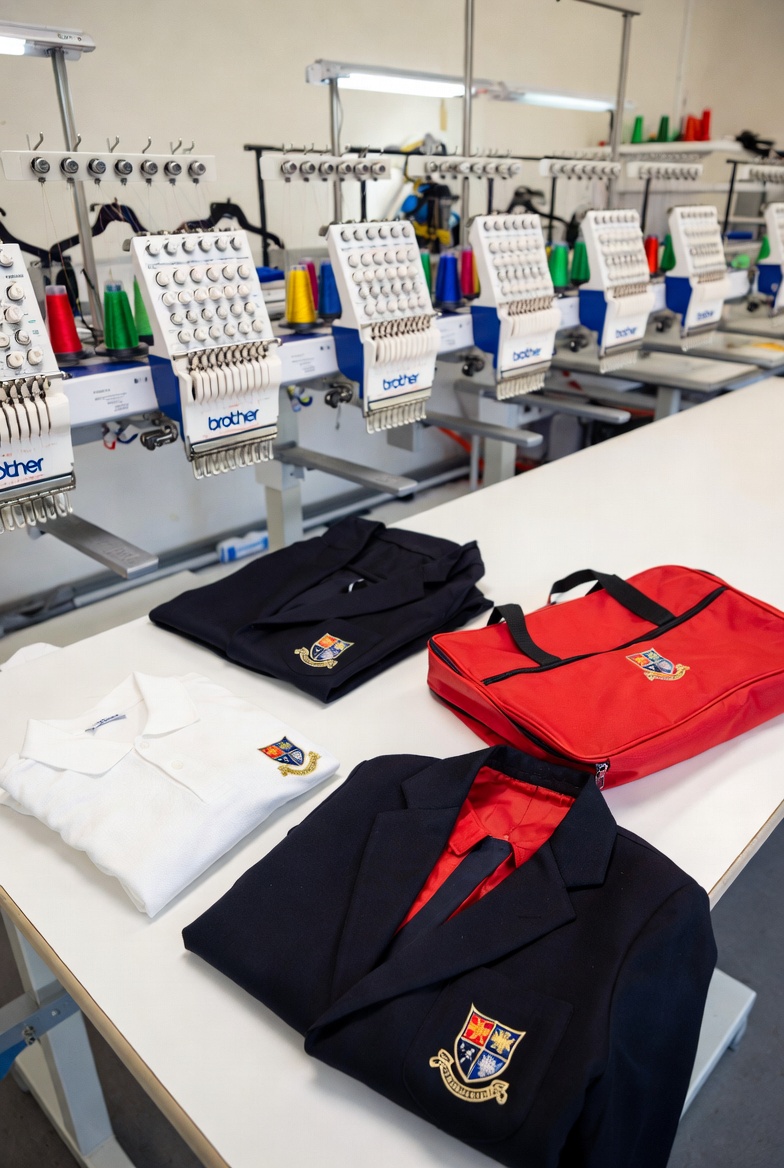
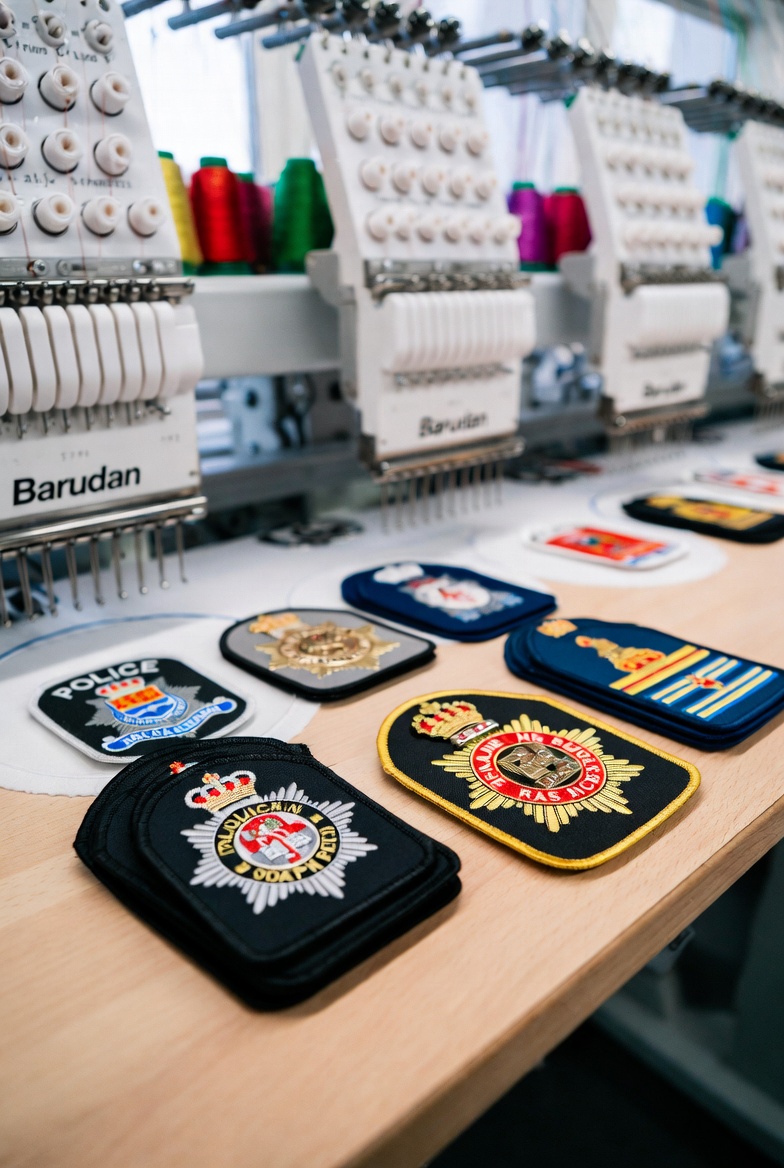
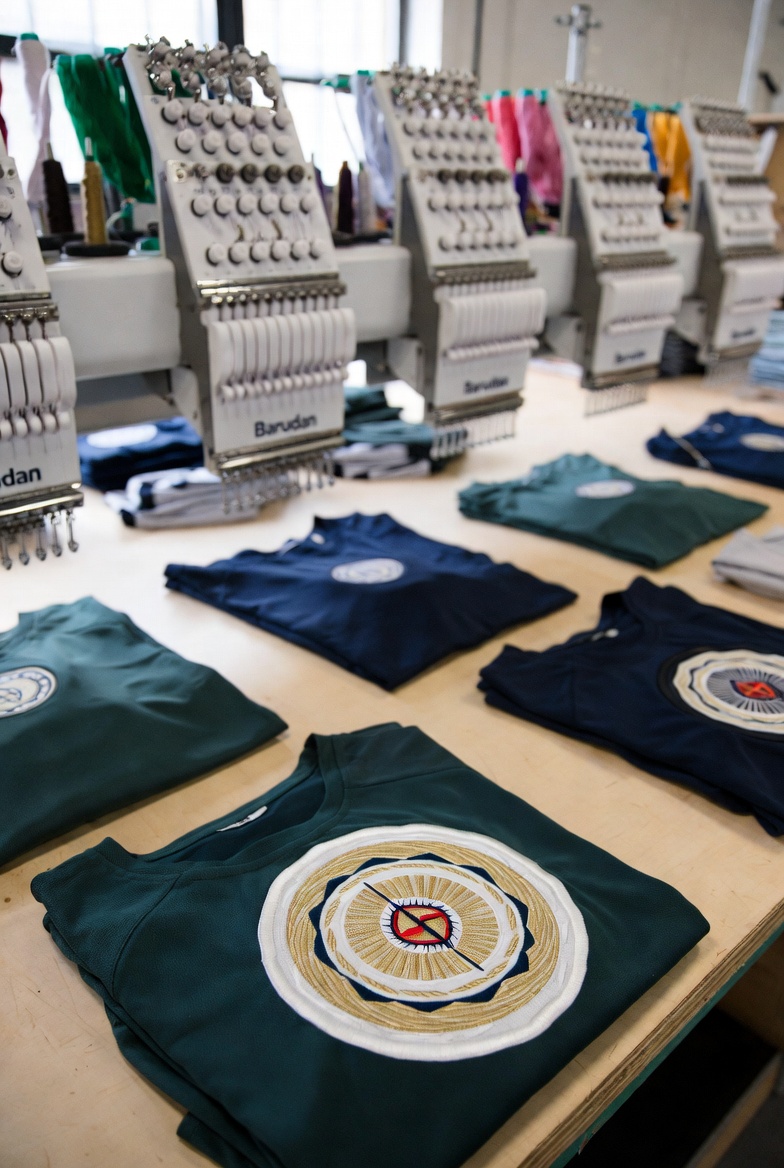
Apex Sportswear has manufactured custom team kits for amateur and semi-professional sports clubs across the North West of England since 2017. Their core product range includes embroidered training tops, match-day polos, coaching jackets, and presentation wear for football, rugby league, cricket, and netball clubs. The business operates from a 3,000 square foot production facility in Trafford Park, Manchester, running four Barudan multi-head embroidery machines alongside a sublimation printing line for match jerseys.
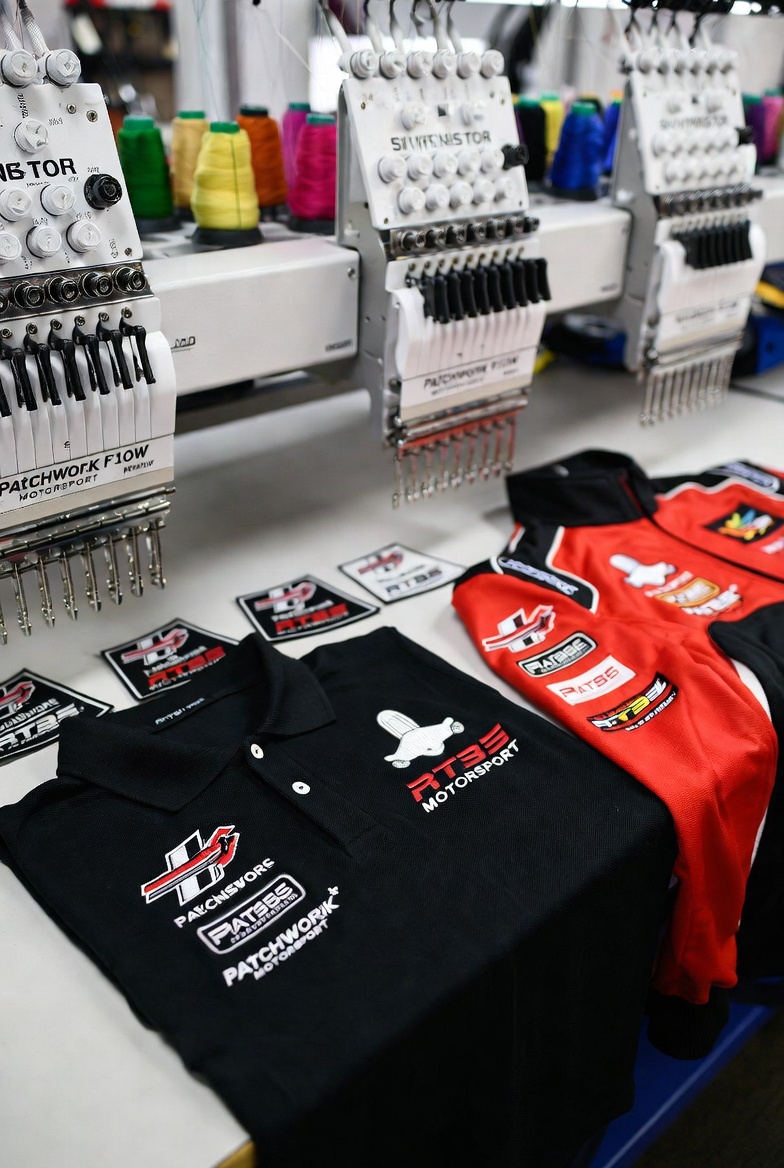
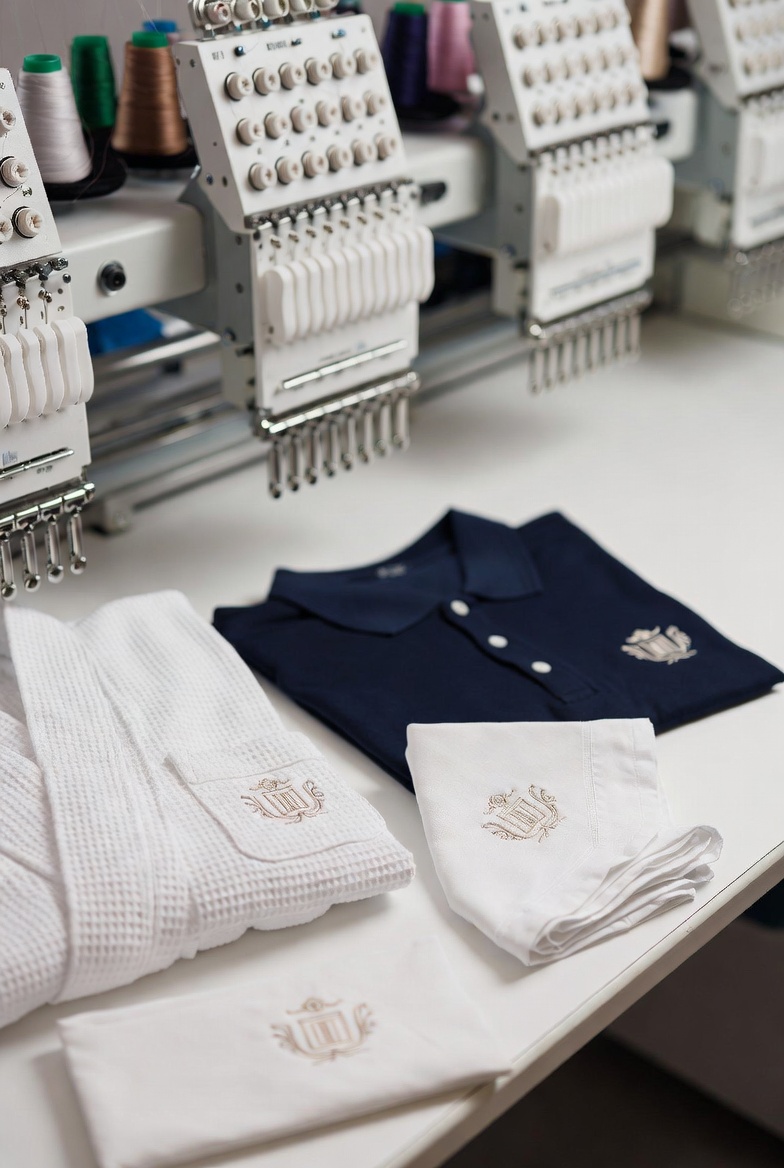
The embroidery operation is the backbone of the business. While match-day shirts are typically sublimation-printed (cheaper, faster, more colourful), all training and coaching wear carries embroidered club badges and sponsor logos. This embroidery is what elevates Apex's product above the print-only competitors offering budget kits through online marketplaces. Coaches and club committees specifically choose Apex because the embroidered finish looks professional, lasts the lifetime of the garment, and gives their club a premium identity.
The seasonality of the business creates intense production pressure. Approximately 60 percent of annual orders arrive in a concentrated window between April and August as clubs prepare for the autumn season. Every club has a unique badge, most have one or more sponsor logos, and many request additional personalisation such as player initials or numbers. Each unique design element requires a separate digitized stitch file.
The Pre-StitchFast Bottleneck
Before adopting StitchFast, Apex used a UK-based digitizing service that charged £22 per design with a 24-48 hour turnaround. For a typical club order involving a badge and two sponsor logos, the digitizing cost was £66 — manageable on a 30-piece order but painful on the 10-15 piece orders that smaller clubs typically placed. At 50 active club clients, the annual digitizing spend was approximately £8,000, and the turnaround constraint meant Apex could only onboard around five new clubs per week during the busy season.
The real problem was not cost but capacity. During the April-August rush, the digitizing queue created a cascading delay that pushed delivery dates out by weeks. A club sending their badge artwork on Monday might not have a usable stitch file until Wednesday or Thursday. By that point, production scheduling had shifted, the relevant fabric batch might have moved to a different machine, and the order slipped further back in the queue. Clubs expecting delivery before their first pre-season training session were receiving kits three or four weeks late, generating complaints and damaging Apex's reputation in a market that runs almost entirely on word-of-mouth recommendations between club committees.
The capacity ceiling was brutal. At 50 clubs per season, Apex was barely profitable. The Barudan machines had capacity for triple the volume, but the digitizing bottleneck meant those machines sat idle for hours each week while the team waited for stitch files to arrive. It was the embroidery equivalent of having a motorway with a single-lane entry slip road — the road itself could handle the traffic, but nothing could get onto it fast enough.
Adopting StitchFast
Apex's owner, Marcus Williams, evaluated StitchFast in February 2025 after reading about it in a trade publication. His primary concern was whether AI-generated stitch files would hold up to the demands of commercial multi-head production. Home embroidery machines are relatively forgiving — they run slowly and stop automatically at the first sign of trouble. Commercial Barudan machines run at 1,200 stitches per minute across multiple heads simultaneously, and a poorly digitized file that causes a thread break on one head can cascade into a shutdown across all four heads on that machine, wasting time and materials at industrial scale.
Marcus ran a rigorous week-long trial using 40 club badges that represented the full spectrum of complexity in his client base. Simple text-and-circle football badges, intricate cricket club crests with detailed heraldic elements, rugby league badges with gradients and 3D effects, and netball club logos featuring fine script fonts. Every file was test-run on his Barudan machines at full production speed, on production-grade polyester training tops, using standard 80g tearaway backing.
The results exceeded expectations. Of 40 designs, 38 produced flawless first-run output at full speed across all four heads. The two that required minor adjustments were both extremely detailed cricket crests where column satin stitching on sub-4mm lettering needed slight density modification — a quick edit that took the operator under three minutes each. No thread breaks attributable to pathing errors. No registration issues. No bird-nesting. The DST files loaded cleanly, colour stops were correctly positioned, and jump stitch trimming worked properly on every single file.
Season One with StitchFast: 300 Clubs
Apex signed up for StitchFast Unlimited and immediately restructured their production workflow for the 2025-26 season. The change was transformational. Instead of batching digitizing requests and waiting days for files to return, the production team now digitized incoming artwork on the spot. A club emailing their badge at 8am had a test swatch stitched by 9am and a full production run scheduled for the same day.
The effect on capacity was immediate and dramatic. With the digitizing bottleneck eliminated, the only constraint on throughput was machine hours and operator availability — and the four Barudan machines had plenty of both. Apex onboarded 180 new club clients in the first season with StitchFast, taking their total from 50 to 230. By the second season, they had reached 300 active clubs, with the limitation now being sales and onboarding capacity rather than production.
Production scheduling transformed from a reactive firefight into a planned, predictable process. The production manager could see incoming orders, digitize the stitch files immediately, and schedule production runs with confidence that no external dependency would cause delays. Average order-to-dispatch time dropped from 14 working days to 5 working days, and during the peak August rush, Apex maintained a 7-day turnaround that outperformed every competitor in their market.
Quality Metrics at Scale
After processing over 1,200 unique designs through StitchFast across two seasons, Apex tracks a 98.4 percent first-run pass rate — meaning the file stitches correctly at full production speed without any modifications. The 1.6 percent requiring adjustment are almost exclusively ultra-fine detail elements below 3mm height, which push against the physical limitations of embroidery thread regardless of how the file was digitized.
Thread consumption per design has decreased by approximately 8 percent compared to the files previously supplied by their human digitizer. Marcus attributes this to StitchFast's more efficient stitch pathing, which reduces unnecessary travel stitches between colour regions and produces shorter jump stitches that trim more cleanly. Across 300 clubs and thousands of garments per season, an 8 percent thread saving represents a meaningful reduction in consumable costs.
Garment rejection rates (garments scrapped due to embroidery defects) dropped from 3.2 percent to 1.1 percent. The consistency of AI-generated files means that once a badge stitches cleanly on the first garment, it will stitch cleanly on every subsequent garment in the run without the variation that occasionally appeared with manually digitized files where small inconsistencies in underlay or compensation settings would manifest unpredictably on different fabric batches.
Financial Transformation
The financial impact extends well beyond the obvious digitizing cost saving. Annual digitizing spend dropped from £8,000 to £360 (the Unlimited plan), a saving of approximately £7,640. But the revenue impact of six-fold capacity expansion dwarfs this saving. Apex's annual revenue grew from approximately £180,000 at 50 clubs to over £750,000 at 300 clubs, with the incremental production almost entirely enabled by the elimination of the digitizing bottleneck.
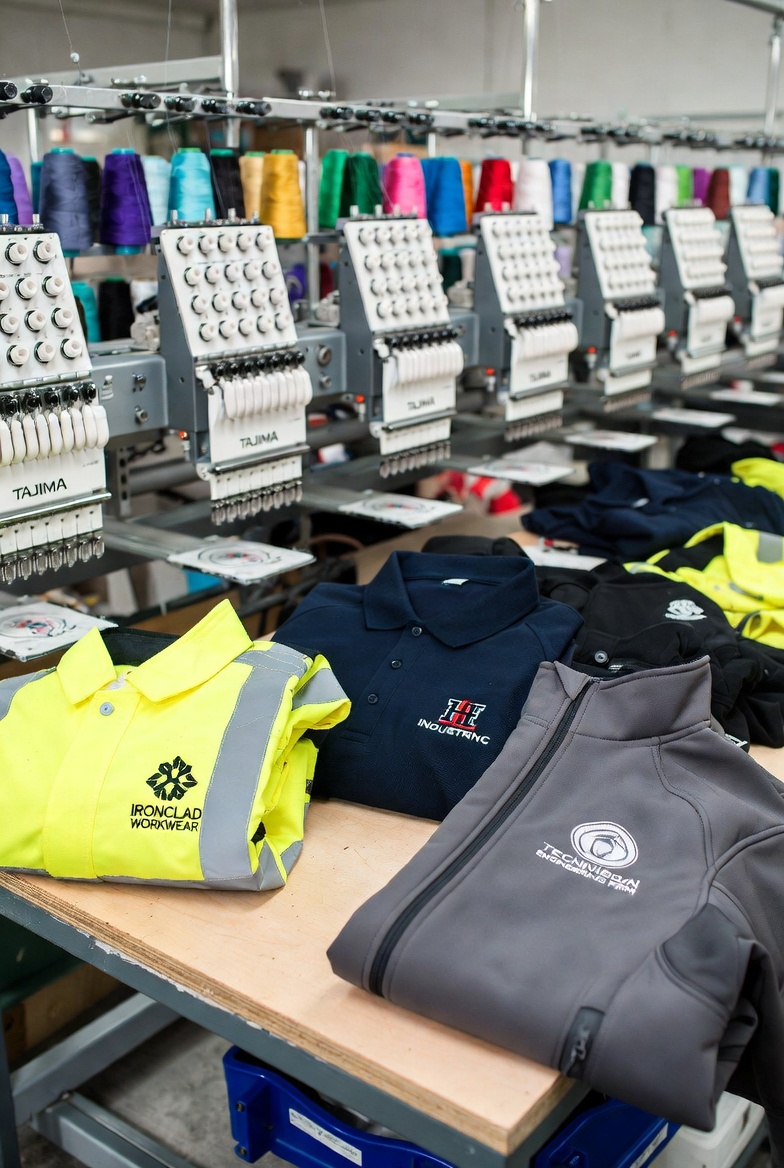
The business has since hired two additional machine operators, extended operating hours to a full two-shift pattern, and invested in a fifth Barudan machine. Marcus is now exploring entry into the corporate workwear market — a segment he previously avoided because the per-order digitizing cost made small corporate accounts unprofitable. With StitchFast Unlimited, even a single-shirt corporate order can be profitably fulfilled.
Grey bars show the figure before StitchFast; green bars show after.
Summary
For Apex Sportswear, StitchFast was not simply a cost-saving tool — it was the key that unlocked six times the production capacity that their existing equipment and team were capable of delivering. The machines were always there. The operators were always skilled enough. What was missing was a way to feed those machines with production-ready stitch files fast enough to keep them running at capacity. StitchFast solved that problem completely, and the business has grown accordingly.
Machine Compatibility and Multi-Head Production
A critical aspect of Apex's evaluation was how StitchFast files performed on commercial multi-head embroidery machines. The Barudan machines in Apex's facility run four heads simultaneously — meaning four identical garments are stitched at the same time from the same stitch file. Any inconsistency in the file — a stitch length that is marginal, a jump that is slightly too long, or a colour stop that is ambiguously positioned — will manifest differently across the four heads, causing some heads to produce perfect output while others experience thread breaks or registration errors.
StitchFast's DST files proved exceptionally clean on multi-head production. The maximum stitch length in every file tested was well within the Barudan machines' specification limits. Jump stitches between colour regions were consistently short and positioned at logical points where trim commands could execute cleanly across all heads simultaneously. Colour stops were unambiguous, with no instances of the "phantom stop" problem that occasionally occurs with poorly encoded DST files where a colour change command is interpreted differently by different machine heads.
The consistency of multi-head output translated directly to production efficiency. Apex measures production in "garments per hour per head" and tracks stoppages per 1,000 garments. Before StitchFast, the stoppage rate for new designs (first production run of a newly digitized badge) was 12.3 per 1,000 garments. With StitchFast files, the first-run stoppage rate dropped to 4.7 per 1,000 — a 62 percent reduction that saved significant operator intervention time and eliminated the cost of garments wasted during stoppages.
Seasonal Demand Management
The sports kit industry's seasonal demand pattern creates extreme operational pressure. During the April-August peak, Apex receives five to eight times the weekly order volume compared to the November-February quiet period. Managing this swing requires careful planning of staffing, raw material ordering, machine maintenance scheduling, and production capacity allocation. Any bottleneck in the production chain during peak season has a multiplied impact because there is no slack in the system to absorb delays.
Before StitchFast, the digitizing bottleneck was the primary constraint during peak season. New club onboarding — which occurs primarily during the April-June window as clubs finalise their kit plans for the coming season — generated a surge of digitizing requests that overwhelmed the bureau's capacity. The bureau's turnaround extended from 24 hours to 72 or more, and the cascade effect delayed production scheduling, pushed dispatch dates out by weeks, and generated a wave of customer complaints that damaged Apex's reputation precisely when word-of-mouth recommendations were most active.
With StitchFast eliminating the digitizing bottleneck, the seasonal constraint shifted to machine hours — a much more manageable constraint because it can be addressed through shift patterns and staffing. Apex now operates a two-shift pattern during peak season (6am-2pm and 2pm-10pm), which doubles their machine capacity without any capital investment. The predictability of production scheduling has also improved raw material ordering efficiency, reducing both stockout incidents and excess inventory carrying costs.
Client Retention and Referral Growth
The transformation in delivery speed had a direct impact on client retention. In the sports kit market, clubs typically review their kit supplier annually, with the decision heavily influenced by the experience of the most recent ordering cycle. Clubs that received their kits on time and to specification are likely to reorder; clubs that experienced delays or quality issues will actively seek alternatives. Before StitchFast, Apex's client retention rate was approximately 78 percent. After one full season with StitchFast, retention rose to 91 percent — a significant improvement in a market where acquiring a new client costs approximately three times as much as retaining an existing one.
Referral business has grown substantially as well. The sports club community is tight-knit — committee members know their counterparts at rival clubs, coaches share contacts across leagues, and satisfaction or dissatisfaction with a kit supplier spreads rapidly through networks. Apex now receives approximately 40 percent of new client enquiries through referrals from existing clients, up from 22 percent before the StitchFast adoption. Marcus attributes this almost entirely to the speed and reliability improvements — clubs recommending Apex specifically mention the rapid turnaround and consistent quality.
The financial impact of improved retention and referral rates compounds over time. Each retained client represents approximately £2,400 in annual revenue that does not need to be replaced through new client acquisition. Each referral represents a new client acquired at effectively zero marketing cost. Together, these improvements have reduced Apex's customer acquisition cost by approximately 35 percent while simultaneously growing the client base from 50 to 300 teams.
Product Development and Sampling
StitchFast has also accelerated Apex's product development process. When evaluating new garment types for the range — a new style of training top, a different fabric weight for coaching jackets, or a new accessory like embroidered caps or scarves — the sampling process requires stitching test badges on the new material to verify that the embroidery quality meets standards. Previously, this sampling required generating new stitch files specifically calibrated for the new fabric, which added days to the evaluation process and discouraged experimentation with new products.
With StitchFast, Marcus can generate test files for new fabrics in minutes, stitch samples the same day, and make rapid go/no-go decisions on new product additions. This speed has enabled Apex to expand their product range from the original four garment types to eleven — adding items like embroidered bobble hats, neck warmers, kit bags, and rain jackets that were previously considered too time-consuming to introduce due to the sampling digitizing requirement. Each new product line generates incremental revenue with minimal overhead, and the diverse range strengthens Apex's competitive position against single-product competitors.
The sampling capability has also improved the quality of fabric purchasing decisions. Marcus now routinely requests samples from three or four fabric suppliers, stitches test badges on each using StitchFast-generated files, and selects the fabric that produces the best embroidery result. This evidence-based approach to fabric selection has improved the overall quality of Apex's finished products and reduced the incidence of fabric-related production issues (puckering, thread pull-through, or unstable hooping) that occasionally occurred when fabric choices were made without embroidery testing.
Data-Driven Production Optimisation
Marcus has implemented a data-driven approach to production optimisation that leverages the consistency of StitchFast files. Because every badge file is generated by the same AI algorithm, the production characteristics of each file are predictable — stitch count, colour change count, estimated run time, and thread consumption can all be calculated accurately from the file parameters before production begins. Marcus uses this data to optimise machine scheduling, grouping badges with similar run times and colour counts onto the same production run to minimise machine setup changes and maximise throughput.
This data-driven scheduling was impractical with outsourced digitizing because each file's production characteristics were unpredictable — a badge that looked simple might have been digitized with unexpectedly high density, while a complex-looking badge might have been digitized efficiently. The inconsistency made accurate production planning difficult and forced operators to adopt conservative scheduling buffers that reduced effective capacity. StitchFast's consistency eliminates this uncertainty, allowing Marcus to schedule production with confidence and squeeze maximum output from every machine hour.
The production data also informs commercial decisions. Marcus can now accurately calculate the true production cost of each badge — including machine time, thread consumption, operator labour, and garment cost — with precision that was impossible when digitizing quality was variable. This cost transparency enables more accurate pricing, more targeted discounting for volume orders, and better identification of unprofitable accounts where the badge complexity creates disproportionate production costs. The result is improved margin management across the entire 300-club client portfolio.