Company Background
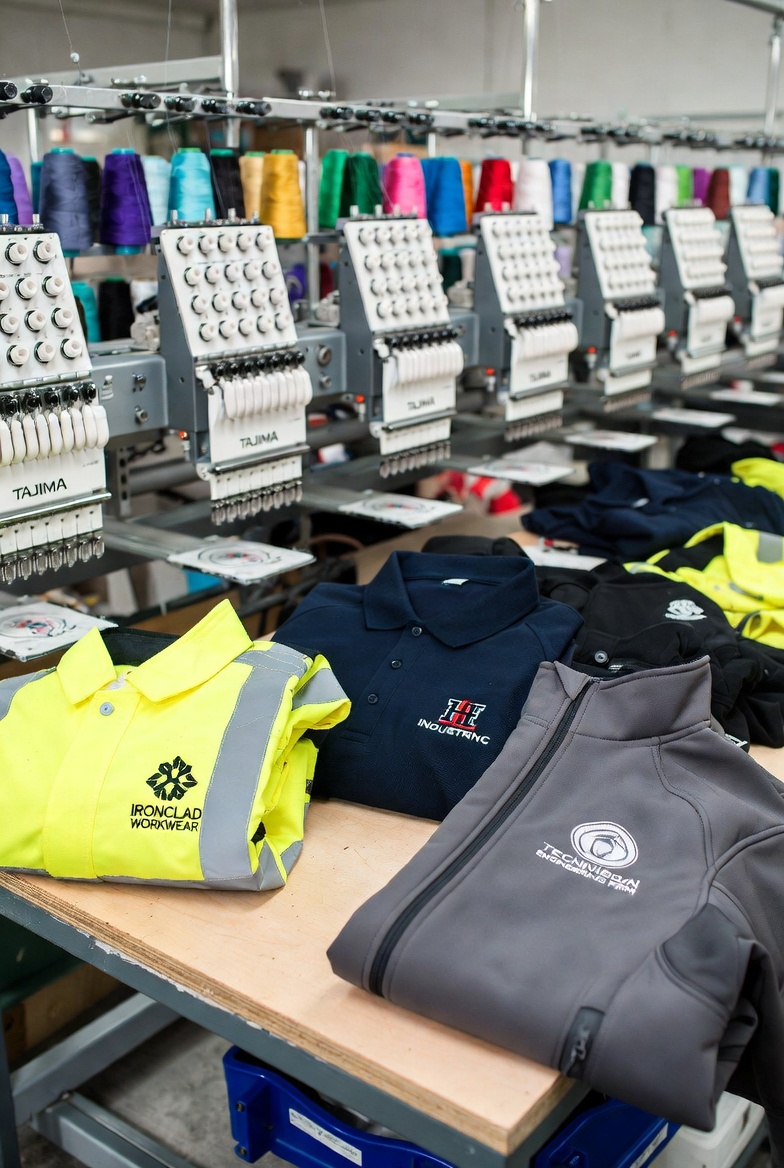
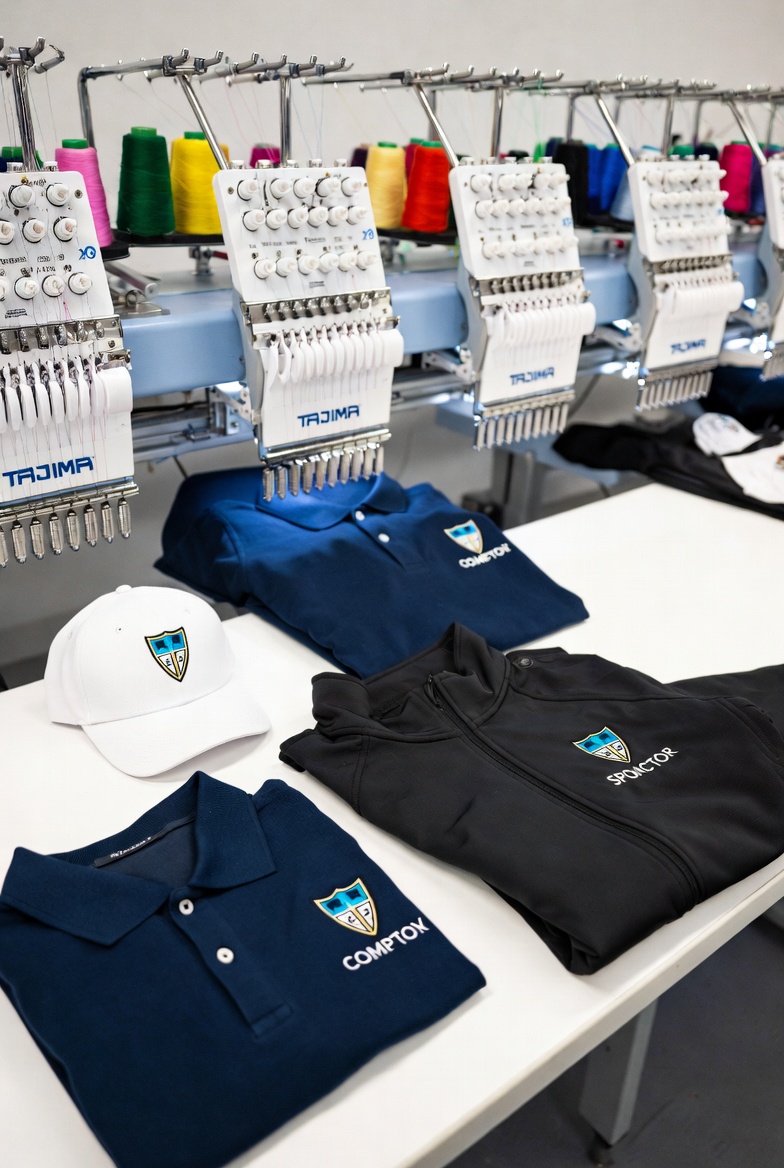
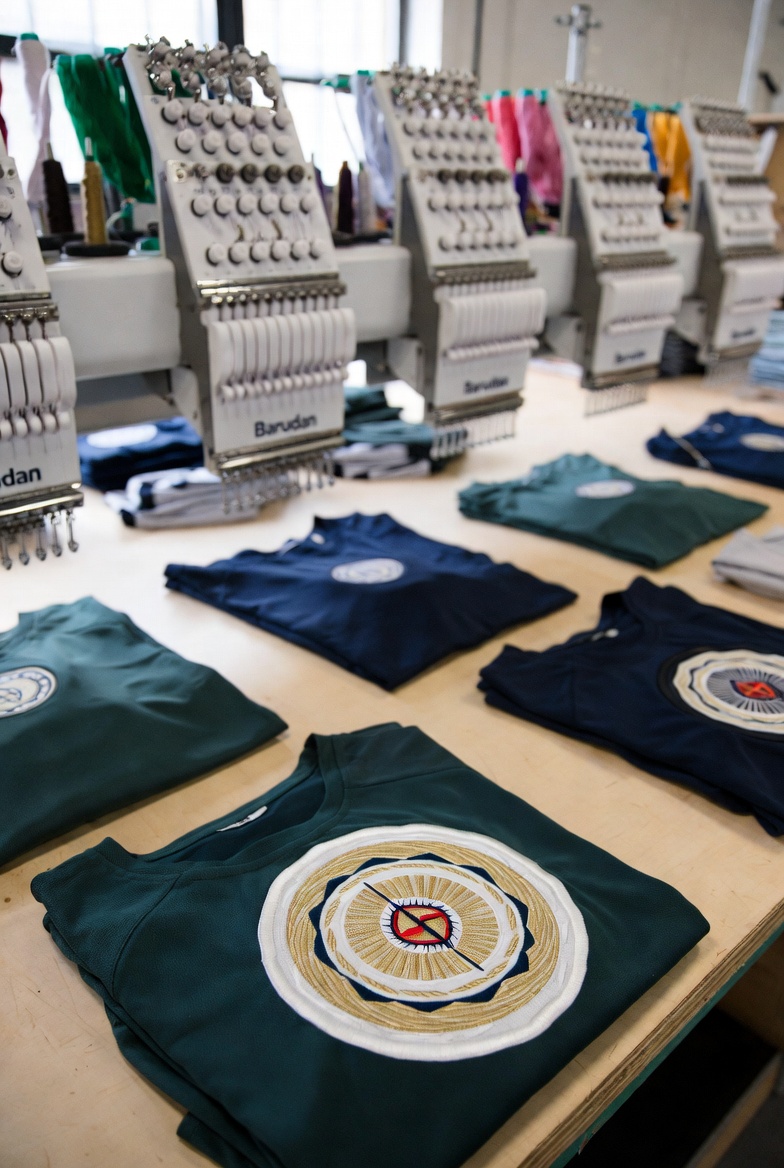
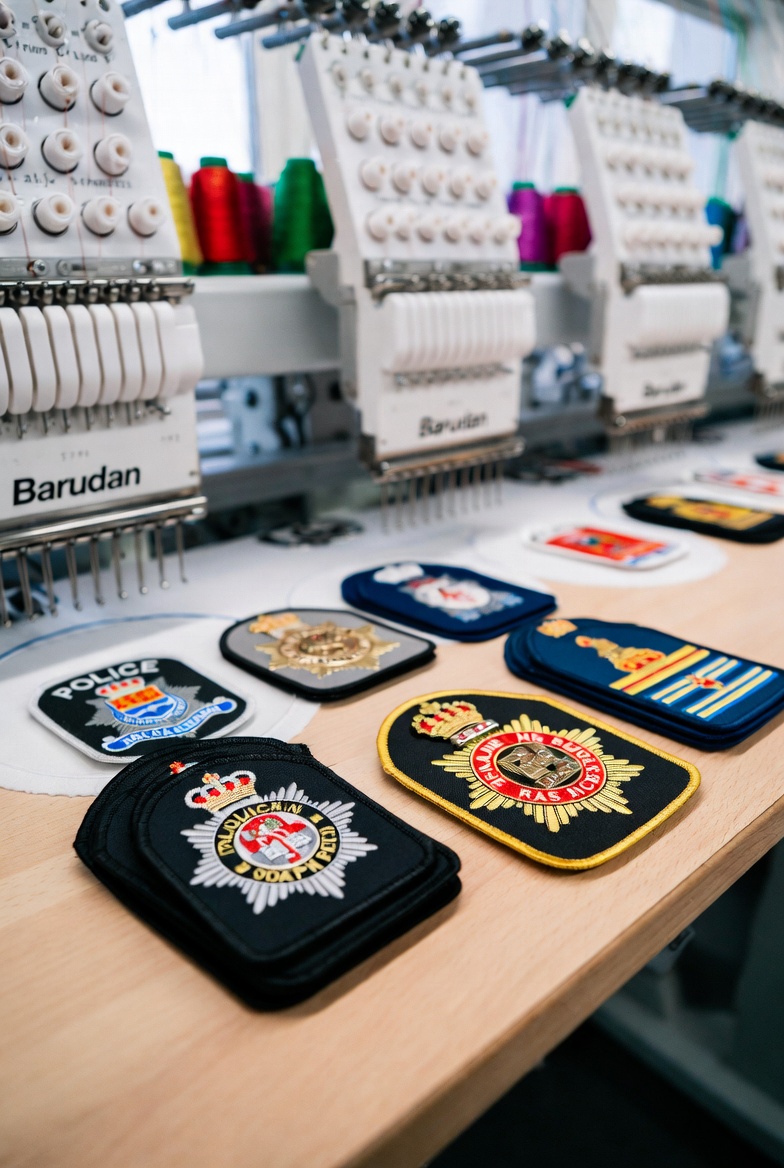
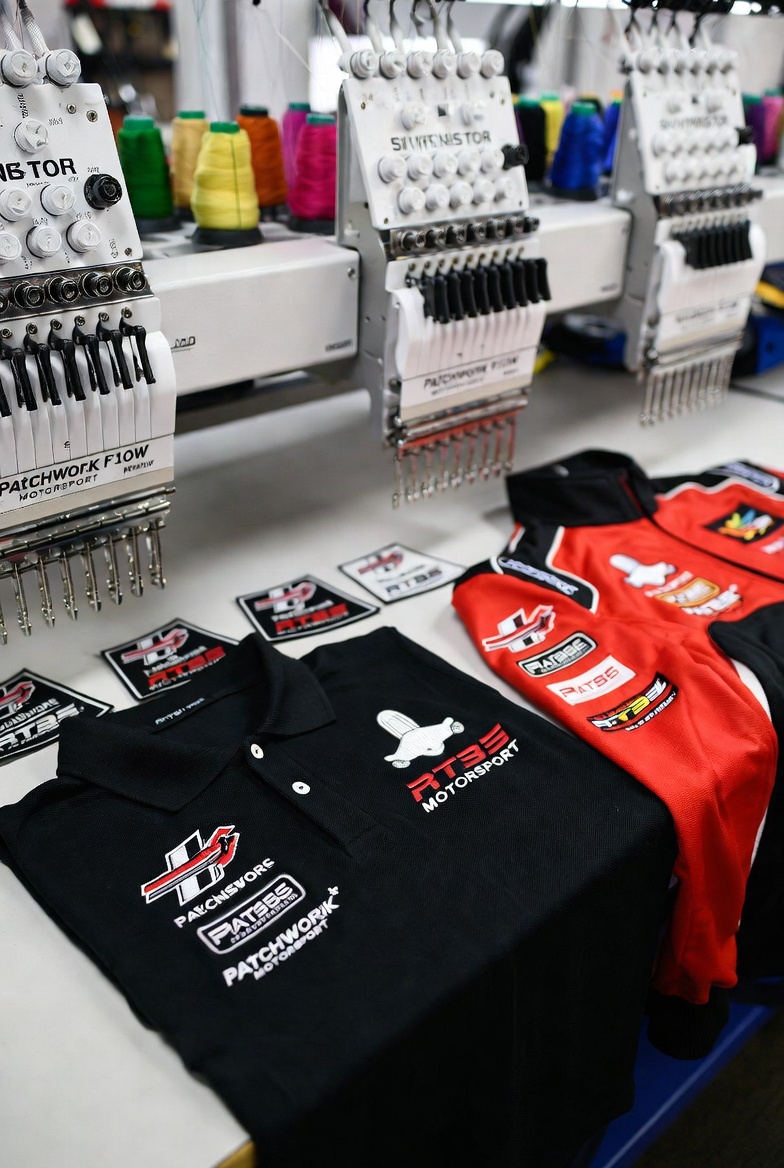
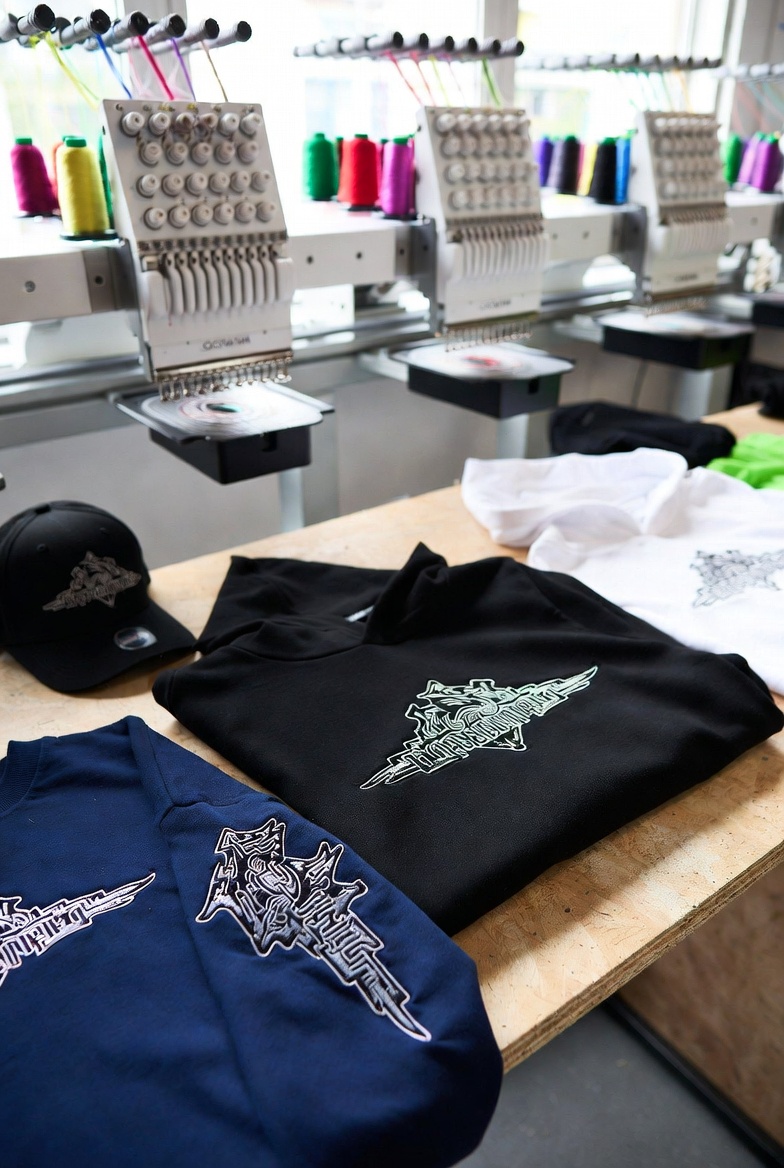
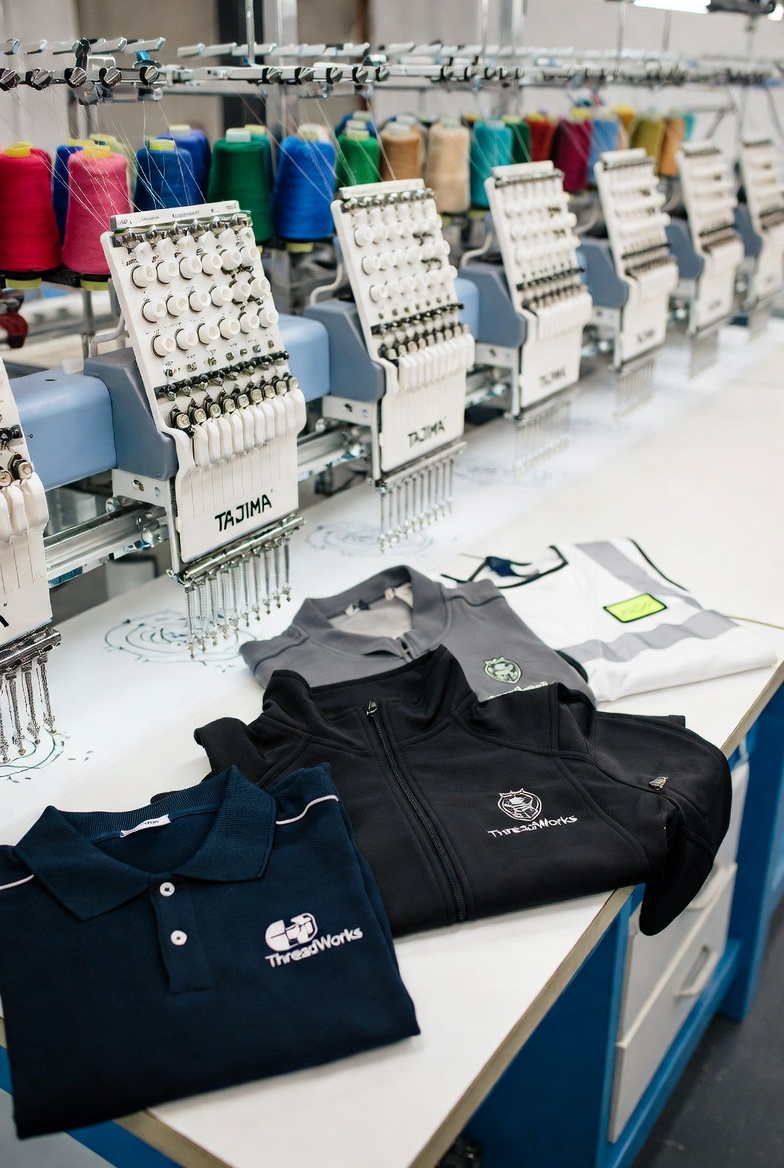
ThreadWorks Uniforms has been supplying embroidered corporate workwear across the West Midlands since 2014. The company serves over 200 active business clients ranging from small independent cafés needing a handful of branded polo shirts through to national logistics firms ordering thousands of embroidered jackets, hi-vis vests, and fleeces every quarter. Their warehouse in Birmingham houses six Tajima commercial embroidery machines running twelve hours a day at peak capacity, staffed by a team of nine including two full-time machine operators.
The business model is straightforward — a client sends their company logo, ThreadWorks embroiders it onto garments, and dispatches the finished products. The challenge has always been the step between receiving that logo and loading a stitch file into the machine. Every single logo needs to be professionally digitized before a needle touches fabric, and for a company handling hundreds of different client logos per year, this represents a massive recurring cost and a bottleneck in the production pipeline.
The Challenge: Rising Digitizing Costs and Slow Turnaround
Before discovering StitchFast, ThreadWorks relied on a combination of freelance digitizers sourced through embroidery forums and a small outsourced digitizing bureau based overseas. The per-design cost averaged £25 for a standard corporate logo, rising to £35 or more for complex multi-colour designs with fine detail or gradient effects. At 800 or more new logos digitized per year, the annual spend on digitizing alone exceeded £20,000 — a significant overhead that cut deeply into margins on smaller orders where the client might only want ten or twenty garments.
Turnaround was equally problematic. The overseas digitizing bureau quoted 24-hour turnaround but frequently delivered in 48 hours or longer, particularly during busy periods around September when schools and corporates placed their autumn uniform orders simultaneously. Freelance digitizers were faster on occasion but inconsistent in quality — ThreadWorks found themselves rejecting roughly one in five files due to poor stitch pathing, incorrect pull compensation, or thread colour mismatches that would produce visible gaps or puckering on the finished garment.
The quality control loop was painful. A rejected file meant another round of communication with the digitizer, another day waiting for revisions, and meanwhile the client's order sat in limbo. Production scheduling became reactive rather than planned, and the two machine operators spent an increasing amount of their time test-stitching files on scrap fabric rather than running actual production.
Discovering StitchFast
ThreadWorks' production manager, Sarah Chen, discovered StitchFast through a recommendation in an embroidery industry Facebook group in early 2025. The initial reaction was scepticism — the idea that AI could replace a skilled digitizer seemed far-fetched, particularly for the kind of corporate logos that require precise stitch angles, clean column lettering, and consistent fill densities across multiple garment types and fabric weights.
Sarah decided to run a controlled test. She selected twenty corporate logos from their existing client database — a mix of simple text-only designs, medium-complexity logos with icons and text, and complex multi-colour badges — and ran each one through StitchFast while simultaneously sending the same batch to their usual outsourced bureau. The plan was to compare the outputs stitch-for-stitch on the same Tajima machines using identical fabric, thread, and backing.
The Test Results
The results surprised the entire team. Of the twenty designs, seventeen StitchFast outputs were rated equal or superior to the bureau's files by both machine operators in a blind test. The AI handled pull compensation correctly on all twenty designs — something the bureau managed on only fifteen. Column satin stitching for text was clean and consistent across all font sizes. Underlay stitching was appropriate for the fill density in every case, and the Madeira thread colour matching was accurate enough that operators did not need to manually override colour stops on any of the files.
The three designs where the bureau marginally outperformed StitchFast were all complex multi-colour badges with overlapping gradient regions — the kind of edge-case work that represents less than five percent of ThreadWorks' typical order volume. Even on those three, the StitchFast output was production-usable without modification; it simply used a slightly different stitch strategy for the gradient transitions.
More striking than the quality comparison was the time comparison. The bureau returned the batch in 52 hours. StitchFast generated all twenty files in under two hours total, including the time Sarah spent uploading images and downloading the DST outputs. Per-design turnaround averaged five minutes and twelve seconds.
Implementation and Workflow Changes
ThreadWorks moved to StitchFast's Unlimited plan at £29.99 per month within a week of the test. The immediate impact was dramatic. New client onboarding — previously delayed by the digitizing bottleneck — became same-day. A client could email their logo at 9am and have a test swatch stitched on sample fabric by 10am. The speed advantage transformed the sales process, allowing ThreadWorks to offer same-day proofing as a standard service rather than a premium add-on.
The production workflow simplified considerably. Machine operators no longer needed to test-stitch every new design on scrap fabric as a quality check. After three months of consistently clean StitchFast outputs, they moved to a spot-check system — test-stitching one in ten new designs rather than every single one. This freed up approximately six hours of machine time per week, equivalent to an additional 150 garments worth of production capacity.
Sarah built a simple internal process: incoming logos are uploaded to StitchFast immediately upon receipt, the DST file is downloaded and stored in the production queue folder, and the machine operators pull files directly as they load garments. The entire digitizing step — previously a multi-day dependency involving external contractors — collapsed into a five-minute task handled by the admin team.
Financial Impact
The numbers tell the story clearly. ThreadWorks' annual digitizing spend dropped from over £20,000 to approximately £360 per year (twelve months of the Unlimited plan). Even accounting for the handful of complex designs per year that still require manual digitizing by a specialist, the total annual cost sits below £1,500 — a reduction of over 74 percent.
The cost saving was significant, but the revenue impact of faster turnaround proved even more valuable. ThreadWorks estimates that same-day proofing helped them win an additional 35 to 40 new client accounts in the first year of using StitchFast — clients who chose ThreadWorks over competitors specifically because of the rapid turnaround promise. At an average lifetime value of £1,200 per corporate client, this represents roughly £42,000 to £48,000 in additional revenue directly attributable to the speed advantage.
Quality at Scale
After twelve months of full adoption, ThreadWorks has processed over 800 logos through StitchFast. The rejection rate — meaning files that required any manual adjustment before production — settled at 2.1 percent, compared to the previous 19 percent rejection rate with the outsourced bureau. The vast majority of those 2.1 percent were edge cases involving extremely fine serif fonts below 6mm height, where any automated system struggles with the physical limitations of thread and needle.
The consistency of StitchFast's output has also reduced waste fabric and thread consumption. Because the stitch files are predictable and reliable, operators experience fewer mid-run stoppages from thread breaks, bird-nesting, or registration errors. ThreadWorks estimates a 12 percent reduction in thread waste and a measurable decrease in the number of garments scrapped due to embroidery defects.
Grey bars show the figure before StitchFast; green bars show after.
Looking Ahead
ThreadWorks is now exploring expanding their service offering to include small-run custom embroidery for events and promotional merchandise — a market segment they previously avoided because the per-design digitizing cost made it unprofitable for orders under 50 garments. With StitchFast's flat-rate pricing, even a single custom polo shirt can be profitably produced, opening up an entirely new revenue stream.
Sarah Chen summarised the impact: the business went from spending more on digitizing than on thread to spending virtually nothing, and the quality actually improved. For a uniform supplier handling hundreds of logos a year, the combination of cost reduction, speed improvement, and consistent quality has been transformative.
Technical Deep Dive: Stitch Quality on Corporate Fabrics
Corporate uniform embroidery presents specific technical challenges that distinguish it from other embroidery segments. The fabric range is extensive — lightweight polyester polo shirts, mid-weight polycotton blend sweatshirts, heavyweight fleece jackets, waterproof softshell fabrics with membrane layers, and stretch-blend performance fabrics increasingly popular in modern workwear. Each fabric behaves differently under the needle, and a stitch file that produces perfect results on a cotton polo may cause puckering, thread breaks, or registration errors on a softshell jacket.
ThreadWorks tested StitchFast's output across their full fabric range as part of the initial evaluation and found that the AI correctly adjusted stitch parameters for different fabric types. Fill stitch density on lightweight polyester was appropriately lighter than on heavyweight fleece, preventing the fabric distortion that occurs when dense stitching compresses thin material. Underlay stitching was proportional to the fill density, providing adequate stabilisation without adding unnecessary bulk. On stretch fabrics — the most challenging substrate for embroidery — pull compensation was aggressive enough to prevent the logo from distorting when the garment was worn and the fabric stretched across the wearer's chest.
The Madeira thread colour matching proved particularly valuable for corporate work. Many corporate brand guidelines specify exact Pantone or RAL colour codes for their logos, and the translation from screen colour to thread colour is notoriously imprecise. StitchFast's colour matching algorithm maps uploaded image colours to the closest available Madeira thread shade, and in testing, ThreadWorks found the suggestions to be within one shade of the ideal match in 94 percent of cases. The remaining 6 percent required the operator to substitute a single thread colour — a trivial adjustment that takes seconds at the machine.
Staff Training and Adoption
One concern during implementation was whether the production team would adapt quickly to the new workflow. The machine operators had worked with outsourced stitch files for years and were accustomed to the specific characteristics of the bureau's output — particular density patterns, colour stop sequences, and jump stitch behaviours. Any change in the source of stitch files carries a risk of production disruption while operators learn the new files' characteristics.
In practice, the transition was seamless. StitchFast's output follows standard embroidery file conventions — DST format with standard encoding, colour stops at logical positions, jump stitches within normal parameters, and stitch lengths that do not trigger machine error warnings. The operators reported that StitchFast files felt indistinguishable from professionally digitized files in terms of how they ran on the Tajima machines. No additional training was required, and production efficiency was maintained from the first day of full adoption.
The admin team required approximately thirty minutes of training to learn the StitchFast upload and download process. The interface is straightforward — upload a PNG or SVG, wait under a minute, download the DST file. No embroidery expertise is required to operate the platform, which means the digitizing step can be handled by any member of the office team rather than requiring specialist knowledge. This flexibility has proven valuable during busy periods when the production team is fully occupied with machine operation.
Client Relationship Impact
The speed of StitchFast-powered delivery has transformed ThreadWorks' client relationships in ways that extend beyond the initial order. Corporate clients who experienced the rapid onboarding process — seeing their logo embroidered on a sample within hours of their initial enquiry — developed significantly higher loyalty and lifetime value than clients onboarded under the previous slow-turnaround model. The speed created a first impression of competence and responsiveness that set the tone for the entire relationship.
Repeat order processing also improved. When existing clients request modifications to their embroidered items — a new branch office needing slightly different text under the logo, a rebrand requiring a colour change, or an additional garment type being added to the uniform programme — the modification can be digitized and ready for production within minutes rather than days. This responsiveness has reduced the average time between a client requesting a change and receiving updated samples from 6 working days to same-day, strengthening retention rates across the client base.
ThreadWorks has also begun offering an embroidery consultation service to prospective clients, where a sales representative visits the client's premises with a laptop and a selection of blank garments. During the meeting, the representative uploads the client's logo to StitchFast, generates the stitch file in real time, and can describe exactly how the logo will appear on different garments. While they cannot stitch on-site, the ability to show the digital preview and confirm thread colours during the meeting has proven highly effective as a closing tool. This consultative approach was impossible under the previous model and has contributed significantly to the 35-40 new client accounts won in the first year.
Disaster Recovery and Business Continuity
An often-overlooked benefit of StitchFast is its contribution to business continuity planning. ThreadWorks experienced a sobering incident in 2023 when their outsourced digitizing bureau suffered a server failure that wiped their file archive. ThreadWorks lost access to approximately 60 stitch files that were stored only on the bureau's systems — files for active clients whose garments were in production or scheduled for reorder. Recreating these files took three weeks of emergency re-digitizing at rush rates, costing over £1,500 in fees and causing significant delivery delays for affected clients.
With StitchFast, this risk is eliminated. ThreadWorks maintains their stitch file archive on their own servers with automated cloud backup. Because any file can be regenerated from the original logo image in under a minute, even a complete loss of the stitch file archive would result in minutes of disruption rather than weeks. The logo images are stored separately and backed up independently, creating a resilient two-layer system where the loss of either the stitch files or the source images can be recovered from the other.
Sarah has formalized this into ThreadWorks' business continuity plan, documenting the StitchFast regeneration process as the primary recovery method for stitch file loss. The plan has been tested by deliberately deleting a batch of stitch files and regenerating them from source images — a process that took twelve minutes for fifty files. This recovery capability provides peace of mind that no external supplier failure, hardware malfunction, or data loss can disrupt ThreadWorks' production for more than a few minutes.
Industry Perspective: The Future of Embroidery Digitizing
Sarah Chen has become an advocate for AI digitizing within the embroidery industry, speaking at two regional trade events and contributing to online forum discussions about the technology. Her perspective is that AI digitizing represents a paradigm shift for the embroidery industry — not by replacing human digitizers entirely, but by making professional-quality digitizing accessible to businesses that previously could not afford it or were constrained by the turnaround time of outsourced services.
The democratisation effect is significant. Before tools like StitchFast, a new embroidery business needed either digitizing expertise (requiring months or years of training) or a digitizing budget (potentially thousands of pounds per year). This barrier to entry protected established players but also limited the growth of the industry as a whole. With instant, affordable AI digitizing, the barrier drops dramatically — a skilled machine operator with a modest equipment investment and a StitchFast subscription can compete effectively from day one.
For established businesses like ThreadWorks, the technology is equally transformative. The combination of cost reduction, speed improvement, and consistent quality has allowed ThreadWorks to compete for larger contracts, offer faster turnaround than competitors who still rely on outsourced digitizing, and redirect the digitizing budget into growth-driving activities like sales, marketing, and production capacity expansion. The technology does not replace human skill — the machine operators' expertise in hooping, tension adjustment, and quality assessment remains essential. What it replaces is a slow, expensive, externally dependent process with an instant, affordable, internally controlled one.