The Promotional Merchandise Industry
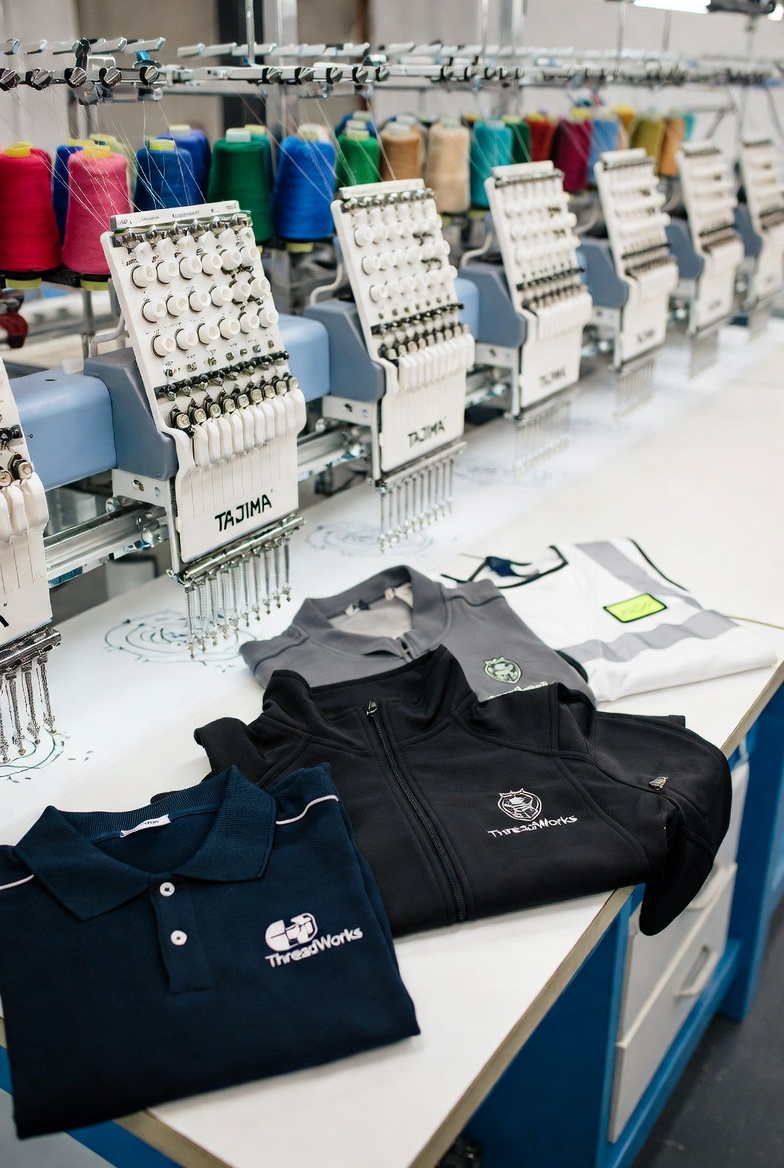
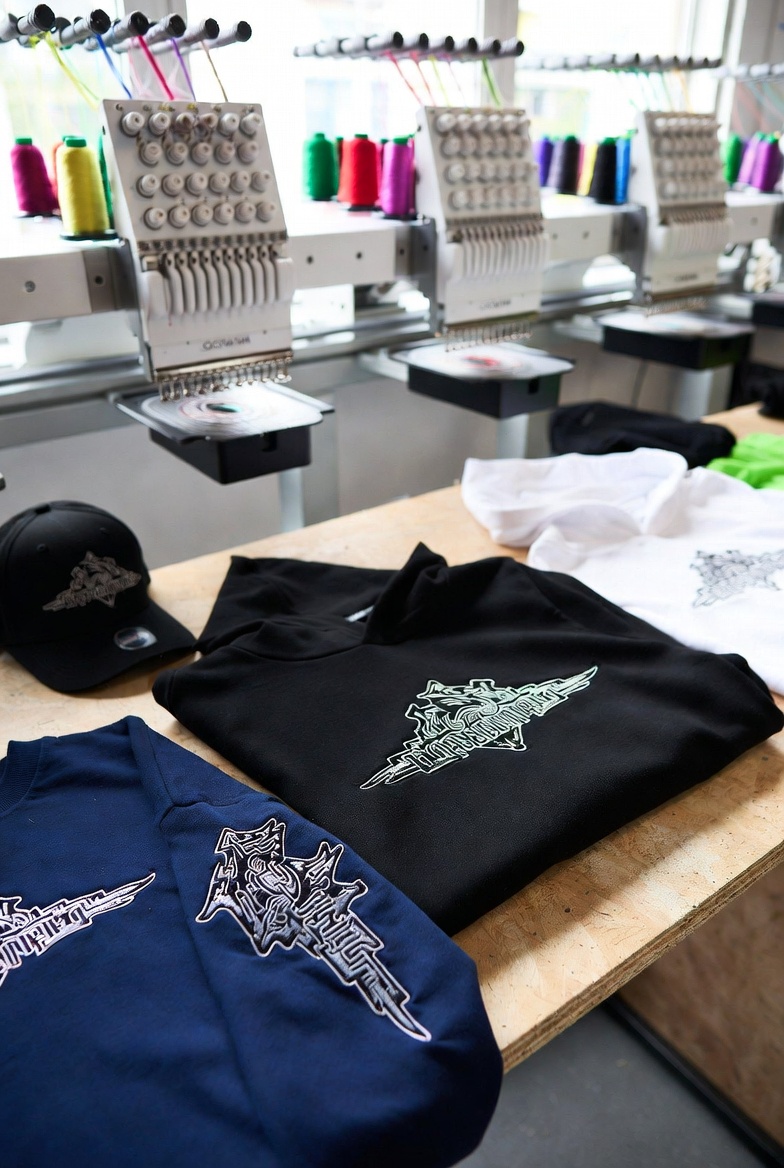
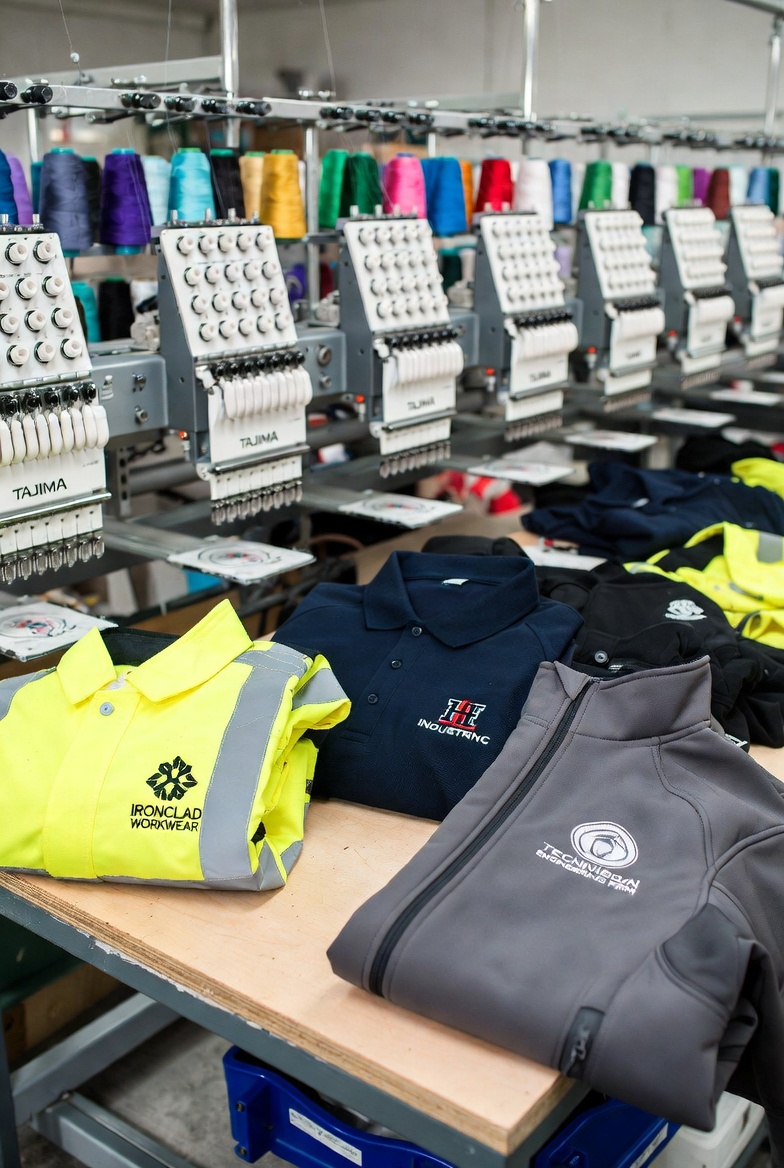
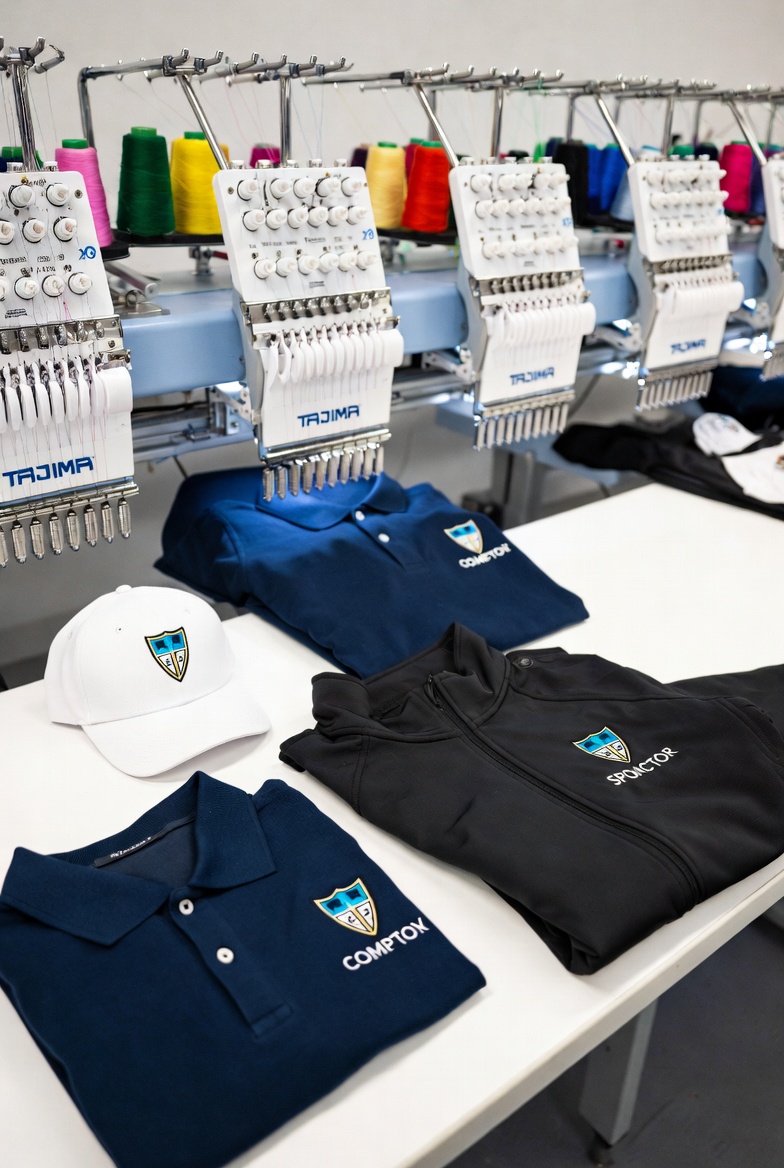
PromoKings is a full-service promotional merchandise supplier based in Leeds, providing branded products to corporate clients across Yorkshire and beyond. Their catalogue spans everything from printed pens and mugs through to high-end embroidered polo shirts, fleeces, softshell jackets, and caps. The business was founded in 2012 by Dan Harper and has grown steadily to serve approximately 400 active business clients with annual revenue approaching £1.2 million.
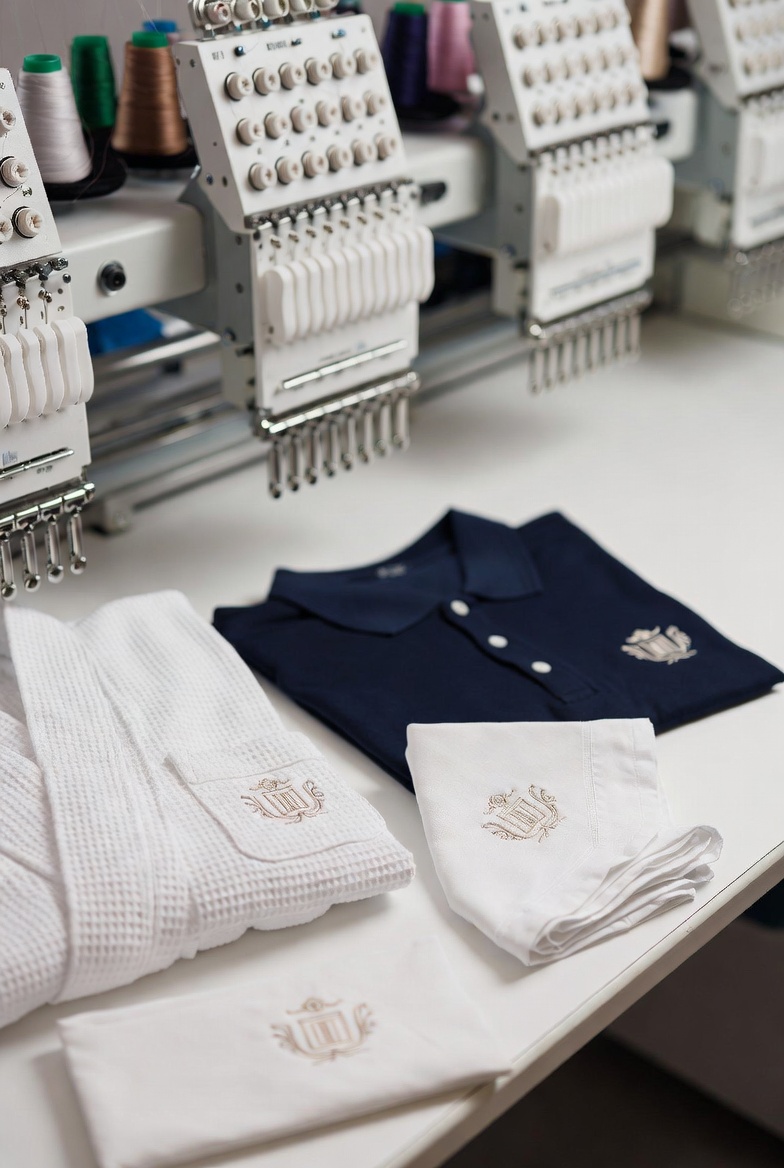
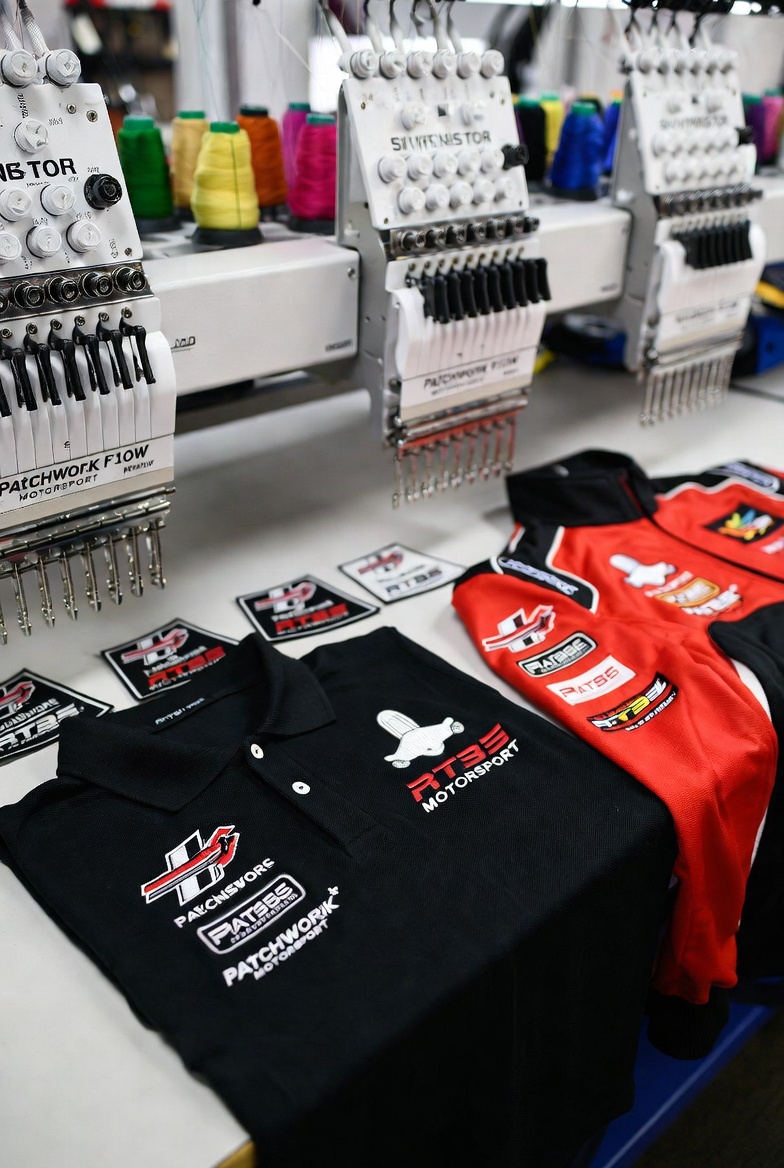
Embroidered merchandise represents the highest-margin segment of PromoKings' business. While printed products compete on price in a crowded online marketplace, embroidered items carry perceived premium value that supports healthy margins. A branded polo shirt with an embroidered company logo sells for 40-60 percent more than the same shirt with a printed logo, and clients readily pay the premium because embroidery looks more professional, lasts longer, and communicates quality to their own customers and employees.
The challenge inherent to the promotional merchandise model is volume and variety. PromoKings handles over 1,400 unique logo designs per year — every new client brings a new logo, and many existing clients update their branding periodically. Unlike a uniform supplier who might process the same fifty logos repeatedly, a promotional merchandise company is perpetually digitizing new designs. The digitizing cost and turnaround become a structural constraint on the entire business.
The Five-Day Queue
Before StitchFast, PromoKings used a combination of two external digitizing services. The primary service was a UK-based bureau charging £20 per standard design and £30-40 for complex multi-colour logos. The secondary service was an overseas provider used for overflow during peak periods (October through December, when corporate Christmas gift orders surge) at £12 per design with a longer turnaround. Combined annual digitizing expenditure exceeded £31,000.
During normal periods, turnaround from the UK bureau was 24-48 hours. During peak periods, it extended to 3-5 working days. The overseas service was slower still during its own peak season. This created a persistent digitizing queue that fluctuated in length throughout the year but never fully cleared. At its worst in November, the queue held over 80 pending designs and new submissions faced a five-working-day wait before a stitch file was returned.
The queue's impact on sales conversion was devastating and measurable. PromoKings' sales process involved sending prospective clients a quotation that included a digital mockup showing their logo embroidered on the proposed garment. Creating that mockup required a digitized stitch file — which meant the quote could not include a visual proof until the design had been through the queue. Clients receiving a text-only quote with no visual proof converted at 31 percent. Clients receiving a quote with an embroidery mockup converted at 54 percent. Every day a design sat in the queue was a day the quote sat without a visual, and PromoKings estimated they were losing dozens of potential orders per month to competitors who responded faster.
The Switch to StitchFast
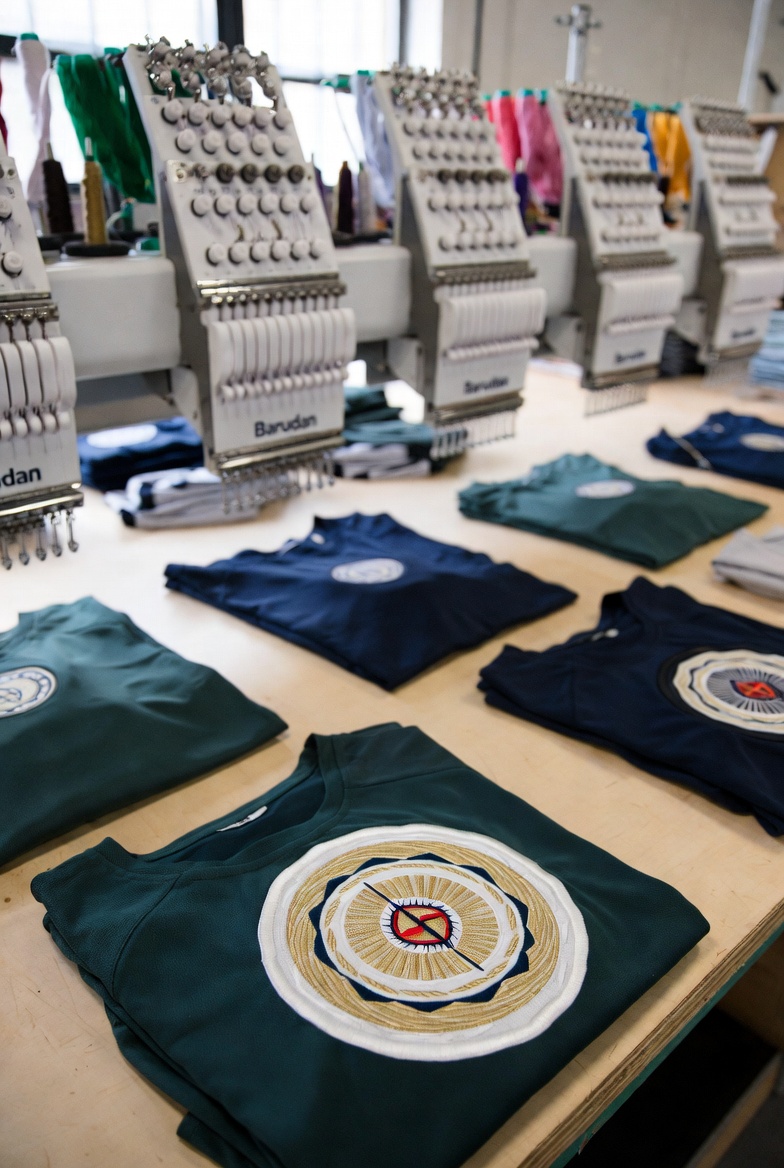
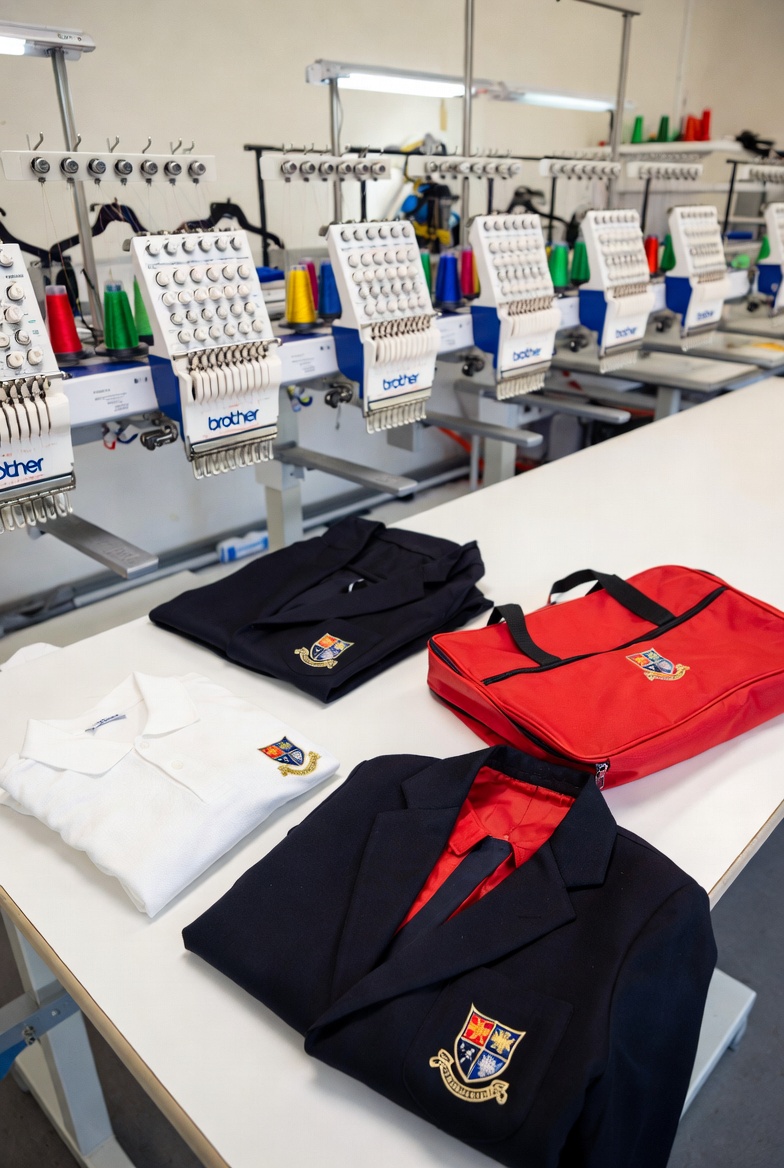
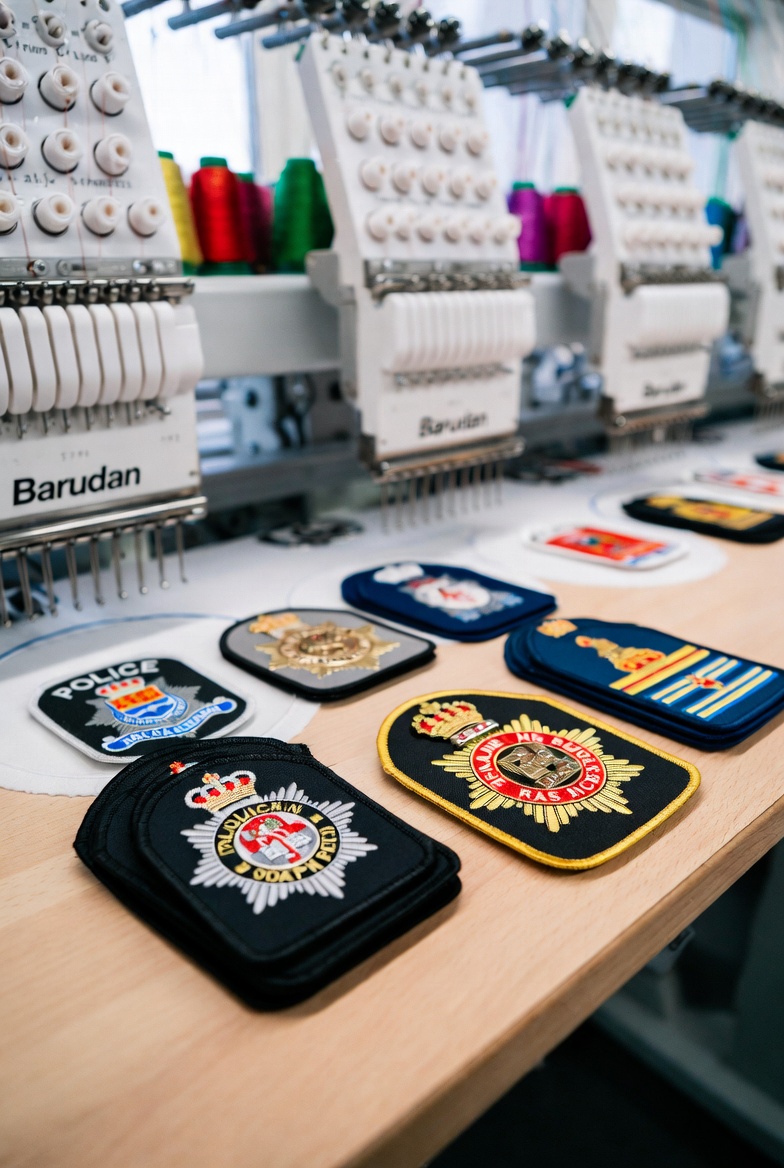
Dan Harper evaluated StitchFast after attending an embroidery trade show where the platform was demonstrated. His initial scepticism centred on the quality of AI-generated files for the wide variety of logo types a promotional merchandise company encounters. PromoKings handles everything from simple two-colour text logos through to photographic-quality full-colour brand marks, intricate coat-of-arms designs for law firms and councils, and precise geometric patterns for engineering and tech companies. The variation is extreme, and a tool that works well for simple logos but fails on complex designs would not solve the problem.
Dan ran a comprehensive 50-design trial spanning every category of complexity in their portfolio. Simple text logos, wordmarks with custom fonts, icon-and-text combinations, detailed illustrative logos, multi-colour gradient designs, and fine-detail heraldic crests. Every design was generated in DST format for their Tajima machines and test-stitched on production garments. The results showed 94 percent of designs were immediately production-ready with no modification. The remaining 6 percent required minor adjustments (density or colour stop repositioning) that took under five minutes each. Zero designs were unusable.
The quality was consistent with or superior to the UK bureau's output on the vast majority of designs. Thread colour matching was accurate, pull compensation was correctly applied, and underlay stitching was appropriate for the fill density and fabric type. Critically for promotional merchandise — where the client's brand is the product — logo fidelity was excellent. Letterforms, icon proportions, and colour accuracy all met the standard that PromoKings' clients expected.
Eliminating the Queue
PromoKings switched to StitchFast Unlimited and eliminated the digitizing queue literally overnight. The transition was completed in a single day — Dan briefed the sales and production teams in the morning, ran a training session on the StitchFast interface (which took approximately fifteen minutes), and by afternoon the first live client logos were being digitized in-house. The five-day queue ceased to exist because there was no longer any queue. A sales representative could receive a client's logo by email, upload it to StitchFast, download the DST file, generate a visual mockup, and include it in the quotation within minutes of receiving the enquiry.
The impact on quote conversion was immediate and dramatic. With instant visual proofs included in every quotation from day one, the conversion rate jumped from 31 percent to 54 percent — exactly matching the historical rate for quotes that had included proofs. Over the first twelve months, PromoKings estimates this conversion improvement generated approximately £180,000 in additional revenue that would otherwise have been lost to competitors during the waiting period.
Operational Improvements
Beyond the sales impact, eliminating external digitizing simplified operations considerably. The administrative overhead of managing two external digitizing suppliers — sending files, tracking progress, reviewing returned work, requesting revisions, managing invoices, reconciling monthly statements — consumed approximately 12 hours of staff time per week. This administrative burden dropped to near zero, freeing a part-time administrative role to be redeployed to customer service.
Production scheduling became predictable. Previously, the production team could not confirm dispatch dates until digitized files were received, creating a cascade of uncertainty that affected staffing, machine scheduling, and client communications. With instant digitizing, production could be scheduled the moment an order was confirmed, and dispatch dates could be guaranteed at the point of sale rather than estimated retroactively.
Quality control streamlined as well. PromoKings' file rejection rate with external digitizers was 11 percent — roughly one in nine files needed revision before production. With StitchFast, the revision rate dropped to 3 percent, reducing the back-and-forth that had previously consumed operator time and delayed production.
Financial Summary
Annual digitizing cost reduction: from £31,000+ to £360 (StitchFast Unlimited plan). Net saving: approximately £30,640 per year. Additional revenue from improved quote conversion: estimated £180,000 in the first twelve months. Administrative time recovered: approximately 12 hours per week, equivalent to a part-time salary. Production efficiency gain from reduced rework: estimated 6 percent improvement in garments per machine-hour.
For Dan Harper, the decision to adopt StitchFast was the single most impactful operational change PromoKings has made in its twelve-year history. The combination of cost elimination, speed improvement, and conversion rate impact delivered a return on investment that no other technology adoption has matched. The digitizing queue — once the defining constraint of the business — no longer exists.
Grey bars show the figure before StitchFast; green bars show after.
The Quote-to-Order Pipeline
Understanding the impact of StitchFast on PromoKings requires understanding their sales pipeline in detail. A typical enquiry arrives by email or phone from a corporate buyer requesting branded polo shirts, jackets, or fleeces for their team. The PromoKings sales team responds with a formal quotation that includes garment options, pricing tiers based on quantity, and — crucially — a visual mockup showing the client's logo embroidered on the proposed garment. This mockup is generated using specialised merchandise visualisation software that requires an actual stitch file to produce a realistic thread-texture preview.
Before StitchFast, creating the mockup depended on having a digitized stitch file, which depended on the bureau's turnaround time. A quote requested on Monday might not include a visual mockup until Wednesday or Thursday. In the promotional merchandise industry, speed of response is a competitive differentiator — corporate buyers typically send their enquiry to three or four suppliers simultaneously and award the order to the first supplier who responds with a complete, professional quotation. A two-day delay in producing a visual mockup frequently meant losing the order to a faster competitor.
With StitchFast, the entire quote process — from receiving the enquiry to sending a complete quotation with visual mockup — takes under thirty minutes. The sales representative uploads the client's logo to StitchFast, downloads the DST file, imports it into the visualisation software, generates the mockup, and attaches it to the quote. Enquiries received before 10am now receive a full quote with visual before lunchtime. This speed consistently puts PromoKings first in the client's inbox, and the data shows it directly drives conversion.
Competitive Positioning
The promotional merchandise market in Yorkshire is highly competitive, with over 40 suppliers operating in the Leeds-Bradford-Sheffield triangle alone. Price competition is intense on printed products, where margins are thin and differentiation is minimal. Embroidered products offer higher margins but require the digitizing capability that represents a barrier to entry — or at least it did before tools like StitchFast made instant digitizing accessible to any supplier.
PromoKings has leveraged their StitchFast-powered speed advantage as a core brand proposition. Their marketing materials emphasise "same-day proofs" and "instant embroidery mockups" as headline benefits, positioning the company as the fastest embroidery supplier in the region. This positioning attracts time-sensitive corporate buyers — event organisers needing branded merchandise for an upcoming conference, HR managers procuring new starter kits under time pressure, and marketing teams rushing to produce branded items for a product launch. These time-sensitive orders tend to be less price-sensitive than planned procurement, supporting healthier margins.
The competitive advantage extends to reorder processing as well. When an existing client places a repeat order with a modified logo (new tagline, updated colour, additional branding element), PromoKings can generate the updated stitch file immediately and confirm the order within minutes. Competitors still using outsourced digitizing need 24-48 hours for the updated file, during which the client's order sits in limbo. Over time, this responsiveness builds switching costs — clients who are accustomed to instant service are reluctant to move to a supplier who makes them wait.
Scaling the Sales Team
The elimination of the digitizing bottleneck had a secondary effect that Dan had not anticipated: it enabled scaling the sales operation. Previously, adding a new sales representative increased the volume of incoming orders and digitizing requests without increasing the digitizing bureau's capacity. Each additional salesperson generated more demand for stitch files, extending the queue further and degrading delivery times for all clients. There was effectively a ceiling on how many salespeople the business could support before the digitizing bottleneck collapsed the service level.
With StitchFast providing unlimited, instant digitizing, that ceiling no longer exists. Dan has added two additional sales representatives since adopting the platform, bringing the total to five. Each representative generates an average of 25 new client accounts per month, and the production team handles the increased volume without any digitizing delay. The sales team expansion — made possible by the digitizing bottleneck removal — is the primary driver of the £180,000 revenue increase in the first twelve months.
The cost of the two additional sales representatives (approximately £70,000 in combined salary and expenses) is comfortably covered by the additional revenue they generate, creating a scalable growth engine that was previously constrained by the digitizing bottleneck. Dan is now evaluating a sixth sales representative and exploring expansion into adjacent geographic markets, confident that the production infrastructure — anchored by StitchFast's unlimited digitizing — can support continued growth without degrading service quality.
Client Self-Service Portal
Inspired by the instant digitizing capability of StitchFast, Dan has developed a simple client self-service portal where existing PromoKings clients can place repeat orders and view their embroidered logo as it will appear on different garment options. The portal stores each client's digitized logo (generated through StitchFast at onboarding) and displays it on product mockups, allowing clients to select garments, choose sizes and quantities, and place orders without needing to contact the sales team. This self-service capability has reduced the administrative overhead of repeat order processing by approximately 40 percent, freeing the sales team to focus on new client acquisition rather than routine reorder management.
The portal also includes an "update your logo" function that allows clients to upload a new or modified logo. When a client submits a new logo through the portal, the PromoKings team uploads it to StitchFast, generates the new stitch file, updates the portal mockups, and notifies the client that their updated logo is ready for ordering — typically within the same business day. This seamless update process keeps the portal current and reduces the friction of logo changes that might otherwise prompt clients to evaluate alternative suppliers.
The self-service model represents an evolution in PromoKings' business strategy, enabled directly by StitchFast's elimination of the digitizing bottleneck. When digitizing required days of external processing, a self-service portal would have created false expectations — clients selecting products for immediate order would have discovered that their order was delayed waiting for a stitch file they did not know needed to exist. With instant digitizing, the backend processes are fast enough to support the immediacy that self-service implies, and the client experience is genuinely seamless from selection to production.
Impact on Team Morale and Company Culture
An underappreciated benefit of eliminating the digitizing queue has been its impact on team morale. Before StitchFast, the production team operated under constant pressure from a queue of orders waiting for stitch files — a bottleneck they could not control but were held accountable for when dispatch deadlines were missed. The sales team was frustrated by the inability to provide instant proofs. The admin team spent hours managing the digitizing bureau relationship. Everyone in the business felt the friction caused by a single external dependency.
With the queue eliminated, the internal atmosphere has shifted from reactive to proactive. The production team plans confidently because they know every order can begin production immediately upon confirmation. The sales team quotes with confidence because visual proofs are available in minutes. The admin team has been redeployed from bureau management to customer service, where their interpersonal skills are better utilised. Dan describes the cultural change as the most surprising benefit of the StitchFast adoption — the technology solved a technical problem, but the resulting improvement in team morale and operational confidence has been equally valuable to the business.