The Motorsport Embroidery Niche
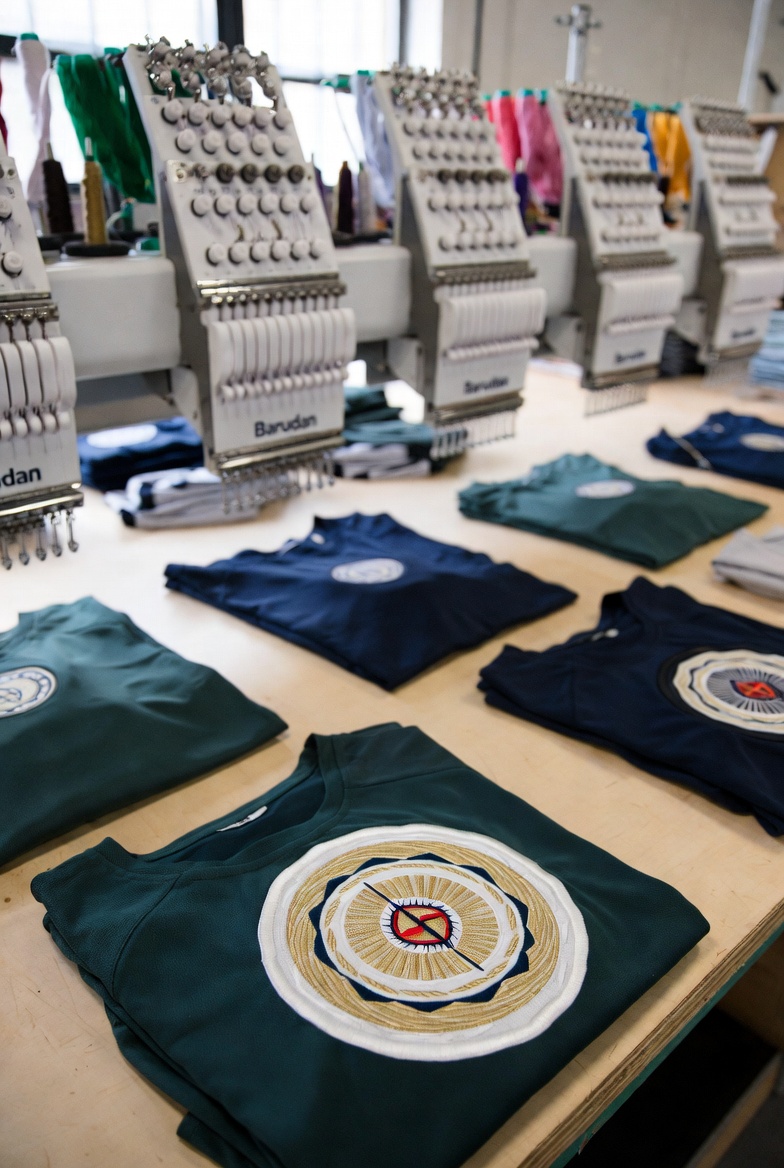
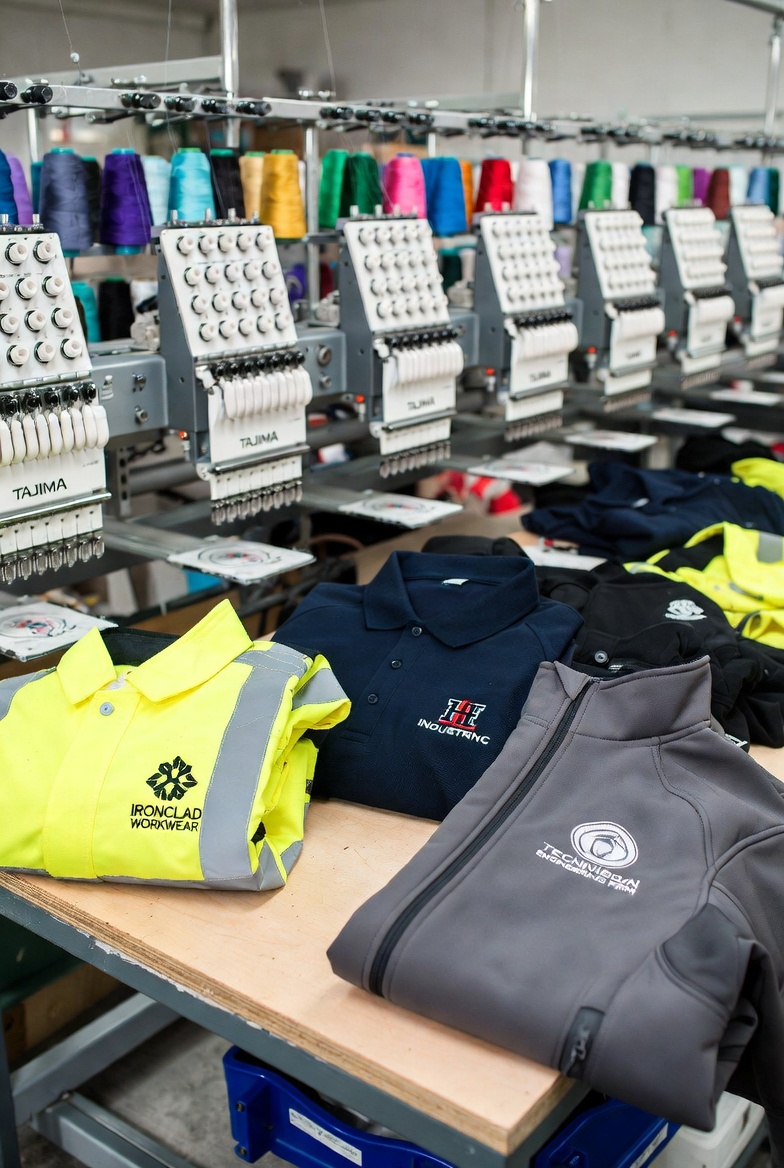
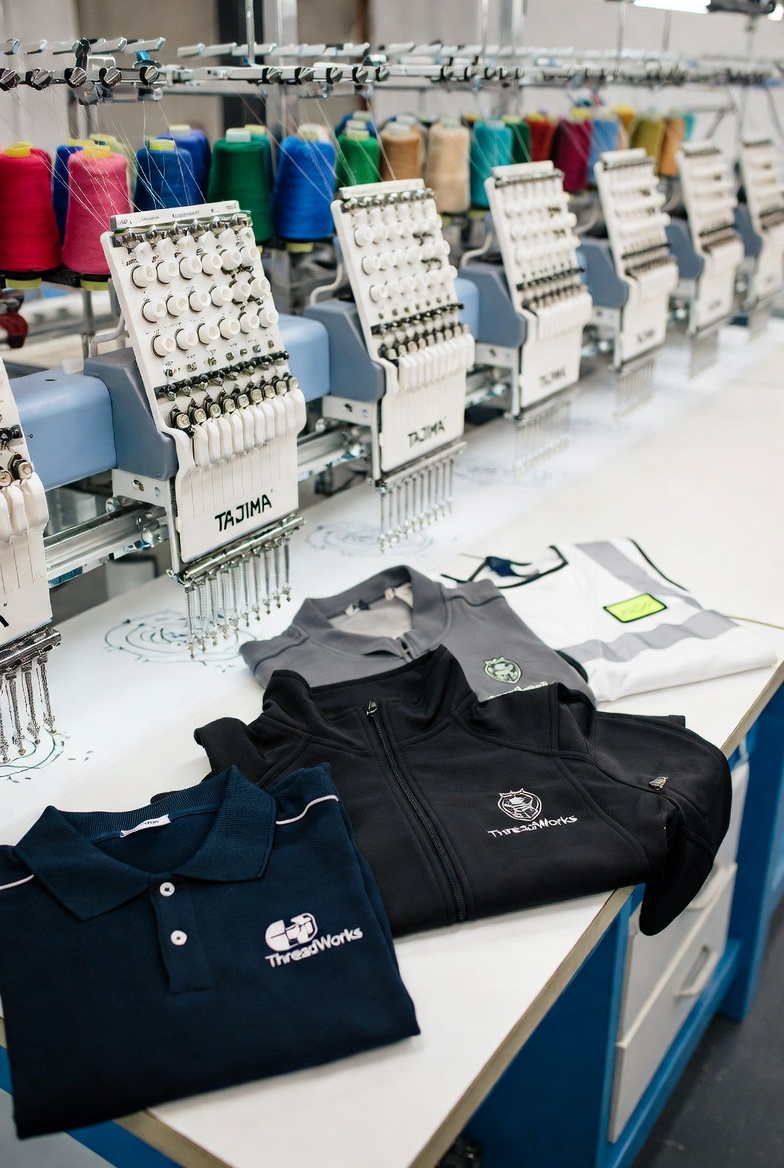
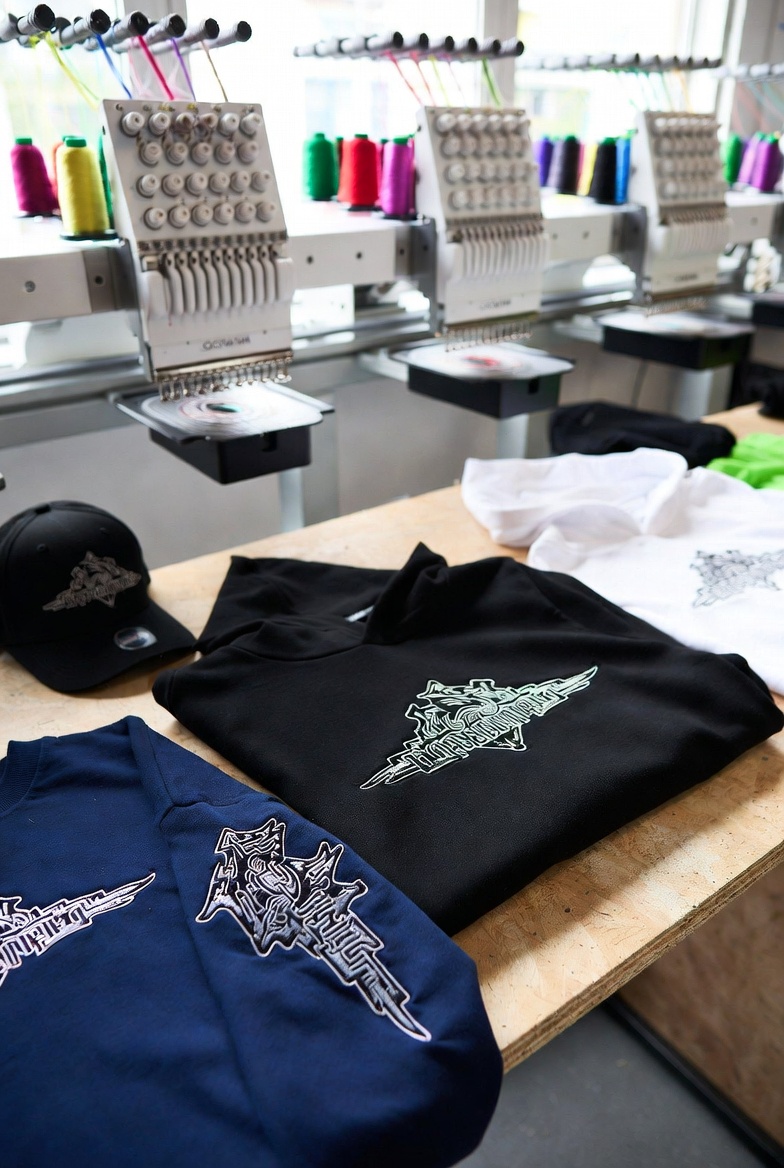
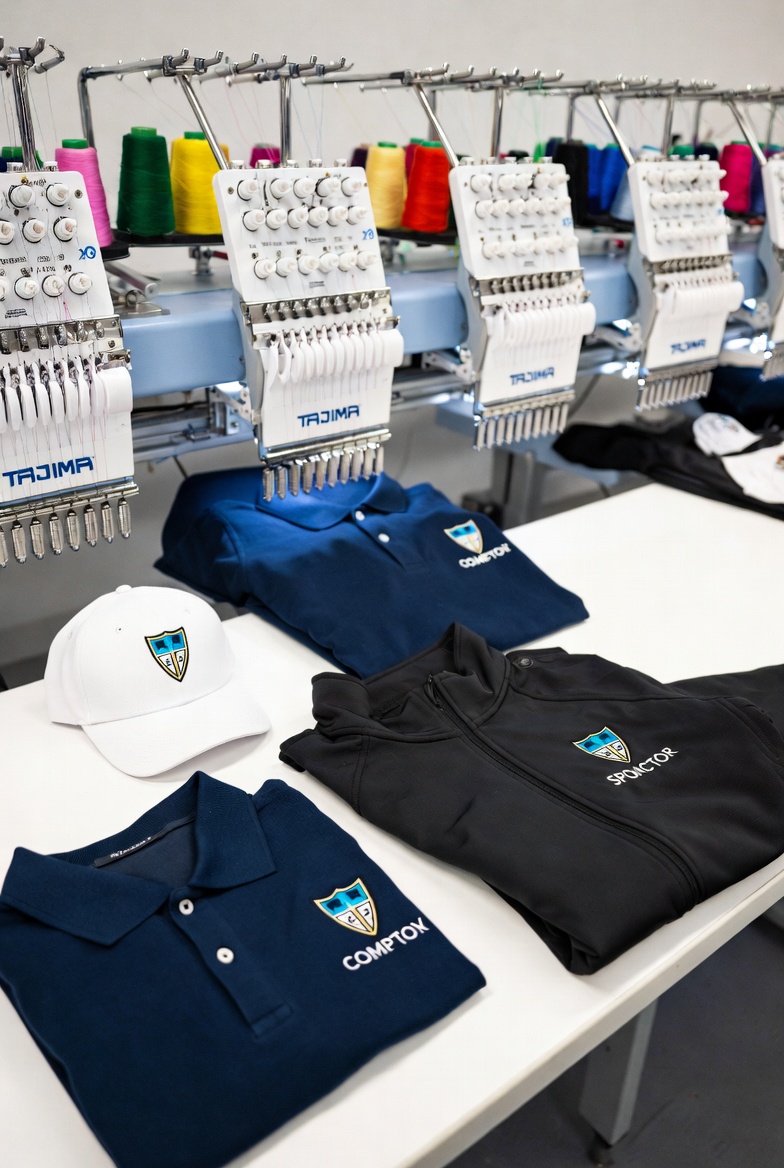
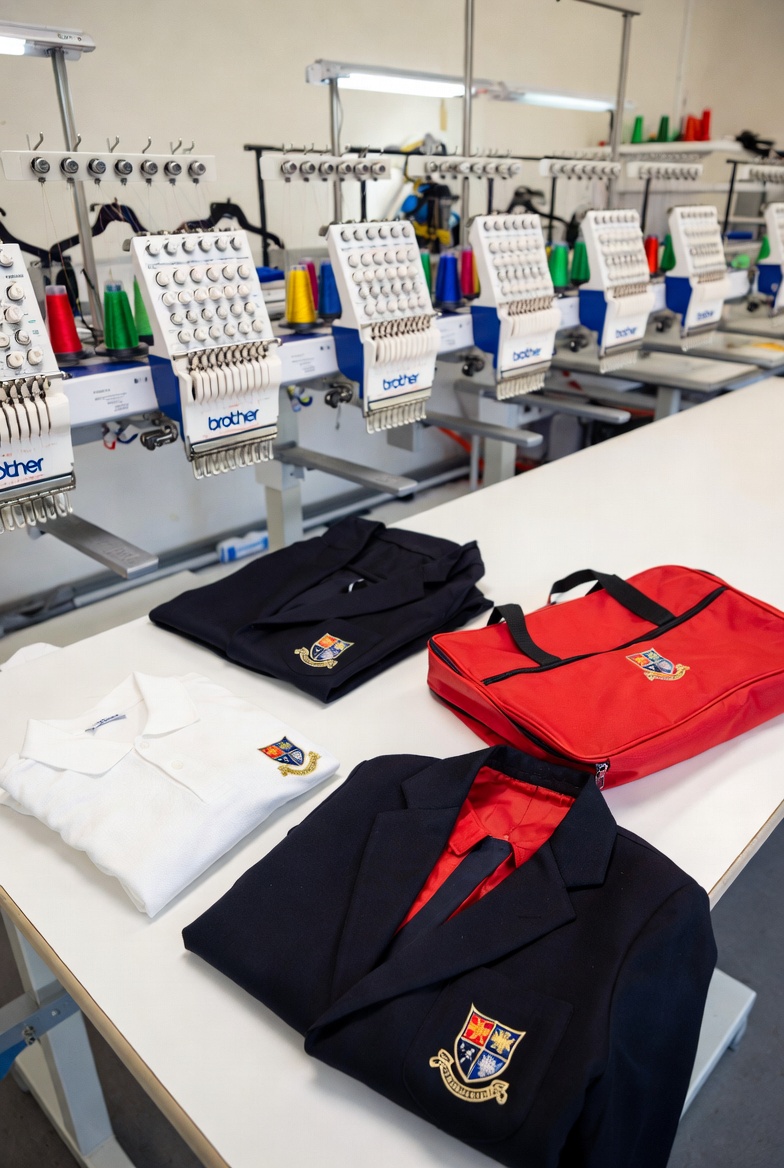
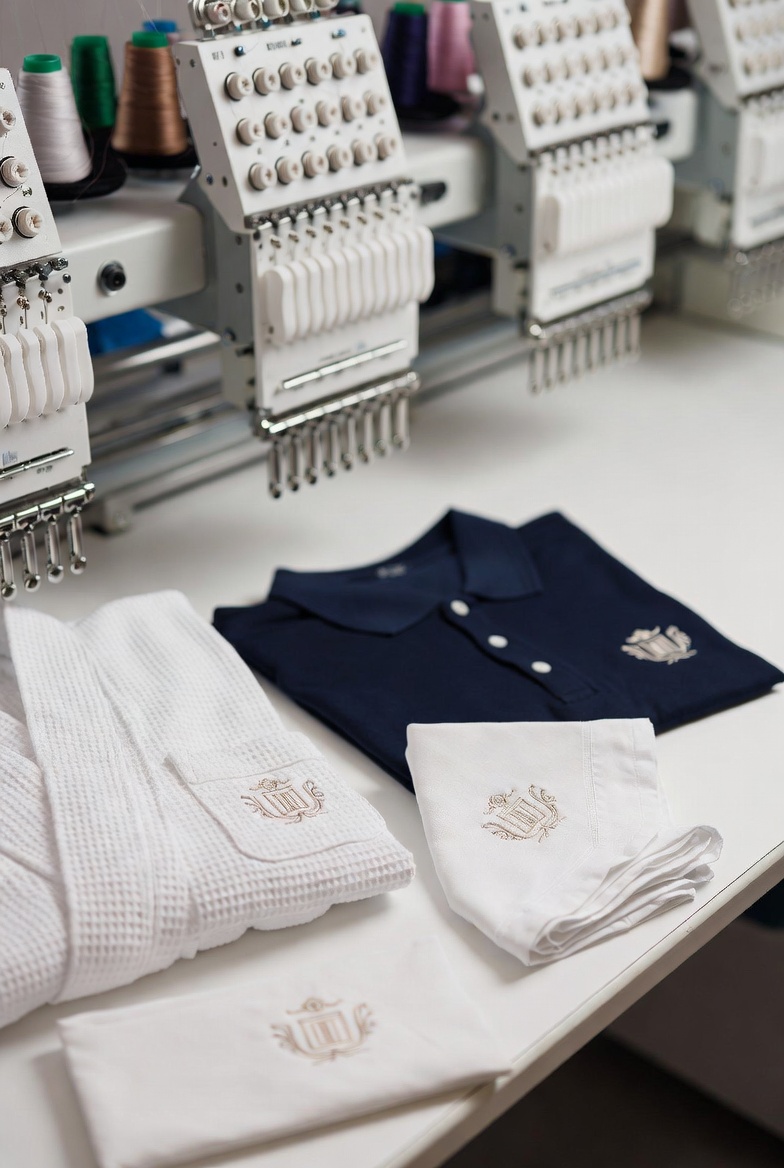
Patchwork Motorsport occupies a specialised niche within the embroidery industry, producing embroidered patches, team shirts, crew wear, and branded merchandise for racing teams competing in UK and European motorsport series. Based near the Silverstone circuit in Northamptonshire, the company was founded in 2016 by former racing mechanic Tom Langley, who identified a gap in the market for a specialist embroidery supplier who understood the unique demands of motorsport's fast-moving, sponsorship-driven environment.
Motorsport embroidery differs fundamentally from standard commercial embroidery in one critical respect: speed of change. Sponsor logos on racing cars, driver suits, and team wear change frequently — sometimes between race weekends. A new title sponsor announcement on Wednesday means every team member needs new embroidered polo shirts by Friday's paddock setup. A mid-season sponsor exit means patches need to be removed and replaced, team wear updated, and merchandise redesigned in days rather than weeks. The embroidery supplier who cannot keep pace with this cadence loses the account.
Patchwork Motorsport serves approximately 45 racing teams across British Touring Cars support series, British GT, UK club racing championships, and several European series. Each team carries between 4 and 15 sponsor logos, and the typical team refreshes 30-40 percent of its sponsor portfolio between seasons. This generates over 340 unique new logo digitizations per year, concentrated heavily in the pre-season February-March window and punctuated by urgent mid-season changes throughout the April-October racing calendar.
When Hours Matter
The incident that catalysed Patchwork's adoption of StitchFast occurred at Brands Hatch in July 2024. A British GT team secured a new energy drink sponsor on Thursday evening — forty-eight hours before their Saturday race. Tom received the sponsor's logo by email at 9pm Thursday and needed embroidered patches and crew polo shirts ready for collection at the circuit by Saturday morning. Under normal circumstances, the outsourced digitizer Tom used offered 24-hour turnaround — but at 9pm on a Thursday, that meant the file would not arrive until Friday evening at the earliest, leaving no time for production.
Tom hand-digitized the logo himself using Wilcom software, working until 2am to produce a usable file. The patches were stitched overnight and delivered to the circuit on Saturday morning, but the experience highlighted a vulnerability in the business model. Motorsport does not operate on business hours, and the outsourced digitizing dependency meant that any urgent request arriving outside the bureau's working hours created a crisis. With racing happening every weekend from April through October, these crises were not hypothetical — they were a regular occurrence.
Adopting StitchFast
Tom evaluated StitchFast specifically for its availability — the platform operates 24 hours a day with no human dependency and returns files in under a minute regardless of when the request is made. The quality evaluation was secondary to the availability evaluation, but Tom ran his standard assessment nonetheless: 25 sponsor logos of varying complexity, including several with metallic effects, gradients, and very fine text that are characteristic of motorsport sponsor branding.
Twenty-two of the twenty-five logos produced production-ready DST files on the first attempt. The three requiring adjustment were all logos with extremely fine tagline text below 3mm height — a known challenge for any digitizing method and an area where Tom typically provides manual adjustment regardless of the file source. StitchFast's handling of solid fill areas, outline stitching, and column satin text was excellent, and critically, the pull compensation was correctly calibrated for the polyester fabrics commonly used in motorsport team wear.
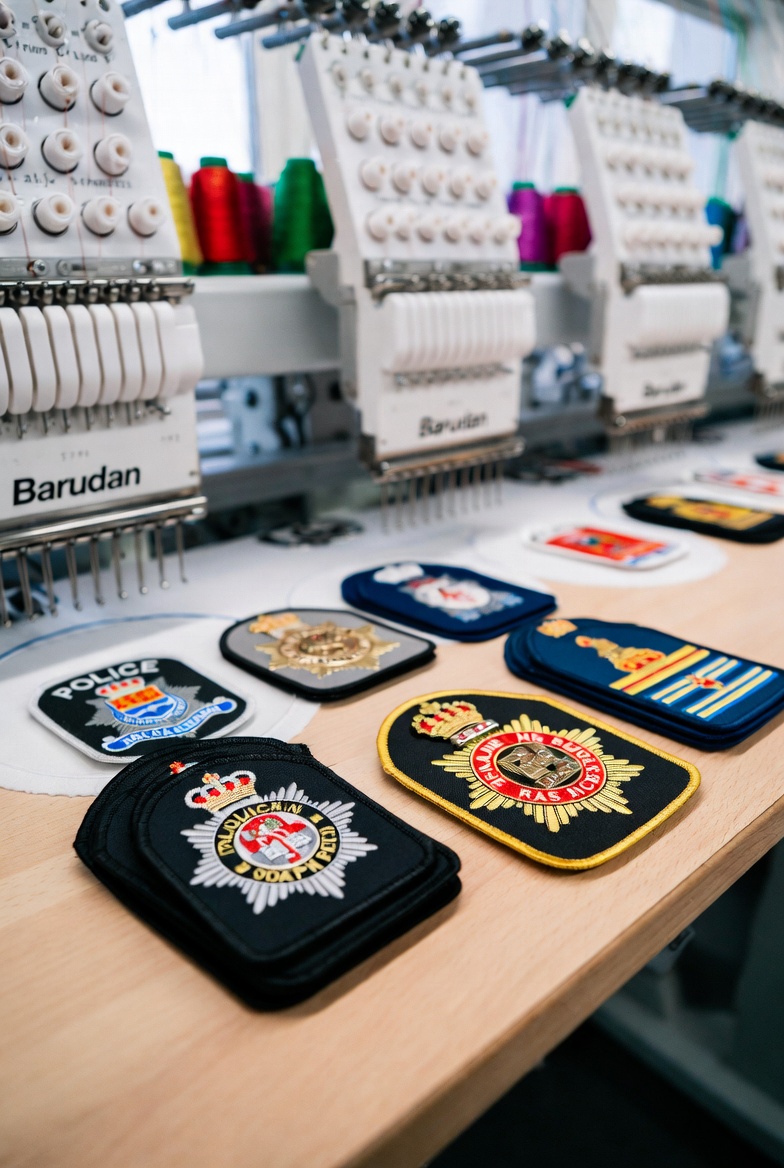
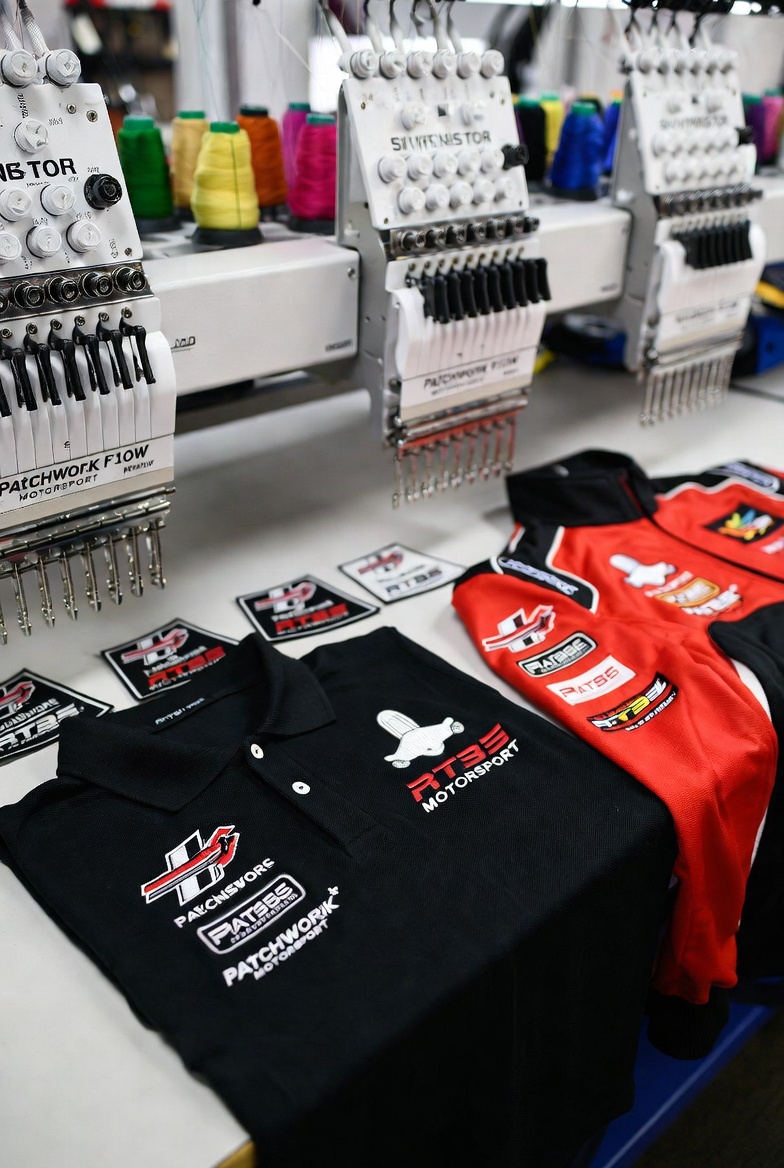
The patch-specific testing was particularly important. Embroidered patches — stitched on a separate backing material and then applied to garments — have different density and coverage requirements than direct embroidery. Patches need full-coverage stitching with no fabric visible between stitch areas, heavy satin borders that will withstand the heat-seal or sew-on application process, and dense underlay that provides structural rigidity. StitchFast's output met these requirements consistently, producing patches that matched the quality of Tom's manually digitized files.
Race-Weekend Ready in 24 Hours
With StitchFast in place, Patchwork Motorsport now offers a guaranteed 24-hour turnaround from logo receipt to finished embroidered product. The workflow is simple: sponsor logo arrives by email (often late evening or early morning, reflecting the unsociable hours of motorsport), Tom uploads it to StitchFast immediately (from his phone if necessary), downloads the DST file, and queues production. Patches and team wear are stitched first thing the following morning and dispatched or hand-delivered to the circuit by early afternoon.
This 24-hour guarantee has become Patchwork Motorsport's primary competitive advantage. Competing embroidery suppliers serving the motorsport market typically quote 5-7 day turnaround, which is adequate for pre-season preparation but useless for the mid-season sponsor changes that generate the most urgent — and most profitable — orders. Patchwork's ability to deliver race-ready embroidered products within 24 hours of receiving artwork has secured exclusive embroidery supplier agreements with twelve teams who previously split their work across multiple suppliers.
Volume and Variety
Over the past twelve months, Patchwork Motorsport has processed over 340 unique sponsor logos through StitchFast. The variety is remarkable: automotive parts brands, energy drink companies, insurance providers, technology firms, luxury watch brands, fuel companies, tyre manufacturers, and local businesses ranging from builders' merchants to dental practices (grassroots racing sponsorship attracts an eclectic mix of backers). Each logo has its own colour palette, complexity level, and aesthetic requirements.
StitchFast handles this variety without issue. The AI processes a simple two-colour text logo and a complex twelve-colour illustrated brand mark with equal reliability. File generation time varies marginally with complexity but never exceeds two minutes for even the most detailed designs. This consistency is valuable in an environment where Tom might need to digitize five different sponsor logos in a single evening to prepare for a weekend event.
Financial and Operational Impact
Previous annual digitizing spend at £22 per logo across 340 designs: £7,480. Current annual spend: £360. Net saving: approximately £7,120 per year. But the financial impact of the 24-hour turnaround guarantee far exceeds the digitizing cost saving. The exclusive supplier agreements secured through the speed advantage generate approximately £40,000 in additional annual revenue — business that Patchwork would not have won without the ability to deliver overnight.
Tom has reinvested the combined savings and additional revenue into production equipment, adding a dedicated patch machine (a Barudan single-head unit optimised for high-density patch work) and a heat-seal press for professional patch application. The business has grown from a one-person operation to a team of three, and Tom is now exploring expansion into European motorsport series where the same sponsor-change urgency exists on a larger scale.
For Patchwork Motorsport, StitchFast did not simply reduce costs — it enabled a business model that would be impossible without instant digitizing. The motorsport industry moves at race speed, and the embroidery supplier needs to move with it. StitchFast makes that possible.
Patch Production Specifications
Embroidered patches for motorsport applications must meet specifications that exceed standard commercial patch production. The patches are applied to fire-resistant Nomex race suits, polyester team wear, and leather paddock jackets — each substrate requiring a different application method (heat-seal, sew-on, or Velcro-backed) and each imposing different constraints on the patch construction. Heat-seal patches require a specific minimum border width to ensure the adhesive backing makes complete contact with the garment. Velcro-backed patches need a heavier backing material that provides rigidity for attachment and detachment. Sew-on patches must have clean, consistent Merrow-edge borders that a seamstress can stitch through without difficulty.
StitchFast generates stitch files that accommodate all three patch construction methods. The satin stitch borders produced by the AI are consistently wide enough for heat-seal application, dense enough to cover Merrow edges cleanly, and structured enough to support Velcro backing attachment. Tom has not needed to modify border parameters on any StitchFast-generated patch file — the default border stitching meets his production specifications across all three application methods.
Full-coverage density is critical for motorsport patches because any visible backing material between stitch areas looks unprofessional and degrades quickly when exposed to the fuel, oil, and brake dust environment of a racing paddock. StitchFast's fill stitch coverage is complete, with no light spots or thin areas where the backing shows through. The underlay stitching provides a smooth foundation that prevents the fill stitches from sinking into the backing material, maintaining the raised, crisp appearance that characterises professional embroidered patches.
Trackside Delivery and Race-Day Service
Patchwork Motorsport has developed a unique trackside delivery service that leverages StitchFast's instant digitizing capability. Tom attends approximately twenty race meetings per season, setting up a mobile sales and delivery presence in the paddock area. Teams can order patches and embroidered team wear at the circuit, and Tom produces them overnight for delivery the following morning — in many cases before the cars leave the garage for the first practice session.
This trackside service would be impossible without instant digitizing. A team that approaches Tom's stand at Silverstone on Friday evening with a new sponsor logo needs patches and polo shirts for Saturday morning. Tom uploads the logo to StitchFast from his phone, downloads the file to a laptop connected to a portable embroidery machine in his van, and produces the patches overnight. The turnaround time from receiving the logo to handing over finished embroidered products: typically 10-12 hours including sleep.
The trackside service generates approximately 25 percent of Patchwork Motorsport's annual revenue and carries the highest profit margins in the business. Convenience pricing applies — teams pay a premium for overnight production because the alternative (going without branded team wear for the race weekend) is unacceptable. The combination of StitchFast's instant digitizing and Tom's willingness to work unsociable hours at circuits across the country has created a service offering that no competing embroidery supplier has replicated.
Quality Consistency Across Sponsor Types
The diversity of sponsor logos in motorsport is extreme, and each logo type presents different digitizing challenges. Automotive parts brands tend to use bold, angular designs with limited colours — straightforward for digitizing. Energy drink companies favour complex, illustrative logos with gradients and photographic elements — challenging for any digitizing method. Insurance and financial sponsors use clean, corporate wordmarks that require precise letter spacing and font weight reproduction. Technology companies sometimes use logos with very thin lines and complex geometric patterns that push the physical limits of embroidery thread resolution.
StitchFast handles this variety with remarkable consistency. Tom tracks quality metrics by sponsor category and has found no statistically significant difference in first-run pass rates across logo types. The AI's per-region analysis approach means that each element of a complex logo receives appropriate treatment — bold elements get full-density fill, fine text gets appropriately lighter stitching, and gradient transitions receive stepped colour blending that approximates the visual effect without requiring impossible stitch precision. This consistent quality across the full spectrum of logo complexity is essential for a supplier serving an industry where every team carries multiple sponsors with different branding styles.
Sponsor Branding Standards and Compliance
Motorsport sponsor logos are subject to contractual branding standards that are rigorously enforced. Sponsors invest significant sums in racing team partnerships and expect their brand to be reproduced with absolute fidelity across all team touchpoints — from the car livery to the team wear embroidery. A sponsor whose logo is reproduced inaccurately on team polo shirts or patches will notice, complain, and potentially withhold sponsorship payments pending correction. The stakes are high enough that Tom treats logo fidelity as a non-negotiable quality standard.
StitchFast's colour accuracy has been crucial for meeting these branding standards. The AI's thread colour matching maps sponsor brand colours to the nearest Madeira thread shade with sufficient accuracy that sponsors have not raised colour accuracy concerns on any StitchFast-generated embroidery. The precision of lettering reproduction — correct font weight, letter spacing, and proportional scaling — has also met sponsor expectations, with several team managers commenting that the embroidered versions of their sponsors' logos look "sharper" than previous seasons' versions produced by Tom's former outsourced digitizer.
The logo fidelity requirement extends to consistency between batches. A sponsor logo embroidered on a polo shirt in February must look identical to the same logo embroidered on a replacement polo shirt in August. With outsourced digitizing, there was always a risk that a re-digitized file would differ subtly from the original — a different digitizer might make slightly different choices about stitch angles, density, or colour sequence. StitchFast eliminates this risk because uploading the same image produces the same file every time. Batch-to-batch consistency is guaranteed by the deterministic nature of the AI algorithm.
Expansion into European Motorsport
Tom is currently exploring expansion into European motorsport series, where the same sponsor-change urgency exists on a larger scale. Initial conversations with teams competing in the European Le Mans Series and the GT World Challenge Europe have confirmed strong demand for a rapid-turnaround embroidery supplier who understands the unique requirements of motorsport. The logistics of serving European circuits from a UK base are more complex — requiring advance production and shipping rather than the trackside delivery model that works for UK circuits — but StitchFast's instant digitizing means that even international orders can begin production within hours of receiving the sponsor artwork.
The European expansion represents a significant growth opportunity. European motorsport budgets are generally larger than UK domestic series, and the embroidery requirements are correspondingly more extensive — bigger team sizes, more merchandise SKUs, and more frequent sponsor changes. Tom estimates that serving five to ten European teams could double Patchwork Motorsport's annual revenue without requiring proportional increases in production capacity, because the higher-value European orders would be concentrated in the pre-season production window rather than spread across race weekends.
The StitchFast Unlimited plan scales effortlessly to support this expansion. Whether Tom is digitizing 340 sponsor logos per year for UK teams or 600 logos per year across UK and European series, the monthly cost remains £29.99. This cost predictability is essential for budgeting international expansion, where the unknown variables (shipping costs, travel expenses, currency fluctuations) are numerous enough without adding unpredictable digitizing costs to the equation. StitchFast provides one element of certainty in an otherwise uncertain growth plan.