The Personalisation Economy
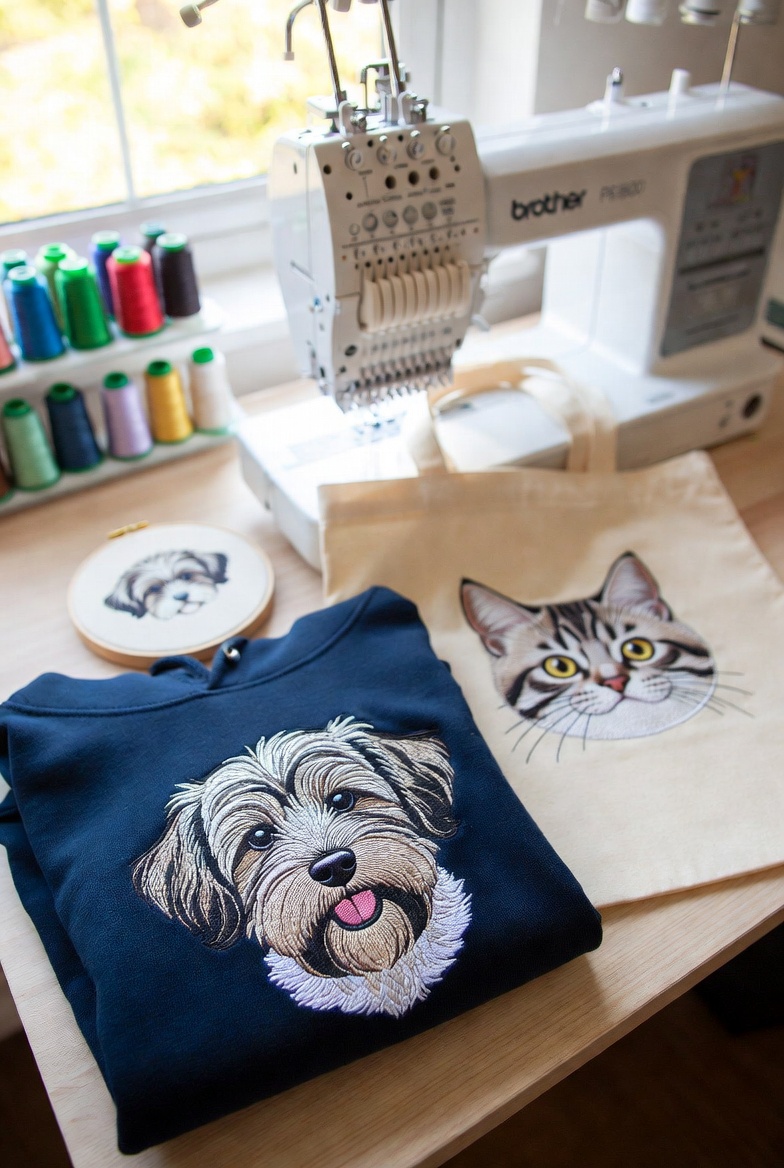
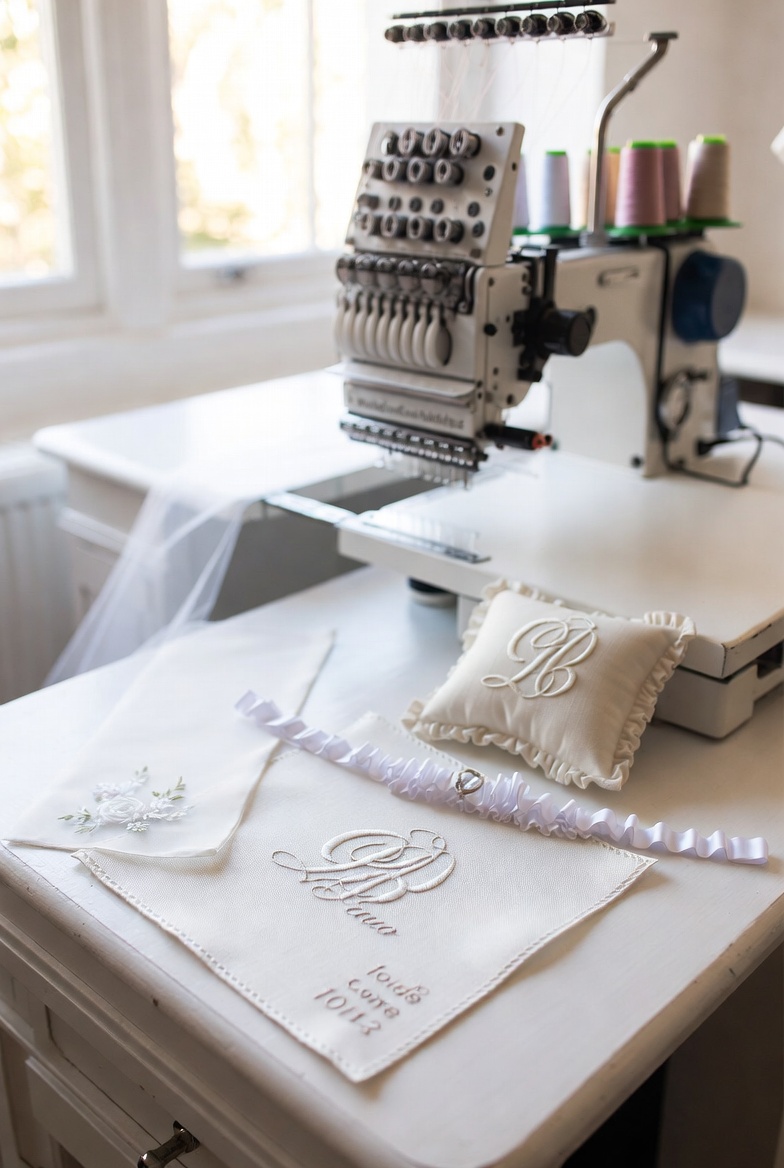
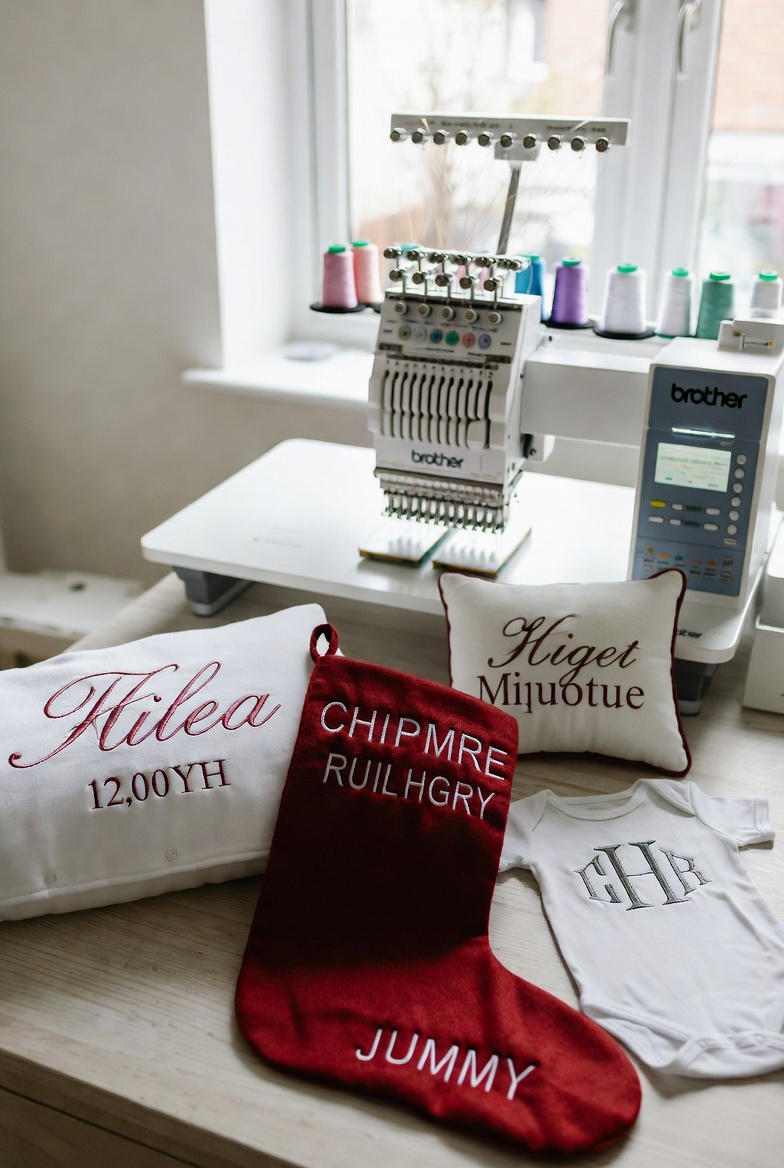
Stitch & Gift is an Etsy shop specialising in personalised embroidered gifts — baby blankets with names and birth dates, Christmas stockings with family member names, milestone birthday keepsakes with custom messages, new home gifts with addresses, wedding gifts with couple names and dates, and teacher appreciation gifts with class details. The shop is run by Lucy and Mark Patterson from their home in Cardiff, with Lucy handling design and embroidery production while Mark manages the Etsy listings, customer service, and shipping logistics.
The personalised gift market on Etsy is enormous and growing. Consumers increasingly seek unique, meaningful gifts rather than mass-produced alternatives, and embroidered personalisation occupies a premium position within this market. A baby blanket embroidered with the child's name, date of birth, and birth weight sells for £28-45 and is perceived as a thoughtful, lasting keepsake — the kind of gift that gets kept for decades rather than discarded after the first year. The emotional value vastly exceeds the material cost, creating healthy margins for sellers who can produce efficiently.
The fundamental challenge of personalised embroidery is that every single order is unique. Unlike a uniform supplier who stitches the same logo hundreds of times, a personalisation seller creates a different stitch file for every order. Baby blanket for "Oliver James, 15th March 2025, 7lb 4oz" is a completely different file from "Sophia Rose, 2nd April 2025, 8lb 1oz." Christmas stocking for "The Henderson Family" needs different lettering than "Grandma Pat." Every order, every design, every stitch file — unique.
Before StitchFast: The Scaling Wall
Before discovering StitchFast, Lucy created stitch files manually using basic embroidery design software (PE-Design, bundled with her Brother machine). For simple name-only designs, this process took approximately 15-20 minutes per file — selecting fonts, adjusting sizing, setting stitch parameters, and generating the PES output. For more complex designs with dates, weights, decorative borders, and multiple text elements, the process took 30-45 minutes.
At 20 minutes average per file and 200 orders per month, Lucy was spending approximately 67 hours per month — essentially two full working weeks — purely on creating stitch files. This was time spent not stitching, not fulfilling orders, not designing new products, and not sleeping. The file creation process was the single largest time investment in the entire business, exceeding even the actual embroidery stitching time.
The alternative — outsourcing digitizing at £15-20 per file — was financially impossible at this volume. Two hundred designs at £15 each would cost £3,000 per month, consuming 63 percent of the shop's gross revenue and rendering the business unprofitable. Lucy was trapped between two unacceptable options: spending all her time making files instead of stitching, or spending all her revenue paying someone else to make them.
StitchFast as a Volume Solution
Lucy adopted StitchFast after a recommendation from another Etsy embroidery seller. The key attraction was not the per-design cost saving (Lucy was not paying per design previously) but the time saving. StitchFast generates a complete stitch file from an uploaded design image in under a minute. Compared to Lucy's 20-minute manual process, this represented a 95 percent reduction in file creation time — from 67 hours per month to approximately 3.5 hours per month.
The workflow adaptation was straightforward. Lucy creates personalised design images using Canva (a free graphic design tool), incorporating the customer's requested text, fonts, and decorative elements into a clean PNG image. This PNG is uploaded to StitchFast, which generates the PES stitch file. The entire process — from reading the customer's order details to having a production-ready stitch file — takes approximately three minutes per order, compared to the previous twenty minutes.
The quality evaluation was conducted by stitching fifty personalised designs (spanning all product types in the shop's range) and comparing the results to Lucy's manually created files. The StitchFast output was comparable or superior in the majority of cases. Satin stitch lettering was cleaner and more consistent than Lucy's manual attempts, pull compensation was correctly applied (something Lucy had struggled with in PE-Design), and colour stop sequencing was optimised for faster production on her Brother PR1050X multi-needle machine.
Scaling to 200+ Orders
The time saving enabled by StitchFast allowed Lucy to redirect her working hours from file creation to production stitching. The immediate effect was a near-doubling of order capacity. Previously limited to approximately 120 orders per month (the maximum Lucy could fulfil while also creating all the stitch files), output jumped to over 200 orders per month within two months of adopting StitchFast. The constraint shifted from file creation time to embroidery machine hours — a much more productive bottleneck because it directly generates revenue.
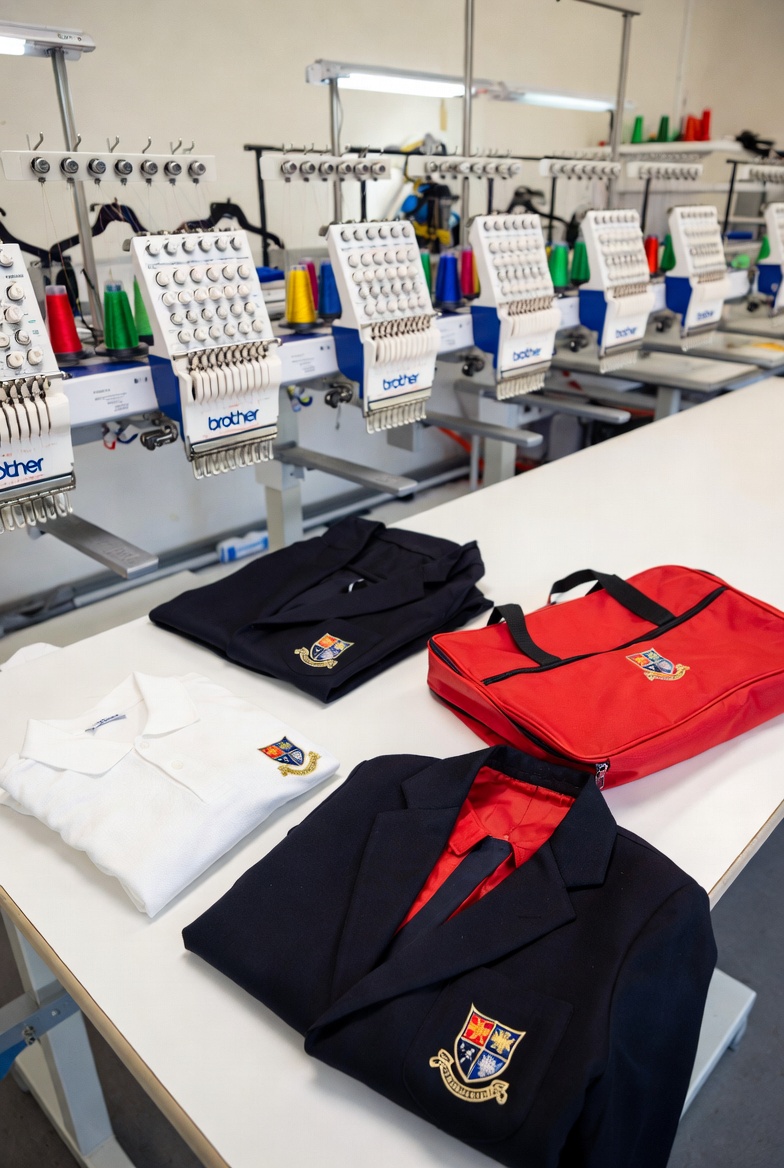
To address the new constraint, Lucy and Mark invested in a second Brother embroidery machine (a used PR680W multi-needle unit). With two machines running simultaneously and StitchFast eliminating the file creation bottleneck, the shop's monthly capacity reached 250 orders. Current monthly order volume stabilises at approximately 200-220 orders, generating £4,500-5,200 in monthly revenue with a healthy net profit after all costs including StitchFast's £29.99 monthly fee, Etsy fees, materials, and shipping.
Dispatch Speed and Customer Satisfaction
The most impactful customer-facing improvement has been dispatch speed. With stitch files generated in minutes rather than created over hours, Lucy can process orders the same day they are received. The shop's average dispatch time has dropped from 3-4 working days to 1 working day. For last-minute gift buyers — a large segment of the personalised gift market — this speed is the deciding factor in choosing Stitch & Gift over competitors.
Etsy's search algorithm rewards fast dispatch. Shops with shorter processing times receive higher placement in search results, which generates more organic traffic and reduces dependence on Etsy advertising. Since reducing dispatch time to one day, Stitch & Gift's organic search impressions have increased by approximately 45 percent, driving additional orders without additional marketing spend. The virtuous cycle of fast dispatch leading to better search rankings leading to more orders has been the primary growth engine for the business.
Customer satisfaction metrics reflect the improvement. The shop's review average is 4.9 stars across over 1,200 reviews, with dispatch speed and product quality cited most frequently in positive reviews. Returns and complaints have decreased since adopting StitchFast, which Lucy attributes to the more consistent stitch quality compared to her manual file creation — particularly on designs with small text where manual digitizing occasionally produced uneven letterforms.
Grey bars show the figure before StitchFast; green bars show after.
Seasonal Capacity
The personalised gift market is intensely seasonal. November and December account for approximately 40 percent of Stitch & Gift's annual revenue as Christmas orders surge. Before StitchFast, the Christmas period was a crisis of overwork — Lucy routinely worked 16-hour days through November and December, with the file creation backlog causing dispatch delays that generated negative reviews and customer complaints.
With StitchFast handling file creation, the Christmas season is still busy but manageable. Lucy and Mark plan production in advance, batch-process orders efficiently, and maintain their one-day dispatch commitment throughout the peak period. The 2025 Christmas season was the first in four years where not a single customer received their order late — a milestone that Lucy considers the single most important achievement in the business's history.
Advice for Etsy Embroidery Sellers
Lucy's advice to other Etsy personalisation sellers is emphatic: if you are creating stitch files manually, you are spending your most valuable hours on the least valuable task in your business. Your time is better spent designing new products, stitching orders, photographing listings, and engaging with customers. StitchFast handles the file creation faster and more consistently than manual methods, at a cost that is trivial compared to the value of the time it frees up.
For sellers considering the transition, Lucy recommends starting with a batch test: create your twenty most popular designs through StitchFast and compare them to your existing files. The quality comparison will likely surprise you, and the time comparison will make the decision obvious. The £29.99 monthly cost is recovered in the time saved on the first two or three orders of the month — everything after that is pure efficiency gain.
Etsy Algorithm and Search Ranking
For an Etsy seller, search ranking is everything. Etsy's search algorithm determines which products appear when a potential customer searches for "personalised baby blanket" or "custom embroidered Christmas stocking" — and the difference between appearing on page one and page three can mean the difference between five orders per day and zero. The algorithm considers dozens of factors, but among the most heavily weighted are listing quality score (driven by conversion rate and reviews), processing time (how quickly the seller dispatches orders), and recency of activity (how recently the listing has been updated or has received sales).
StitchFast has positively impacted all three of these ranking factors. The one-day dispatch time improved the processing time metric — Etsy displays the expected dispatch time prominently on each listing, and buyers overwhelmingly prefer sellers who can dispatch quickly, particularly for gifts where the delivery date matters. The improved stitch quality has boosted the review average and review rate, improving the listing quality score. And the increased order volume means listings are receiving more frequent sales activity, boosting the recency signal.
The compound effect of these ranking improvements has been dramatic. Lucy tracks her Etsy analytics daily and has documented a 45 percent increase in organic search impressions since adopting StitchFast. This increased visibility generates additional orders without any increase in advertising spend — essentially free growth driven by improved operational performance. Etsy advertising, which previously consumed approximately £200 per month, has been reduced to £80 per month while total sales have increased, indicating that organic traffic is displacing the need for paid promotion.
Design Template Library
Lucy has built a library of over 80 design templates in Canva that she uses to generate personalised designs for StitchFast. Each template is pre-configured with the layout, fonts, decorative elements, and colour scheme appropriate for a specific product type and occasion. When an order comes in, Lucy opens the relevant template, types in the customer's personalisation details (name, date, message, etc.), exports the PNG, and uploads it to StitchFast. The entire design-to-file process takes under three minutes per order.
The template library is organised by product category (baby, Christmas, wedding, birthday, teacher, new home) and garment type (blanket, stocking, hoodie, bag, bib). Each template has been tested through StitchFast to confirm that the output is consistently production-ready. Lucy tests new templates with five sample personalisations before adding them to the library, verifying that the StitchFast output handles different text lengths (short names versus long names, single-line versus multi-line text) without layout issues.
This systematised approach to design production is what enables Lucy to maintain a three-minute per-order throughput across 200+ monthly orders. The combination of Canva templates (eliminating design time) and StitchFast (eliminating digitizing time) has transformed what was previously a craft-based process requiring significant per-order effort into an efficient, repeatable production system. Lucy describes it as running a factory-in-miniature from her dining room — with the critical distinction that every product is unique and personalised, maintaining the artisanal value proposition that customers are willing to pay a premium for.
Returns, Errors, and Quality Control
In a personalisation business, the most common source of errors is not production quality but information accuracy — a misspelled name, an incorrect date, or a wrong colour choice. Lucy has implemented a double-check system where Mark independently verifies every order's personalisation details against the customer's submission before Lucy creates the design. This simple quality control step catches approximately three errors per month that would otherwise result in an incorrectly personalised product, a customer complaint, and the cost of a replacement item.
On the production quality side, StitchFast's consistency has nearly eliminated stitch-quality-related returns. In the twelve months before StitchFast, Lucy processed approximately 15 returns due to embroidery quality issues (uneven lettering, thread colour mismatches, visible puckering). In the twelve months since StitchFast, she has processed two — both related to fabric quality issues (a defective blank garment) rather than stitch file problems. The reduction from 15 to two quality-related returns per year represents both a direct cost saving (replacement materials and shipping) and an indirect benefit to her Etsy seller rating and review average.
The combination of StitchFast's consistent output and Lucy's systematic workflow has created a production process that scales without degrading quality. Each incremental order receives exactly the same level of design precision, stitch quality, and personalisation accuracy as every other order, regardless of whether Lucy is fulfilling her tenth order of the month or her two hundredth. This scalable quality is the foundation on which Stitch & Gift's reputation — and its 4.9-star Etsy rating — has been built.
Scaling Without Losing the Personal Touch
One of the challenges of scaling a personalised product business is maintaining the perception of individual attention as order volumes increase. Customers paying £28-45 for a personalised embroidered gift expect to feel that their order received personal care and attention — not that it was processed through a factory line. Lucy has been deliberate about maintaining this perception even as order volumes have grown to 200+ per month.
Every order includes a handwritten thank-you card from Lucy (she pre-writes a batch of cards each week, personalising them with the customer's name and the recipient's name). Each item is wrapped in tissue paper with a small branded sticker and placed in a protective bag before being boxed for shipping. These touches take approximately two minutes per order but create a presentation quality that customers photograph and share on social media — generating organic exposure that drives new sales.
StitchFast's role in maintaining the personal touch is indirect but significant. By eliminating the 67 hours per month previously spent on stitch file creation, StitchFast freed up the time that Lucy now invests in these finishing touches. The trade-off is clear: time previously spent on an invisible technical task (creating stitch files that the customer never sees) is now spent on visible personalisation elements (handwritten cards, premium packaging) that directly enhance the customer experience and drive reviews and referrals. The technology handles the technical work, freeing the human to do the human work.
Future Plans and Growth Ceiling
Lucy and Mark are actively planning the next phase of Stitch & Gift's growth. The current setup — two embroidery machines in their Cardiff home — has a practical ceiling of approximately 250 orders per month, limited by machine run time and the physical space available for production and storage. Exceeding this ceiling will require either moving to a dedicated production space (significantly increasing overhead) or outsourcing production to a third-party embroiderer (requiring stitch files to be shared externally).
Lucy is currently evaluating both options. The dedicated space option would increase monthly fixed costs by approximately £800 (rent, additional utilities, insurance) but would allow capacity to expand to 400-500 orders per month with three or four machines. The outsourcing option would maintain the current low-overhead model but introduces quality control and logistical complexity. In either scenario, StitchFast remains the digitizing backbone — the stitch files generated by the platform are equally suitable for production on Lucy's own machines or by an external partner.
The longer-term vision is to build Stitch & Gift into a recognisable brand within the personalised gift market on Etsy, maintaining the artisanal quality and personal touch that customers value while achieving the operational efficiency needed to serve a growing customer base profitably. StitchFast's role in this vision is foundational — it provides the scalable, consistent, cost-effective digitizing capability that makes growth possible without proportional increases in technical overhead. As Lucy puts it, StitchFast is the invisible engine that powers everything else the business does.