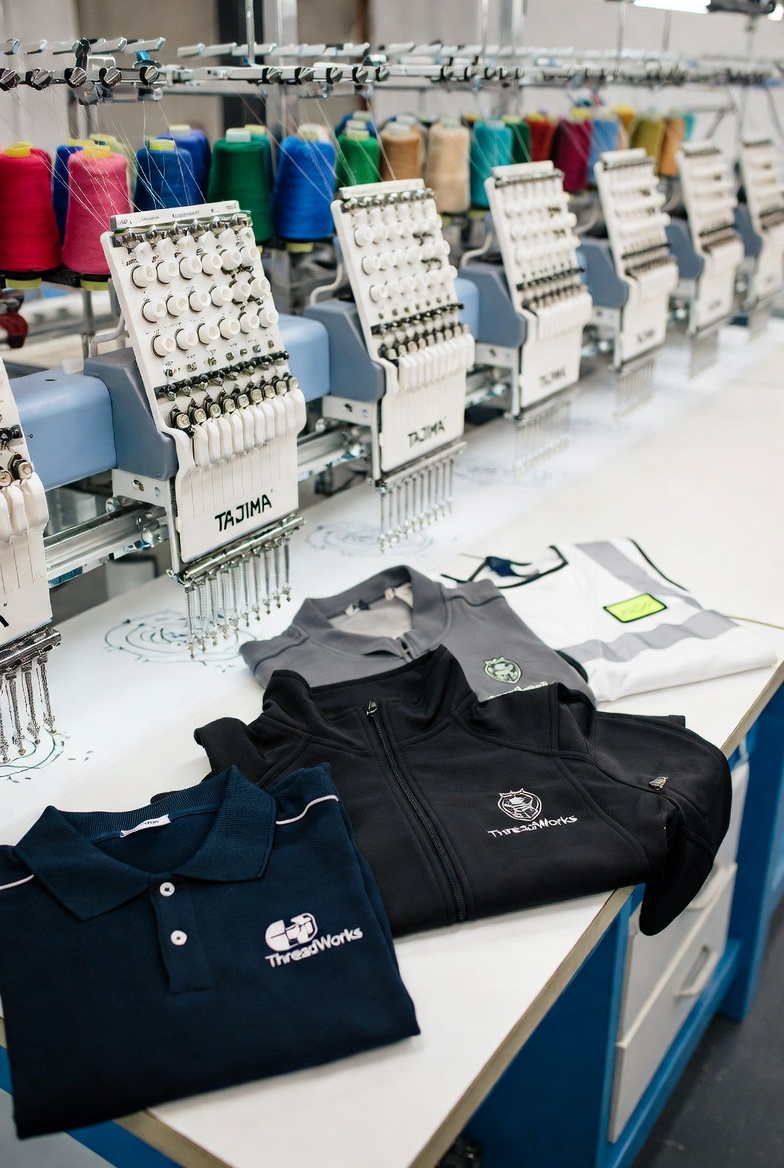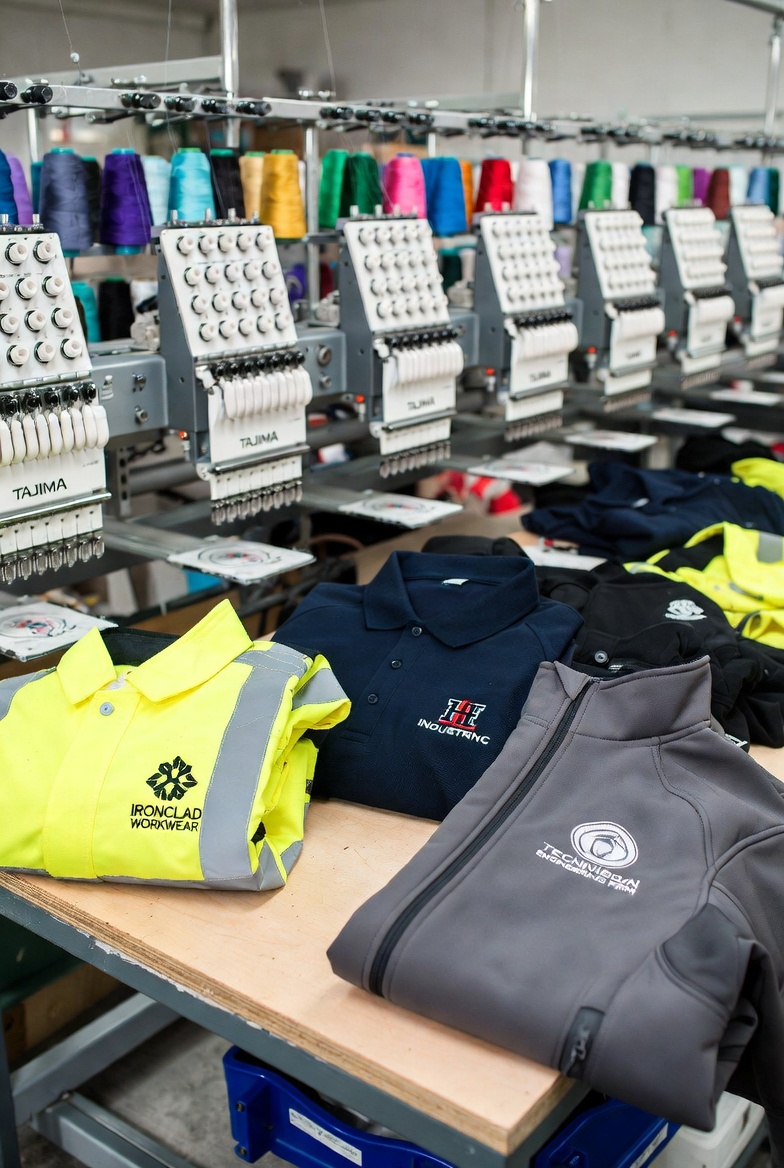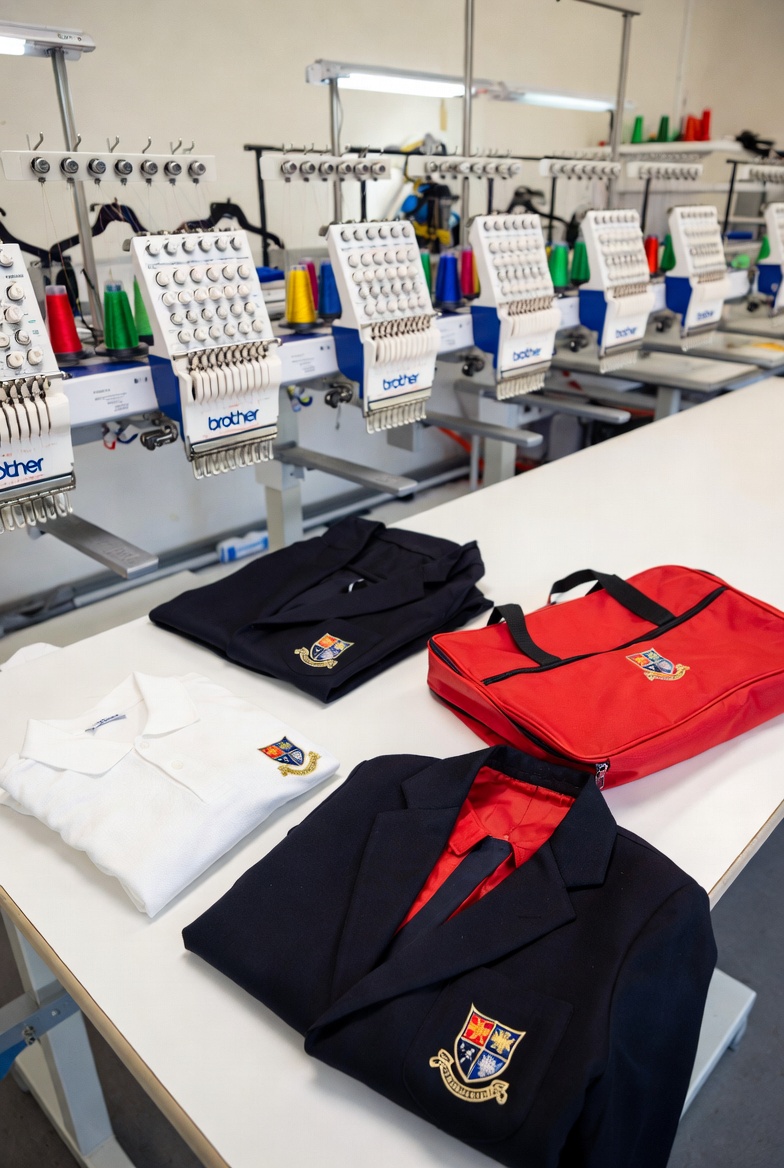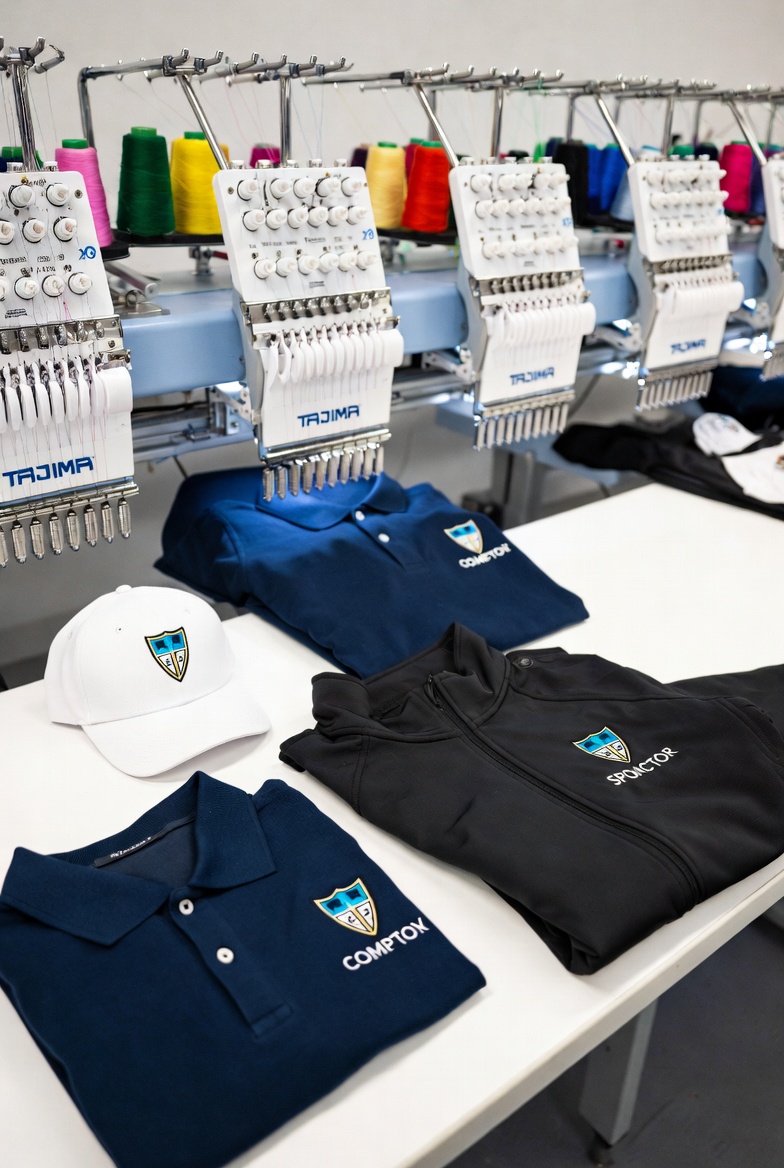
The Hospitality Branding Challenge
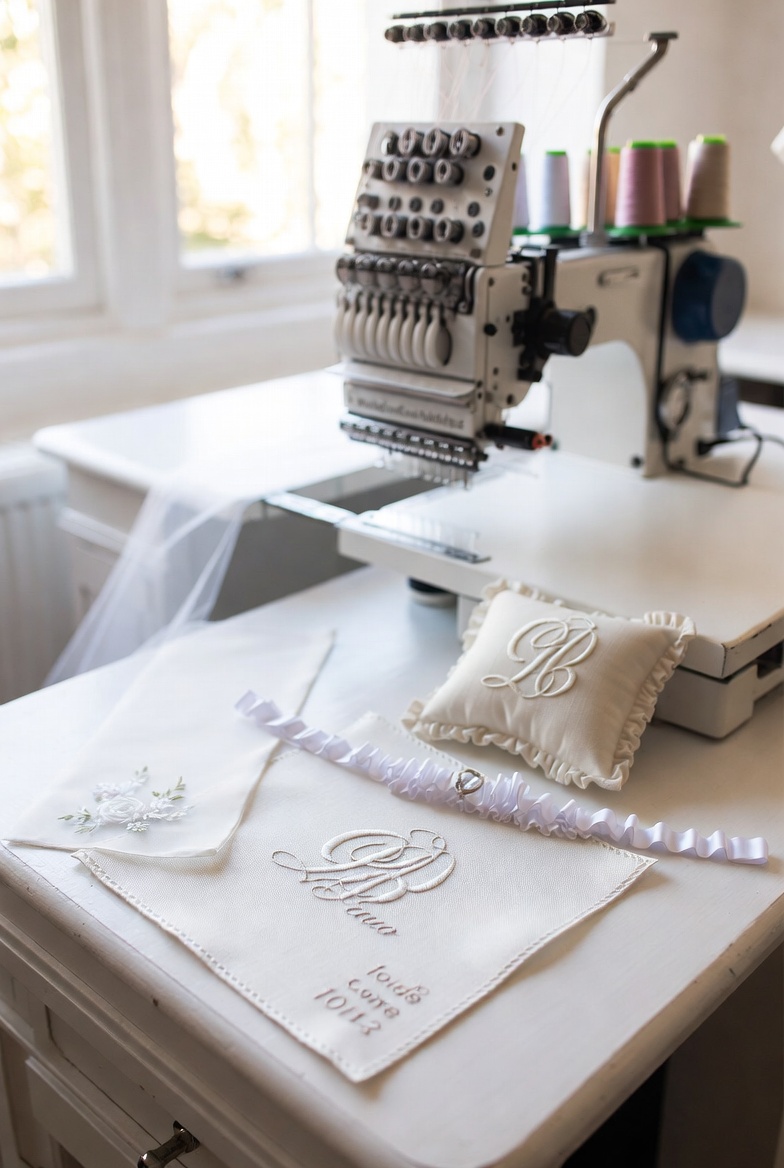
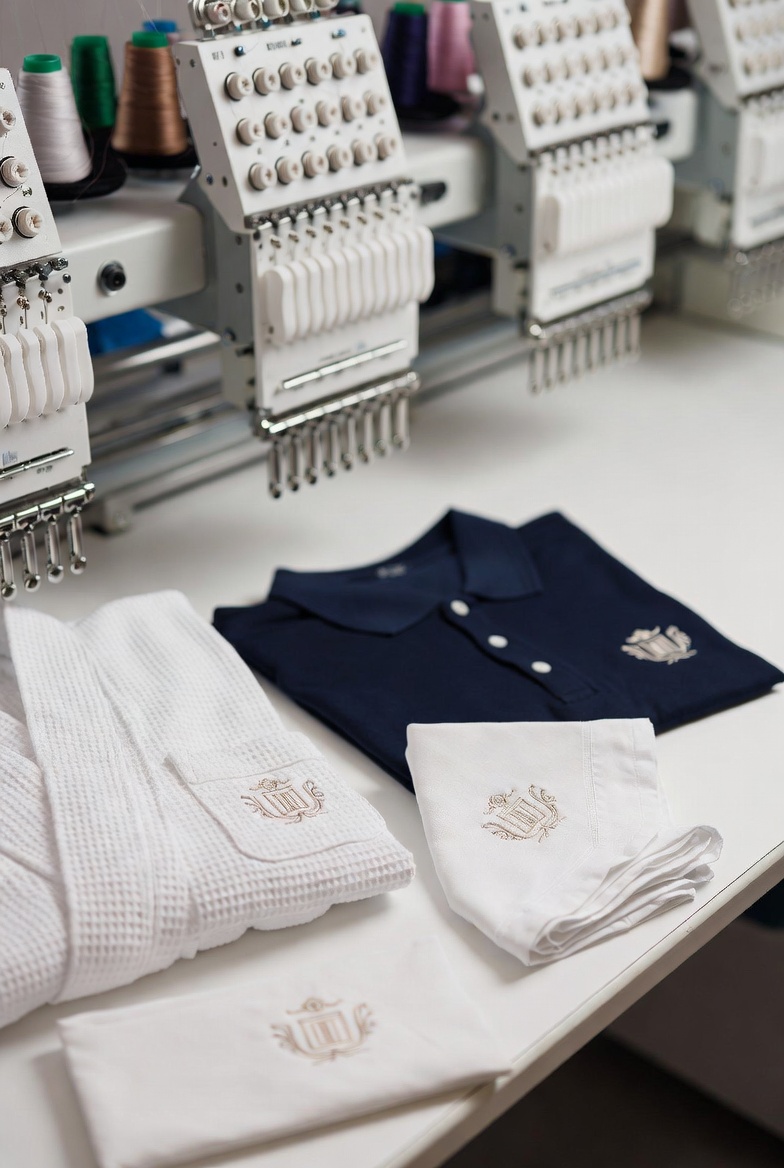
The Grand Hotel Group operates twelve boutique hotels and associated restaurants across Scotland, from a flagship property in Edinburgh's New Town through to country house hotels in the Highlands and coastal properties on the Fife coast. Each property maintains its own distinct character and décor, but all share the Group's overarching brand identity — a refined wordmark logo that appears on staff uniforms, guest bathrobes, bed runners, table linens, and various other textile touchpoints throughout the guest experience.
In luxury hospitality, embroidered branding on textiles is not decorative — it is a fundamental component of the guest experience. The weight of an embroidered logo on a bathrobe, the crispness of a monogram on a pillowcase, the precision of a crest on a waiter's jacket — these details communicate quality, attention, and care at a subconscious level. Guests in a £350-per-night hotel expect embroidered textiles, and the quality of that embroidery directly affects their perception of the property's standard.
The challenge for a multi-property hotel group is consistency. The Grand Hotel Group's logo must look identical whether it appears on a chef's jacket at the Edinburgh property, a spa robe at the Highland lodge, or a napkin at the coastal restaurant. Any variation in stitch density, thread colour, proportions, or overall quality between properties creates an inconsistency that undermines the brand. Guests who visit multiple properties — and the Group's loyalty programme actively encourages this — will notice differences, however subtle.
The Inconsistency Problem
Before adopting StitchFast, each of the twelve properties managed its own textile embroidery through local suppliers. The Edinburgh property used a well-established Scottish embroidery firm. The Highland properties used a regional supplier in Inverness. The Fife properties used yet another supplier in Dundee. Each supplier had digitized the Group's logo independently, using different software, different digitizing approaches, and different thread colour interpretations.
The result was subtle but noticeable variation across properties. The Edinburgh supplier's version used a slightly heavier satin stitch that appeared bold and defined on dark fabrics but overly dense on lightweight white cotton robes. The Inverness supplier's version had wider letter spacing that looked clean on large applications but became illegible on small items like napkin corners. The Dundee supplier's colour match was perceptibly different — the gold thread was warmer-toned compared to the cooler gold used at other properties.
An internal brand audit conducted in late 2024 photographed the logo as it appeared across all twelve properties on identical item types (white bathrobes, navy polo shirts, and white table napkins). When the photographs were displayed side by side, the variation was immediately apparent — and unacceptable for a brand positioning itself in the luxury segment. The Group's brand director, Fiona Campbell, was tasked with achieving complete consistency across all properties within six months.
The StitchFast Solution
Fiona's approach was to centralise digitizing through a single platform that would produce identical stitch files for every property, eliminating the supplier-to-supplier variation that had caused the inconsistency. StitchFast was evaluated alongside two other options: hiring a single digitizing specialist to create master files, and engaging a premium UK digitizing bureau for the same purpose.
The single specialist option was rejected due to single-point-of-failure risk — the same dependency on one individual that had caused problems at other businesses. The premium bureau quoted £45 per design variant and a six-week timeline to digitize all variants across all textile types. StitchFast offered unlimited digitizing at £29.99 per month with instant turnaround. Fiona chose StitchFast after a quality evaluation confirmed that the AI-generated files met the Group's standards for luxury textile embroidery.
The quality evaluation was rigorous. Fiona tested StitchFast's output on every textile type used across the Group's properties: 400gsm Turkish cotton bathrobes, 200-thread-count Egyptian cotton bed linen, polyester-cotton blend chef whites, wool-blend suit fabric for front-of-house staff, and damask table napkins. Each textile presented different challenges — varying fabric weight, stretch, surface texture, and colour — and the stitch file needed to produce a consistent result across all of them. StitchFast generated separate optimised files for each textile type, and the results were consistent across all twelve test batches.
Centralised Production and Distribution
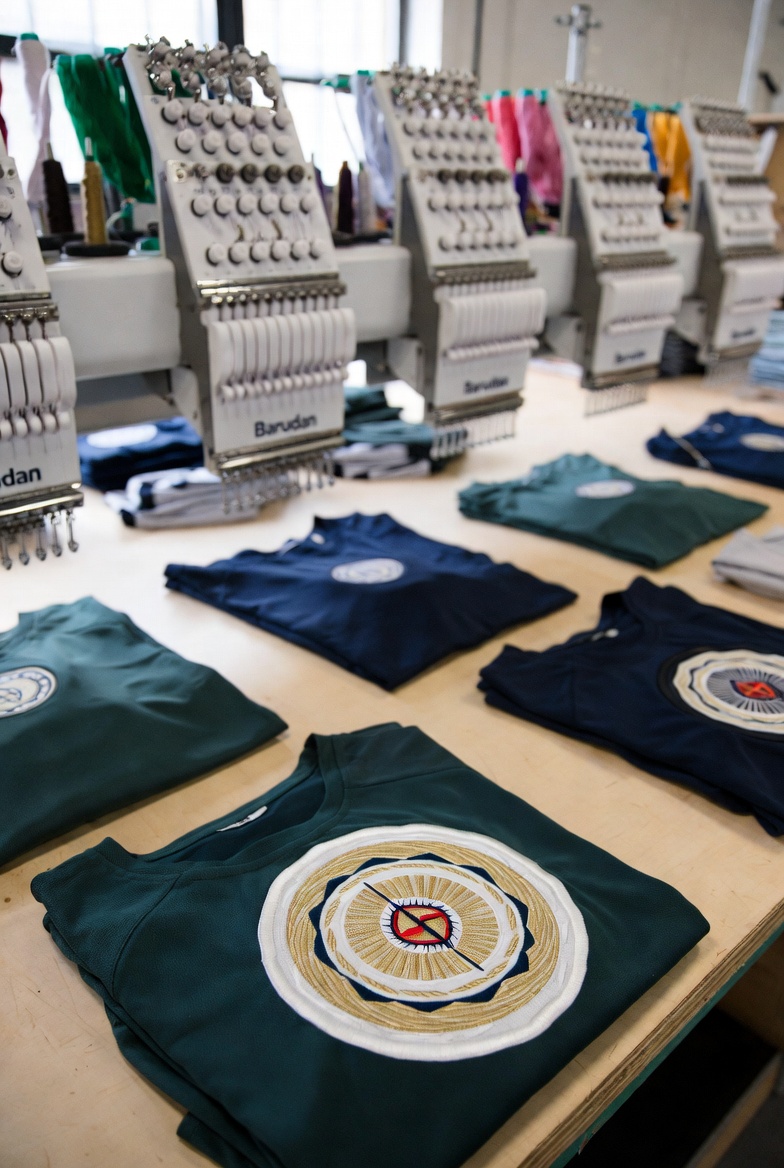
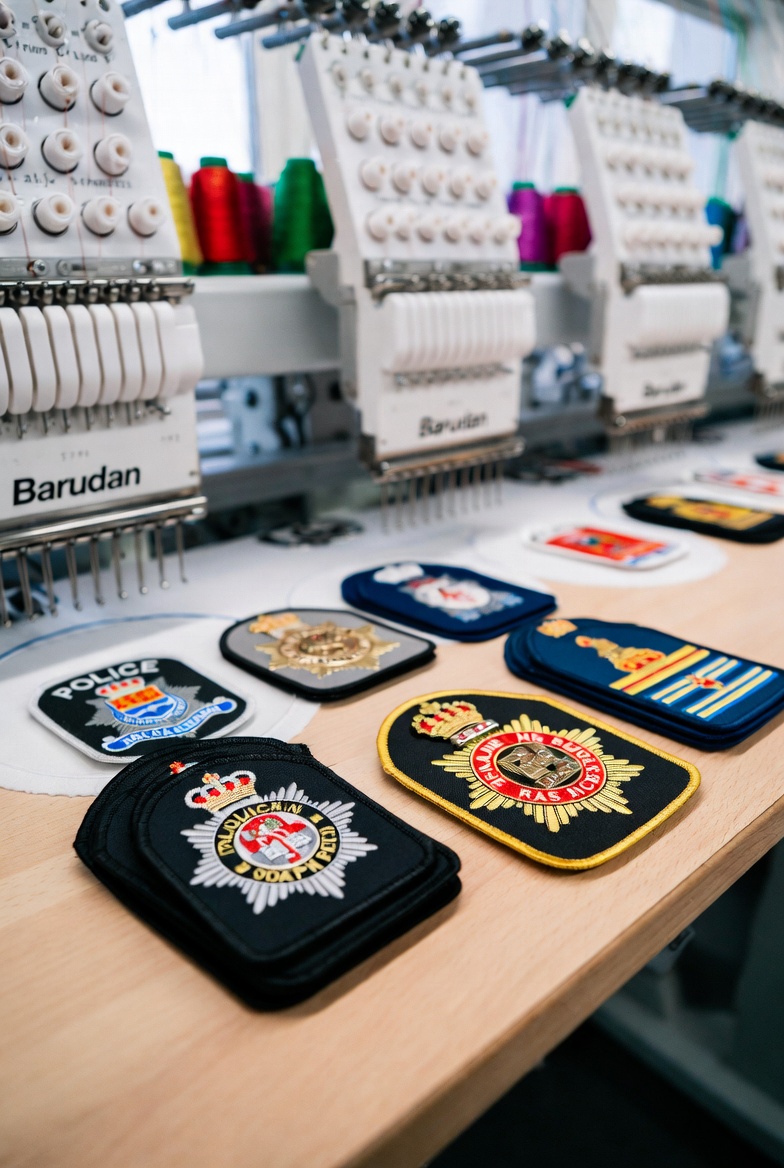
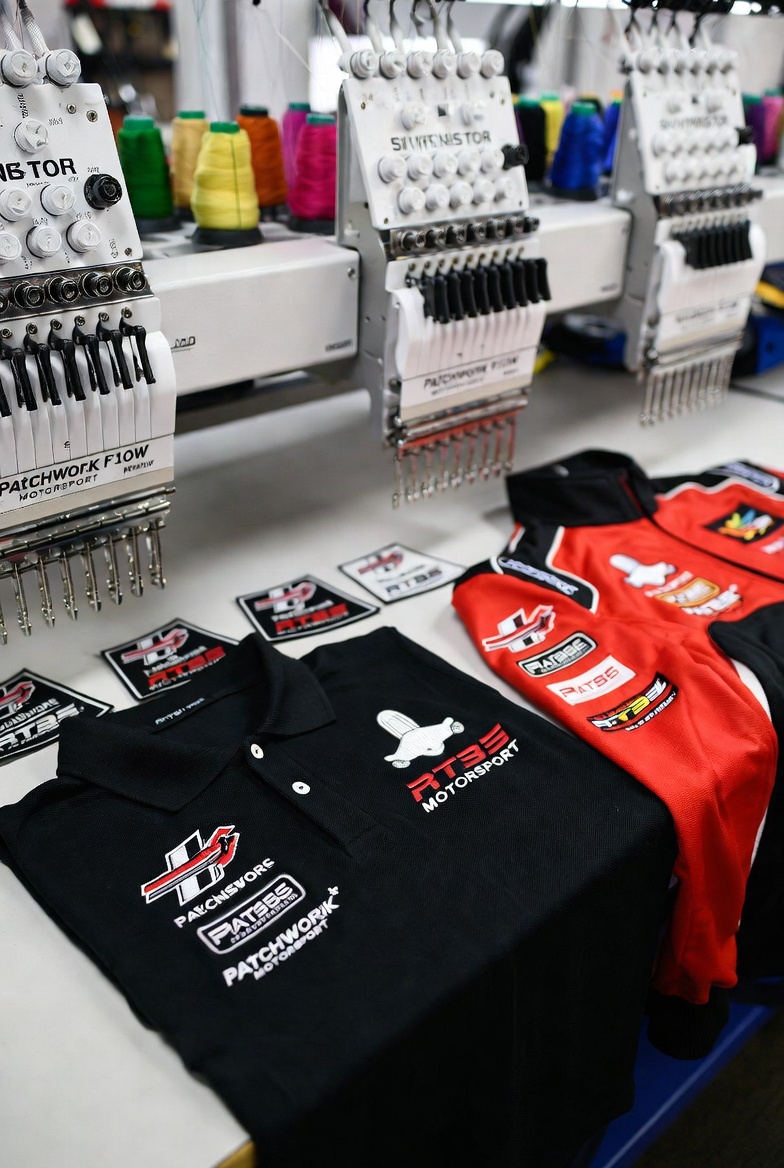
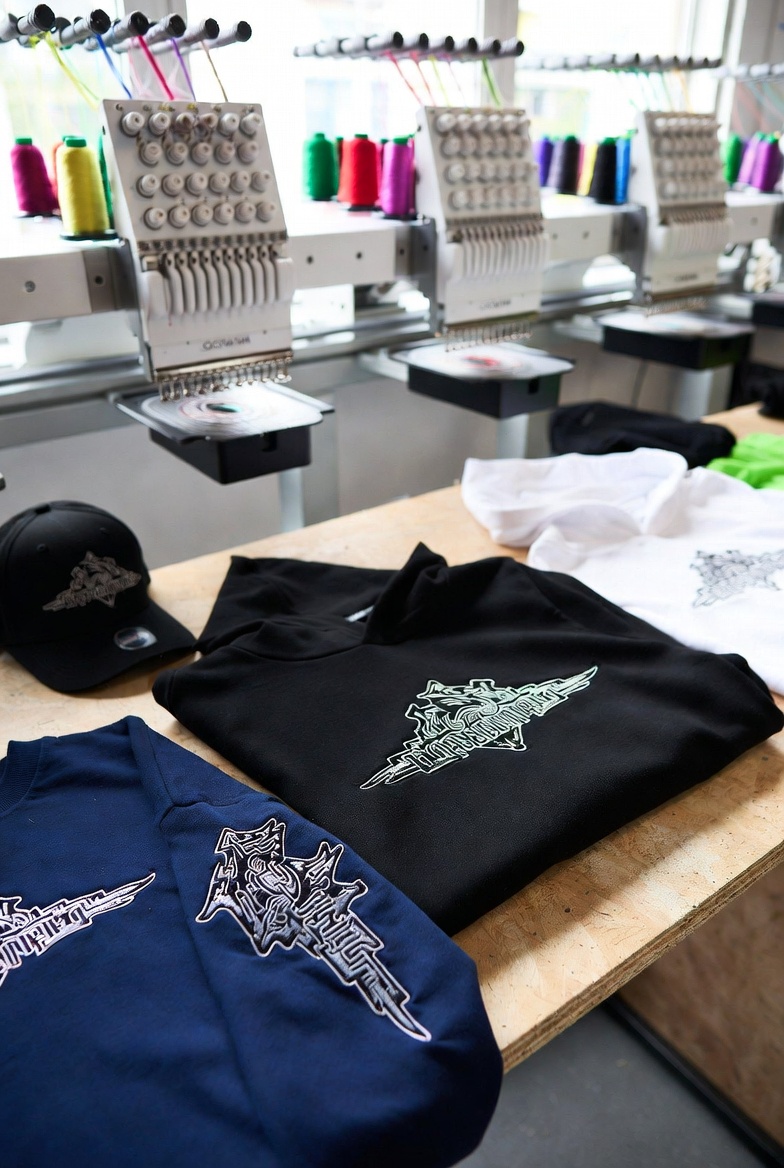
The Group implemented a centralised embroidery programme, contracting a single embroidery supplier (the Edinburgh firm, selected on the basis of their quality and capacity) to produce all embroidered textiles for all twelve properties using exclusively StitchFast-generated files. This eliminated the multi-supplier variation at source. The Edinburgh supplier runs production using the exact same DST files for every property, ensuring that the logo stitched on a bathrobe in Edinburgh is thread-for-thread identical to one destined for the Highland lodge.
When new textile items are introduced to the Group's inventory — a new style of napkin, a different weight of chef jacket, or a seasonal promotional item — Fiona generates the appropriate stitch file through StitchFast within minutes and sends it to the production supplier. No external digitizing delay, no quality variation, no cost per design. The Unlimited plan covers all the Group's digitizing needs for £360 per year — less than the cost of a single night's accommodation at the Edinburgh flagship.
Expanding the Programme
With the core brand logo standardised, the Group has expanded its embroidered branding programme to include property-specific elements. Each of the twelve hotels now has its own embroidered sub-brand mark — typically the property name in a consistent typographic style — that appears alongside the Group logo on certain items. Additionally, the restaurant division has introduced embroidered chef's names on jacket pockets, embroidered seasonal menu motifs on table settings, and personalised embroidered guest amenities for repeat VIP visitors.
This expansion would have been prohibitively expensive under the previous multi-supplier model. Digitizing twelve property marks, multiple chef name styles, seasonal motifs, and VIP personalisation items would have generated dozens of digitizing fees per quarter. With StitchFast Unlimited, the entire programme runs at zero incremental cost per design. Fiona estimates the annual saving compared to the previous model at approximately £14,000, accounting for both the elimination of per-design fees and the reduction in supplier management overhead.
Guest Experience Impact
The consistency programme has had a measurable impact on guest satisfaction scores. The Group's post-stay survey includes a question about "attention to detail and quality of furnishings," and scores on this metric have improved by 8 percent since the embroidered branding standardisation was completed. While multiple factors contribute to this metric, the brand director attributes a significant portion of the improvement to the elimination of visible quality variation across properties.
More tellingly, the Group's mystery guest programme — where professional evaluators stay at each property anonymously and assess every aspect of the experience — specifically noted in their most recent reports that embroidered branding was "consistently excellent and uniform across all properties visited." This assessment stands in contrast to the previous year's reports, which had flagged embroidery quality variation as an area for improvement.
Operational Simplicity
For Fiona Campbell, the primary benefit of StitchFast is operational simplicity. Managing twelve properties' textile branding through a single platform with instant output has reduced what was previously a complex multi-supplier coordination exercise to a straightforward internal process. New designs are generated in minutes, not days. Quality is guaranteed by the consistency of the AI output, not dependent on whichever digitizer happens to handle the file. And the cost is predictable, fixed, and minimal.
The Grand Hotel Group's experience demonstrates that StitchFast is not limited to high-volume manufacturing environments. In hospitality, where the volume of unique designs may be modest but the quality standard is uncompromising and consistency across locations is essential, the platform delivers equal value. For any multi-site hospitality brand struggling with embroidered branding consistency, StitchFast offers a simple, cost-effective solution that centralises quality control without adding complexity.
Textile Quality Standards in Luxury Hospitality
The quality requirements for embroidered textiles in luxury hospitality are among the most stringent in any embroidery application. A guest paying £350 per night expects flawless execution in every detail they touch — and embroidered textiles are among the most tactile touchpoints in the hotel experience. The logo on a bathrobe is pressed against the guest's skin. The monogram on a pillowcase is inches from their face. The crest on a napkin is examined while the guest waits for their meal. Any deficiency in stitch quality — a loose thread, a visible jump stitch, an uneven fill area, or a colour that does not quite match the brand standard — is noticed and judged.
The Grand Hotel Group's brand guidelines specify exact standards for embroidered elements: thread colours must match Pantone 7483 (the brand's signature deep green) and Pantone 7403 (the accent gold) within a tolerance of half a shade. Stitch density must be consistent across all applications, with no visible fabric showing through fill areas. Borders must be crisp satin stitch with no notching or stepping. The reverse side of the embroidery must be clean and free of excessive jump stitches that could create bulk or discomfort on skin-contact items like bathrobes and pillowcases.
StitchFast's output consistently meets these standards. The thread colour matching is accurate enough that Fiona has not needed to manually override colour suggestions on any production file. The stitch density is appropriate for each fabric type — lighter on sheer cotton lawn bed accessories, heavier on thick Turkish cotton bathrobes. The reverse side of each design is clean, with jump stitches minimised through efficient pathing algorithms that reduce thread travel between colour regions. These technical details, while invisible to the average guest, are the foundation of the premium experience that justifies the Group's pricing.
Seasonal and Promotional Applications
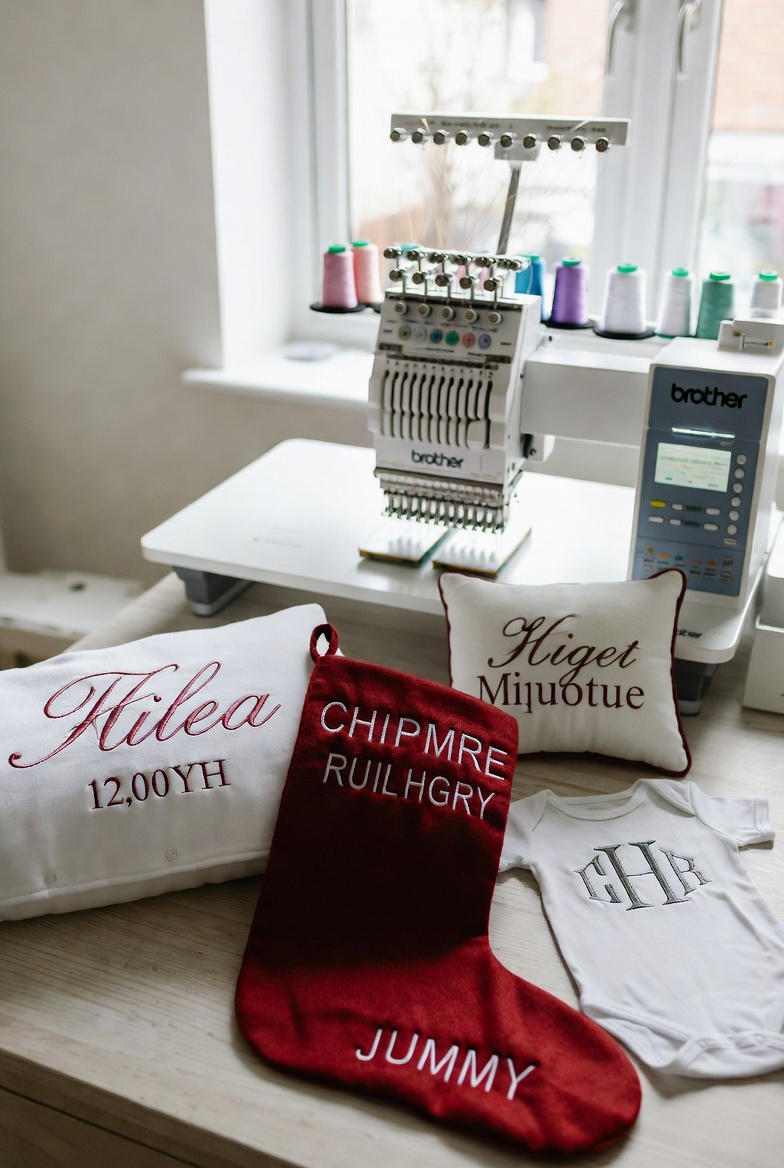
The Grand Hotel Group's marketing strategy includes seasonal and promotional embroidered elements that change throughout the year. Christmas brings embroidered seasonal motifs on dining room napkins and table runners. Valentine's Day features heart-and-initial designs on room amenity packages for couples' breaks. The Highland properties introduce tartan-themed embroidered elements for Burns Night celebrations. The coastal properties use nautical motifs for summer programmes. Each seasonal application requires new stitch files, and the frequency of change means that the total number of unique designs generated annually far exceeds the core brand logo variants.
Before StitchFast, seasonal embroidered elements were limited by the cost and turnaround of outsourced digitizing. Each seasonal design cost £35-50 to digitize, and the lead time meant designs had to be commissioned weeks in advance — limiting the marketing team's ability to respond to trends or create last-minute promotional opportunities. With StitchFast Unlimited, the marketing team can commission seasonal embroidered elements with no lead time constraint and no cost barrier. A creative idea for a Valentine's Day promotion can go from concept to embroidered product in a single day.
This agility has been particularly valuable for the restaurant division, which uses embroidered elements as part of immersive dining experiences. A recent tasting menu event at the Edinburgh property featured bespoke embroidered napkins with each course's name and a small botanical illustration relevant to the key ingredient. Ten unique napkin designs were created in a single afternoon using StitchFast, at a total cost of zero (the Unlimited plan covers all usage). Under the previous model, this level of bespoke detail for a single evening's event would have been prohibitively expensive and logistically impossible.
Return on Investment Analysis
The Grand Hotel Group's finance team conducted a formal ROI analysis six months after the StitchFast adoption, comparing the total cost of the new centralised embroidery programme against the previous multi-supplier model. The analysis accounted for direct digitizing cost savings, reduced supplier management overhead (measured in staff hours redirected from supplier coordination to other tasks), improved production efficiency (faster turnaround reducing expedited shipping costs for urgent orders), and the revenue impact of the expanded branded textile programme.
The direct cost saving — approximately £14,000 per year — was the smallest component of the ROI. The staff time saving (estimated at £8,500 per year based on the hourly cost of the brand manager's time previously spent on supplier coordination) and the revenue impact of the expanded branded textile programme (estimated at £12,000 per year in incremental guest amenity revenue and enhanced package pricing) brought the total annual benefit to approximately £34,500. Against an annual cost of £360 for StitchFast Unlimited plus approximately £2,000 in additional production costs for the expanded programme, the net annual benefit exceeds £32,000 — a return on investment that the finance team described as exceptional for a technology adoption of this scale.
Staff Uniform Programme
The staff uniform programme is the largest volume application of the Group's embroidered branding, encompassing approximately 800 staff across twelve properties. Each staff member receives a uniform package that includes embroidered polo shirts, blouses or shirts, fleeces or cardigans, and aprons (for food and beverage staff). The uniform refresh cycle is annual, with new garments issued each January. Additional garments are provided throughout the year for new starters, replacements for worn items, and seasonal variations (lighter fabrics for summer, heavier for winter).
The annual uniform procurement — approximately 4,000 embroidered garments — was previously managed on a per-property basis, with each hotel's general manager placing orders with their local embroidery supplier. This decentralised approach was the root cause of the brand inconsistency that the StitchFast adoption addressed. Different suppliers, different stitch files, different thread interpretations — the inevitable result was that a receptionist at the Edinburgh property wore a visibly different shade of the Group logo than a concierge at the Highland lodge.
Centralising the uniform programme through a single production supplier using exclusively StitchFast-generated files has not only achieved brand consistency but also generated significant cost savings through volume consolidation. A single annual order of 4,000 garments attracts substantially better pricing from both the garment supplier and the embroidery producer than twelve separate orders averaging 330 garments each. Fiona estimates the annual saving from volume consolidation at approximately £6,500, in addition to the £14,000 saved on digitizing costs — bringing the total financial benefit of the centralised programme to over £20,000 per year.