Upload Your Design
Drag and drop any PNG, JPG, or SVG. Logos, text, artwork, badges.
Running an embroidery operation in Lancaster? StitchFast handles the digitizing so you can focus on production. AI converts logos and artwork to stitch files with proper fill, outline, and underlay stitches. Adjustable settings for every parameter. Consistent results every time. From £3.50 per design. 24/7 availability.
Embroidery in Lancaster
Lancaster serves as a regional centre for embroidery services across North Lancashire, supporting businesses from Morecambe Bay to the Forest of Bowland and extending south towards Preston. The city's diverse economy creates steady demand for embroidered workwear and branded merchandise, particularly from Lancaster University with its 15,000 students requiring society hoodies and sports kit, the large BAE Systems facility producing maritime defence equipment, and the thriving tourism sector along the Lancaster Canal and historic quarter. Local manufacturing companies, NHS trusts including the Royal Lancaster Infirmary, and the expanding digital and creative industries clustered around the university all require professional embroidered uniforms and corporate clothing.
The surrounding areas of Carnforth, Kirkby Lonsdale, and the Lune Valley rely on Lancaster for specialised textile services, with particular demand for outdoor and agricultural workwear reflecting the region's rural character. Local schools across the district require embroidered blazer badges and PE kit, while the hospitality sector serving tourists visiting Lancaster Castle and the Lake District approaches benefits from quality embroidered chef whites and front-of-house uniforms. The city's position as a transport hub, with major rail connections and proximity to the M6, makes it an ideal base for serving embroidery requirements across the wider Lancashire and South Cumbria region.
How It Works
No software to install. No embroidery experience needed. Works on any device.
Drag and drop any PNG, JPG, or SVG. Logos, text, artwork, badges.
AI assigns stitch types, calculates density, applies pull compensation, matches Madeira thread codes.
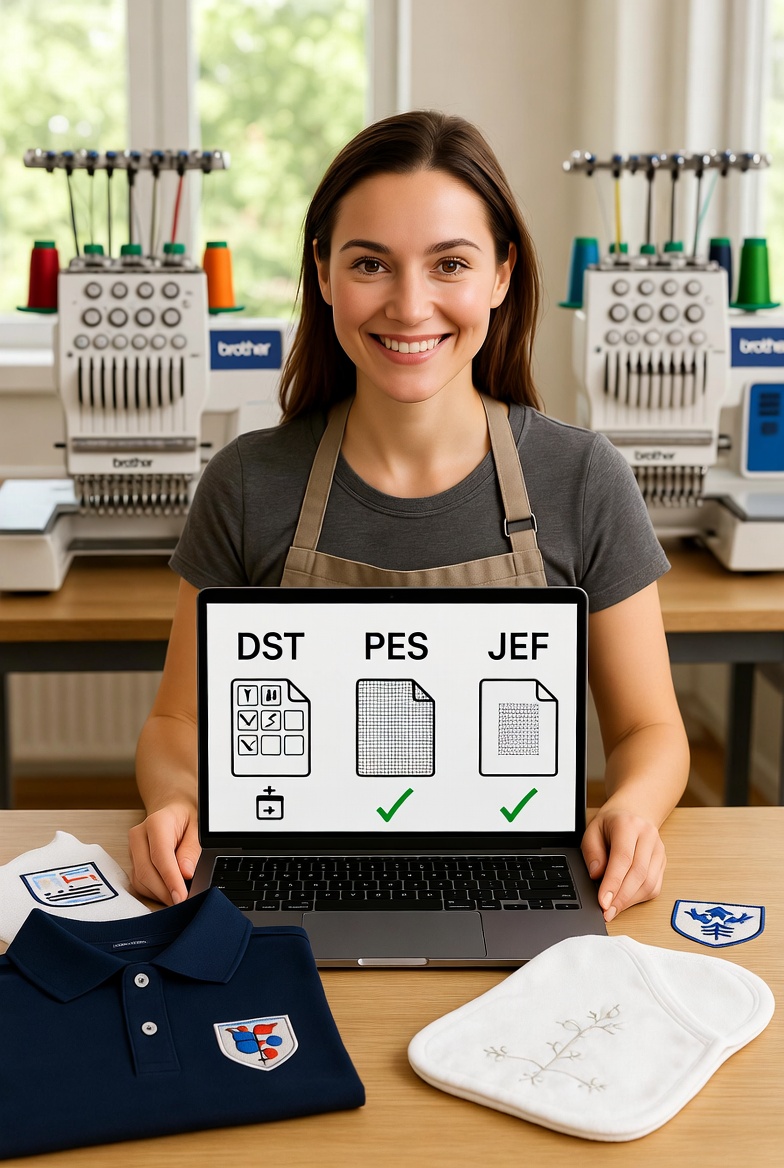
Get DST, PES, JEF, EXP, VP3, HUS, XXX. Preview stitches. Load into your machine and stitch.
Understanding Digitizing
Two types of tools claim to convert images to embroidery files. The first type — format converters — can only convert between existing embroidery formats, such as PES to DST. They cannot digitize an image. The second type — auto-tracers — trace the outline of an image and fill it with uniform stitches, ignoring underlay, pull compensation, stitch angle optimisation, and density calibration. The results are often unusable on fabric.
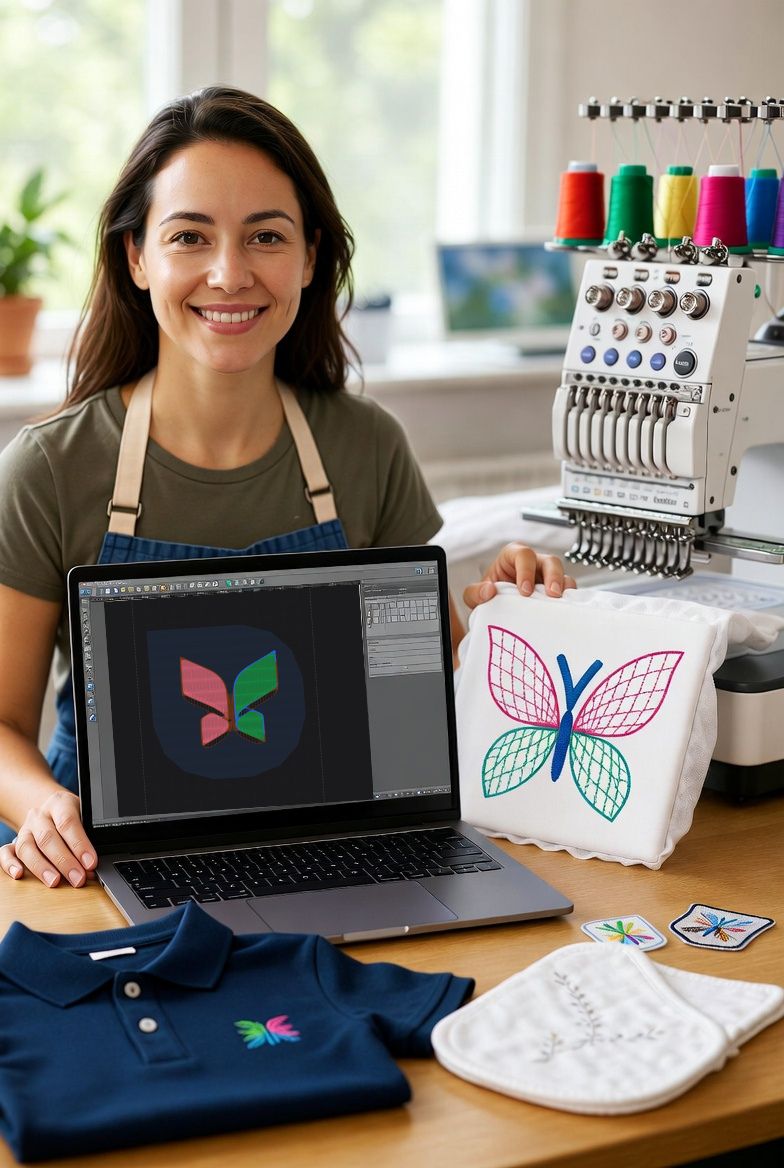
StitchFast is neither. It performs genuine AI digitizing: analysing the image to identify regions, assigning stitch types per region (tatami fill for large areas, satin for narrow columns, running stitches for fine detail), calculating optimal stitch angles, generating proper underlay, and applying pull compensation. The output is a proper binary embroidery file — whether you need DST for Tajima, PES for Brother, or any other format — with thousands of precisely plotted stitch coordinates, jump and trim commands, and colour change stops. This is what embroiderers in Lancaster need to go from image to machine without a human digitizer in the middle.
Why StitchFast
Manual digitizers produce excellent work for complex, multi-layer designs. But the honest reality is that approximately 80%% of commercial embroidery work in Lancaster is standard logo reproduction: company logos on polo shirts, team crests on training kits, brand names on workwear, hotel logos on aprons. These designs are typically 2-8 colours with clean edges and solid fills — exactly what AI digitizing handles best.
Smart embroidery businesses in Lancashire are using StitchFast for the routine work — the left chest logos, the cap fronts, the standard workwear — and reserving manual digitizers for the rare complex jobs that genuinely need human expertise. The result is faster turnaround, lower costs, and consistent quality on the work that makes up the bulk of their revenue.
Use Cases
Left chest logos are the single most common embroidery job in Lancaster. Every corporate polo, staff shirt, and branded uniform needs a logo on the left chest. These designs are typically 8-10cm wide, 2-6 colours, with clean shapes and text. They are the ideal use case for AI digitizing because the design characteristics — solid fills, defined edges, limited colour palette — are exactly what produces the cleanest stitch output. Upload the logo, set your hoop size to 4x4 or 5x7 inches, and download. One credit, all 7 formats.
Schools and colleges across Lancashire need blazer badges, PE kit logos, house crests, and branded accessories digitized every year as new students join and uniforms are ordered. The repeating nature of school embroidery makes AI digitizing particularly cost-effective: digitize the badge once, use it for every order. The unlimited plan is ideal for school uniform suppliers handling multiple schools.
What You Get
No tiers. No feature gates. Every feature on every design.
Fill, satin, and running stitches assigned per region. Angles optimised for thread coverage.
Automatic edge overshoot so fill areas maintain correct dimensions on fabric. Technical guide →
Every colour matched to a real Madeira Rayon thread number for exact spool selection. Thread guide →
Preview the design stitching out in real time, colour by colour, before downloading.
DST, PES, JEF, EXP, VP3, HUS, XXX from every upload. No extra charges. Format guide →
Adjust hoop size, density, stitch length, underlay, pull comp, and max colours.
Best Practices
StitchFast gives you control over several settings that affect the final output. Fill density (2-8 lines per millimetre) controls how closely the fill rows are packed together. Higher density produces more solid coverage but increases stitch count and production time. For standard cotton garments, 4 lines/mm is a good default. For badges and patches, increase to 6-8. For stretchy fabrics, decrease to 3-4.
Pull compensation (0-1mm) controls how much the AI overshoots edges to counteract thread tension. For standard fabrics, 0.3mm is a good starting point. For heavy workwear fabrics with higher tension, increase to 0.5-0.7mm. If you notice shapes shrinking on test stitch-outs, increase pull compensation.
Comparison
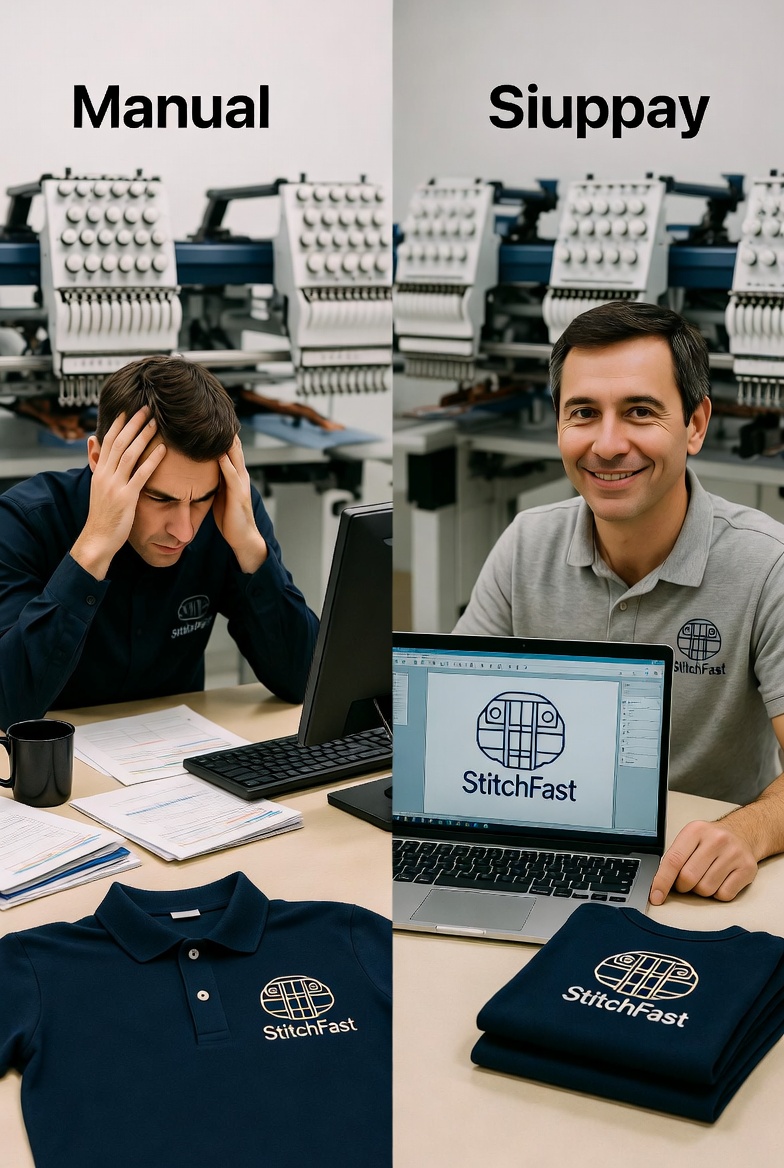
Most digitizers charge £5–£15 per design and take 24–48 hours. See the hidden cost of cheap digitizing.
| StitchFast | Manual Digitizer | |
|---|---|---|
| Cost per design | From £3.50 | £5–£15 |
| Turnaround | <60 seconds | 24–48 hours |
| Revisions | Unlimited | Extra charge |
| Pull compensation | Automatic | Manual |
| Thread codes | Madeira | Sometimes |
| Output formats | 7 formats | 1–2 formats |
| Stitch preview | Live simulation | Static image |
| Availability | 24/7 | Business hours |
| 10 designs / month | £29.99 unlimited | £50–£150 |
Pricing
Buy credits or go unlimited. Credits never expire.
Compatibility
If you operate in Lancaster and use Janome machines, download JEF files. JEF is Janome's native format and will load correctly on every Janome and Elna embroidery machine. Like PES, JEF includes thread colour data for on-screen display. StitchFast generates JEF alongside six other formats from every upload.
Before & After
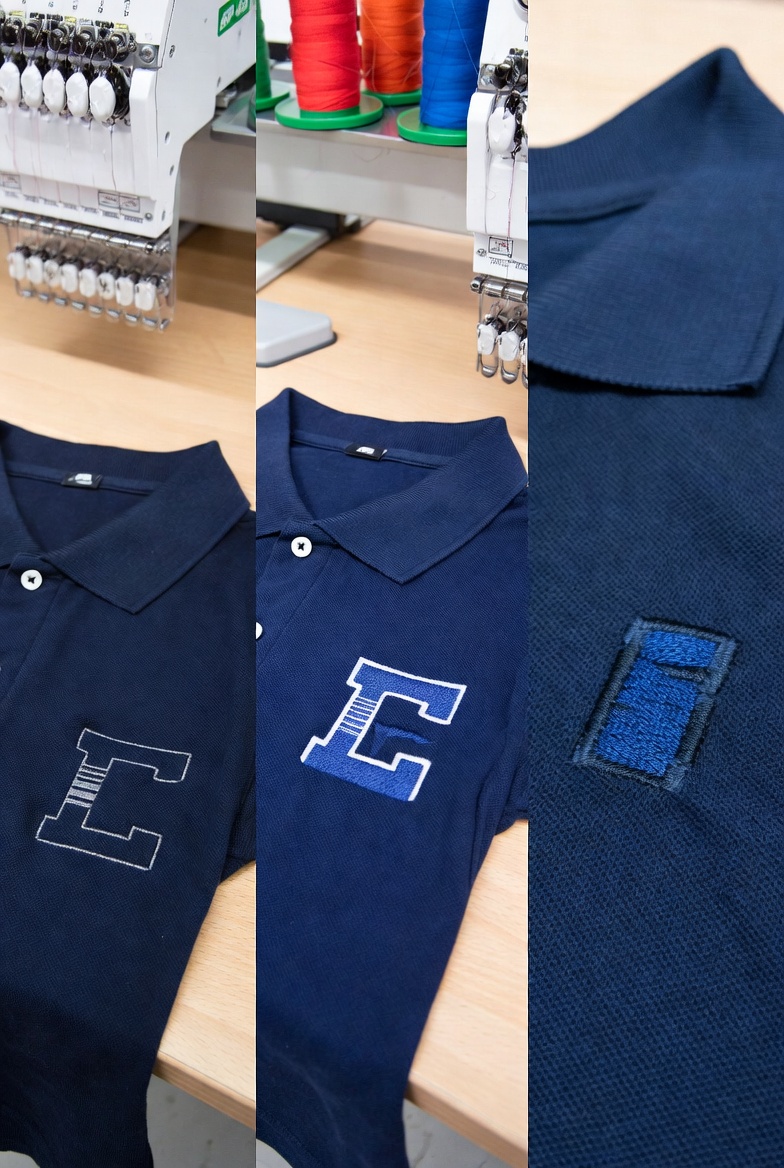
Drag the slider to see the transformation. Your image goes in — a production-ready embroidery file comes out.

Reviews
Rated 4.8 out of 5 from 312 users.
FAQ
Common questions about embroidery digitizing in Lancaster and Lancashire.
Pull compensation counteracts thread tension that naturally pulls fabric inward during stitching. Without it, fill areas shrink and shapes distort — a circle becomes an oval, text gets narrower. StitchFast applies pull compensation automatically (adjustable 0-1mm) so your design stitches out at the correct dimensions.
Embroidery digitizing is the process of converting a digital image into a file that an embroidery machine can read. It involves analysing the image, assigning stitch types to different areas, calculating stitch density and angles, adding underlay for fabric stability, and generating the binary file format your machine requires.
Yes. StitchFast generates proper binary embroidery files compatible with every major machine brand. DST works on Tajima, Barudan, SWF, Happy, and most commercial machines. PES works on Brother and Babylock. JEF works on Janome and Elna. All seven formats are tested and production-ready.
StitchFast supports 2-16 colours per design. For most commercial embroidery, 4-8 colours produces the best balance between visual fidelity and production efficiency. Each colour becomes a separate thread colour with a colour change command in the embroidery file.
Yes. StitchFast includes a real-time stitch simulation that shows every stitch path rendered on a virtual hoop with grid lines. You can watch the design stitch out colour by colour with adjustable playback speed. The thread list shows each Madeira colour code with stitch counts.
Yes. Cancel anytime from your dashboard with no cancellation fees. Your access continues until the end of your current billing period. No lock-in, no penalty.
Yes. StitchFast is a web-based tool used by embroiderers in Lancaster, across Lancashire, and worldwide. Upload your design from any device with a browser and download production-ready stitch files in under 60 seconds. There is no software to install and no embroidery experience needed.
Most designs are digitized in under 60 seconds. There is no queue, no waiting, and no business hours restriction. Upload at midnight from Lancaster, download at midnight. Complex designs with many colours may take slightly longer.
For standard logos, text, and clean artwork — approximately 80%% of commercial embroidery work — StitchFast is faster, cheaper, and more consistent than manual digitizing. For complex multi-layer designs with 3D puff, applique, or very fine detail, a manual digitizer may produce better results.
Yes. Every colour in your design is automatically matched to a real Madeira Rayon thread number. The thread list is displayed in the stitch preview and can be handed to machine operators or customers so they know exactly which spool to buy.
Case Studies
See how embroidery businesses cut costs and scale with AI digitizing.
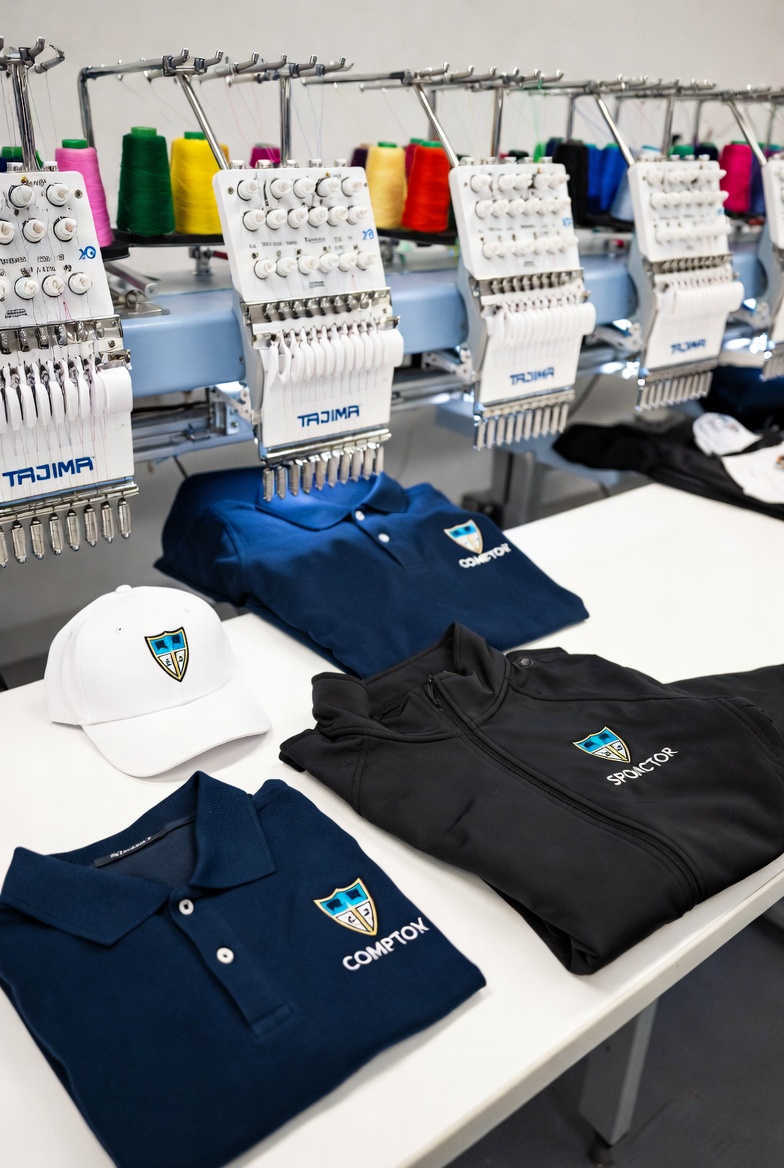
A Leeds promotional merchandise company processing 1,400+ unique client logos per year eliminated their entire five-day digitizing queue overnight using StitchFast — saving over £35,000 annually.
Read Case Study →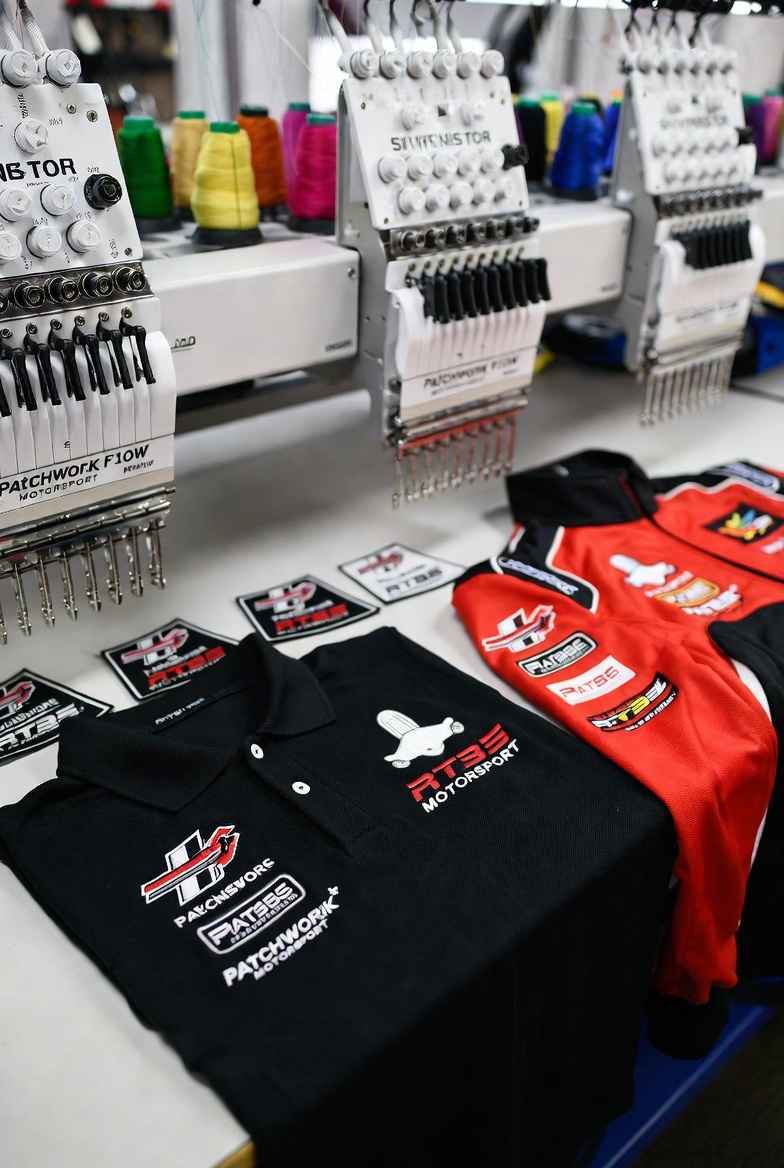
A Silverstone-based motorsport merchandise producer uses StitchFast to deliver embroidered patches and team wear within 24 hours of receiving sponsor artwork — keeping pace with motorsport sponsorship changes.
Read Case Study →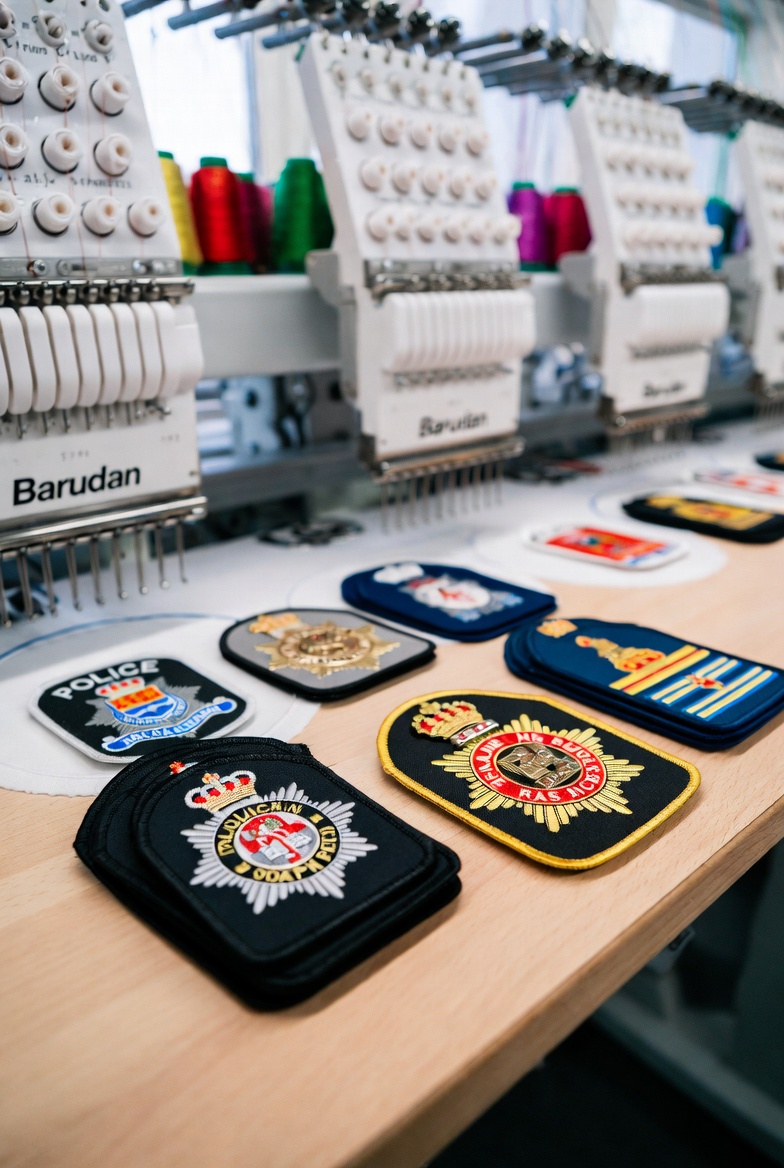
A Coventry-based insignia manufacturer produces over 200 embroidered badge variants for UK police, fire, and ambulance services using StitchFast — achieving a 99.1% quality control pass rate.
Read Case Study →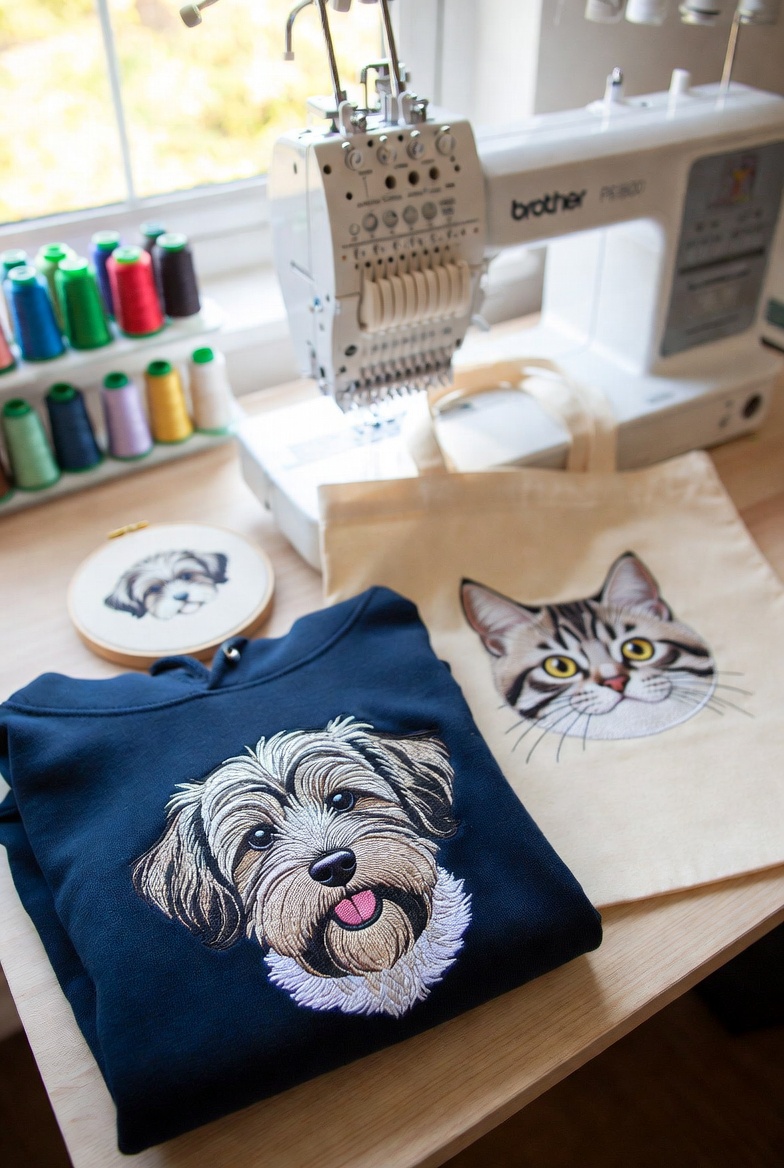
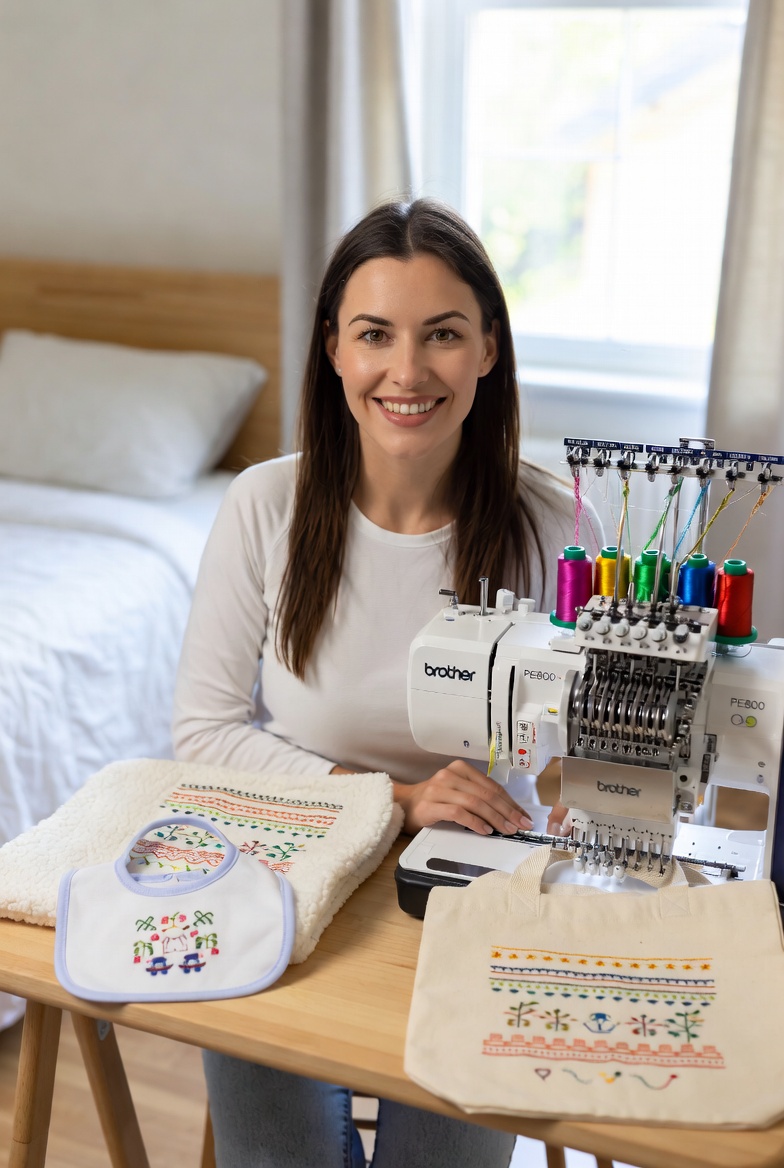
A Bristol-based home embroiderer turned her single Brother PE800 into a £3,000/month Etsy business by using StitchFast to instantly digitize custom pet portrait artwork — eliminating the digitizing bottleneck entirely.
Read Case Study →Blog
From £3.50 per design. 7 formats. Under 60 seconds.
Open StitchFast