Upload Your Image
Drag and drop any PNG, JPG, or SVG. Logos, text, and solid artwork produce the best results.
Tajima commercial machines use the .DST format. Upload a PNG, JPG, or SVG and StitchFast's AI digitizes it into a production-ready DST file with a matching colour sequence — ready for any Tajima head. Real digitizing, not auto-tracing.
Quick answer: Tajima embroidery machines use the .DST (Data Stitch Tajima) format — the universal standard for commercial machines. DST stores the stitches, jumps and colour stops but not the thread colours themselves, so StitchFast also gives you a Madeira colour sequence list to load alongside it.
How It Works
No embroidery software required. No experience needed. Works on any device.
Drag and drop any PNG, JPG, or SVG. Logos, text, and solid artwork produce the best results.
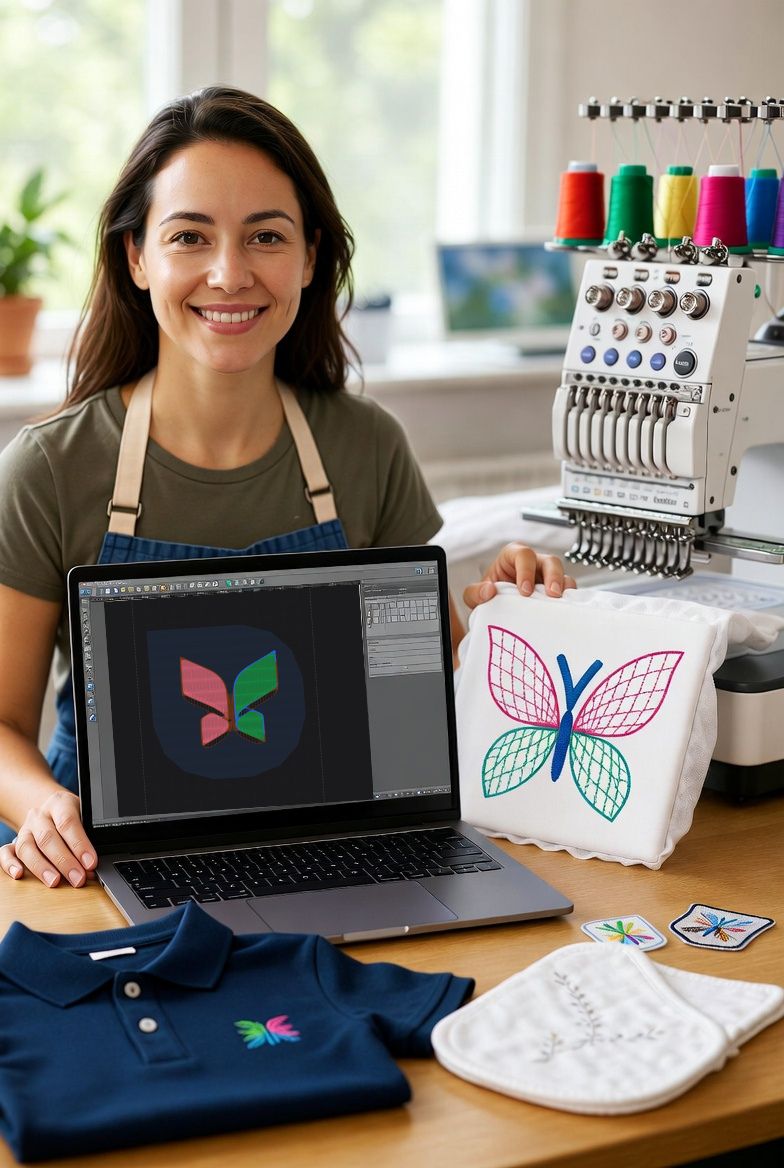
AI identifies regions, assigns stitch types, calculates density, and applies pull compensation automatically.
Watch a real-time stitch simulation, colour by colour, before you commit to downloading.
Get a production-ready file with correct stitch lengths, jumps, and colour changes. Machine-ready.
Before & After
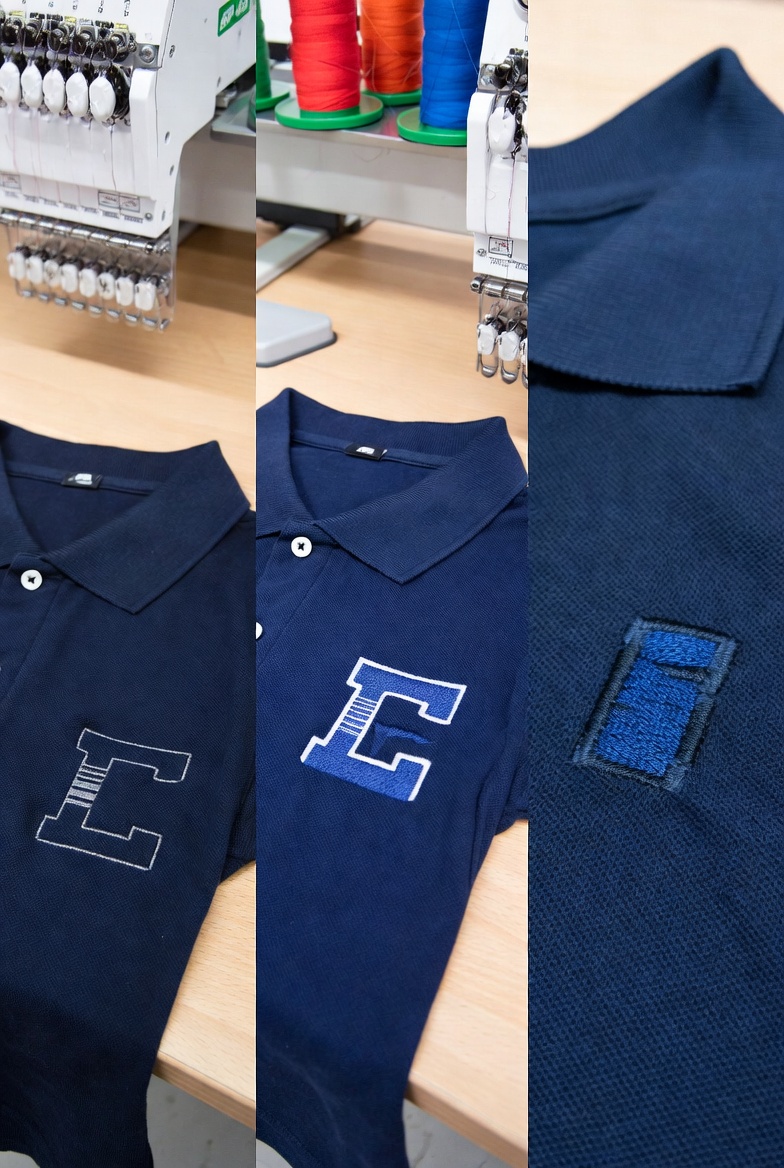
Drag the slider to see the transformation. Your image goes in — a production-ready embroidery file comes out.




Understanding Tajima files
Tajima machines read the .DST format — short for Data Stitch Tajima. DST is the most widely supported embroidery format in the world and the default for commercial multi-head machines. It stores needle movements, stitch lengths, jumps, trims and colour-change stops.
One thing to know about DST: it does not store the actual thread colours — only the points where a colour change happens. The operator assigns colours at the machine per stop. That is why StitchFast pairs every DST file with a Madeira thread sequence, so your team knows exactly which spool goes on each needle.
A JPG or PNG cannot be stitched directly — it has to be digitized into DST stitch commands, with underlay and pull compensation so it holds up in production. StitchFast produces a proper binary DST with correct max stitch lengths and jump commands, tested to run cleanly on Tajima heads. For more depth, see our dedicated DST file converter.
Compatible Machines
| Machine | Notes |
|---|---|
| Tajima single-head | TEJT / TEMX and similar — loads DST via USB or network. |
| Tajima multi-head | Commercial production heads — DST over USB or LAN. |
| Barudan | Also reads DST (and DSB) — StitchFast DST files run on Barudan heads. |
| Ricoma | Commercial machines read DST via USB. |
| SWF / Happy / ZSK | Read DST, the universal commercial standard. |
Loading Files
Convert your image on StitchFast and download the DST file plus the colour sequence list. Copy the DST to a USB stick or send it over your network to the machine.
Insert the USB or select the file from the network on the Tajima control panel, and open the design.
Using the StitchFast Madeira colour list, assign a thread to each needle in the colour-change order. DST does not carry colours, so this step sets them.
Position the design, set your start point and speed, hoop or frame the garment, and run. The machine stops at each colour change for needle assignment.
What You Get
No extra charges. Every feature is included with every conversion.
Fill, satin, and running stitches assigned per region, with angles optimised for coverage and minimal thread breaks.
Automatic edge overshoot so fill areas don't shrink when thread tension pulls the fabric inward.
Every colour matched to a real Madeira Rayon thread number so you know exactly which spool to load.
Preview the design stitching out in real time, colour by colour, before downloading. Free in the app.
Offset row fill for professional coverage. Configurable density from 2 to 8 lines per millimetre.
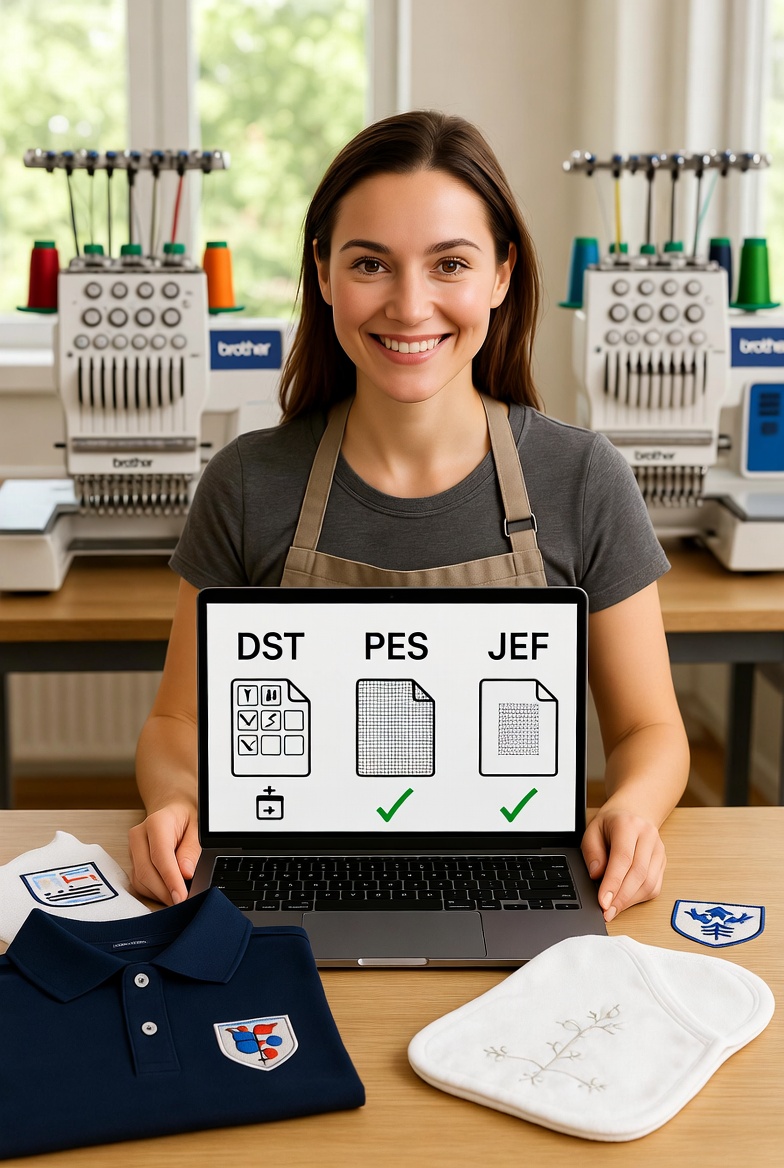
DST, PES, JEF, EXP, VP3, HUS, and XXX from every single upload. Download whichever your machine needs.
Other Formats
Every StitchFast conversion also generates PES, JEF, EXP, VP3, HUS and XXX from the same upload — useful if you also run home machines or supply files to customers. See the format comparison guide or which format your machine uses.
FAQ
Tajima machines use the .DST (Data Stitch Tajima) format, the universal commercial embroidery standard. StitchFast converts any image into a DST file and includes a Madeira colour sequence, since DST itself does not store thread colours.
No. DST stores stitches, jumps, trims and colour-change stops, but not the colours themselves, which are set at the machine. StitchFast supplies a Madeira thread sequence so you know which colour to load at each stop.
Yes, with digitizing. StitchFast uses AI to analyse your image, assign stitch types, add underlay and pull compensation, and generate a proper binary DST file in under 60 seconds.
Yes. DST is the universal commercial format, so StitchFast DST files also run on Barudan, Ricoma, SWF, Happy and ZSK machines, not only Tajima.
Your first file is free, then from £3.50 per design, with credit packs and a £29.99/month unlimited plan. All seven formats included.
Case Studies
See how embroidery businesses use StitchFast to generate production-ready embroidery files instantly.
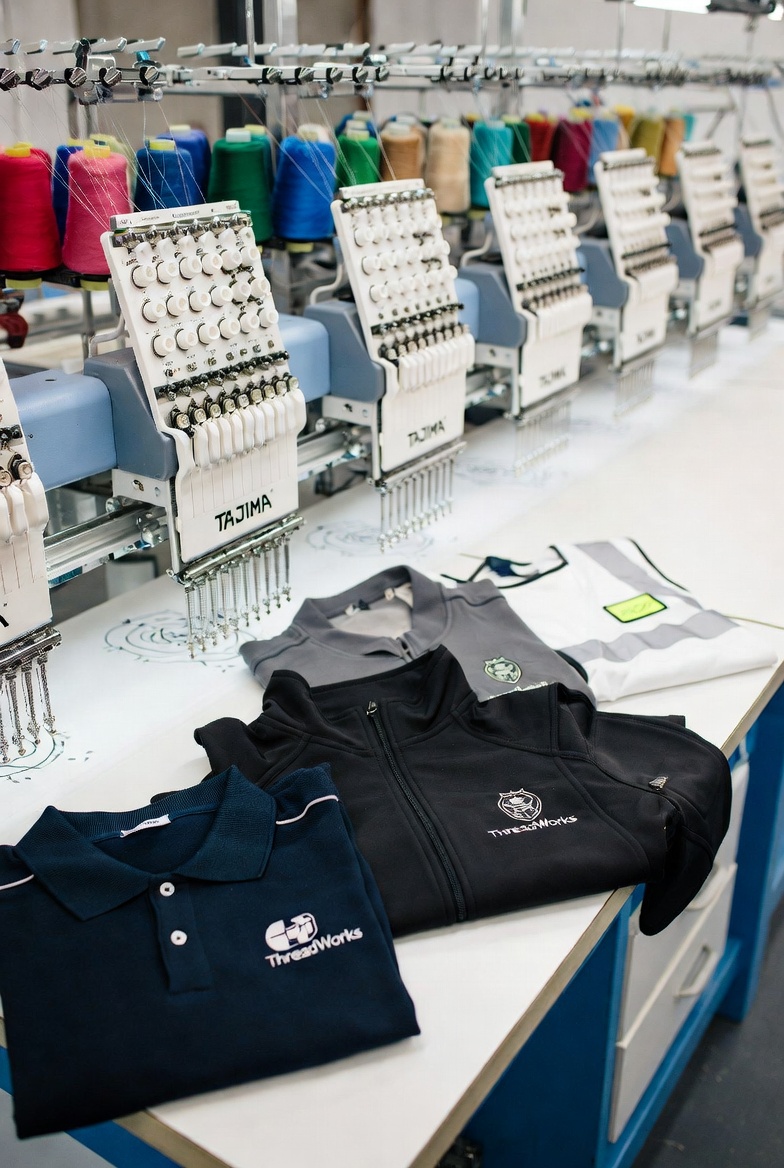
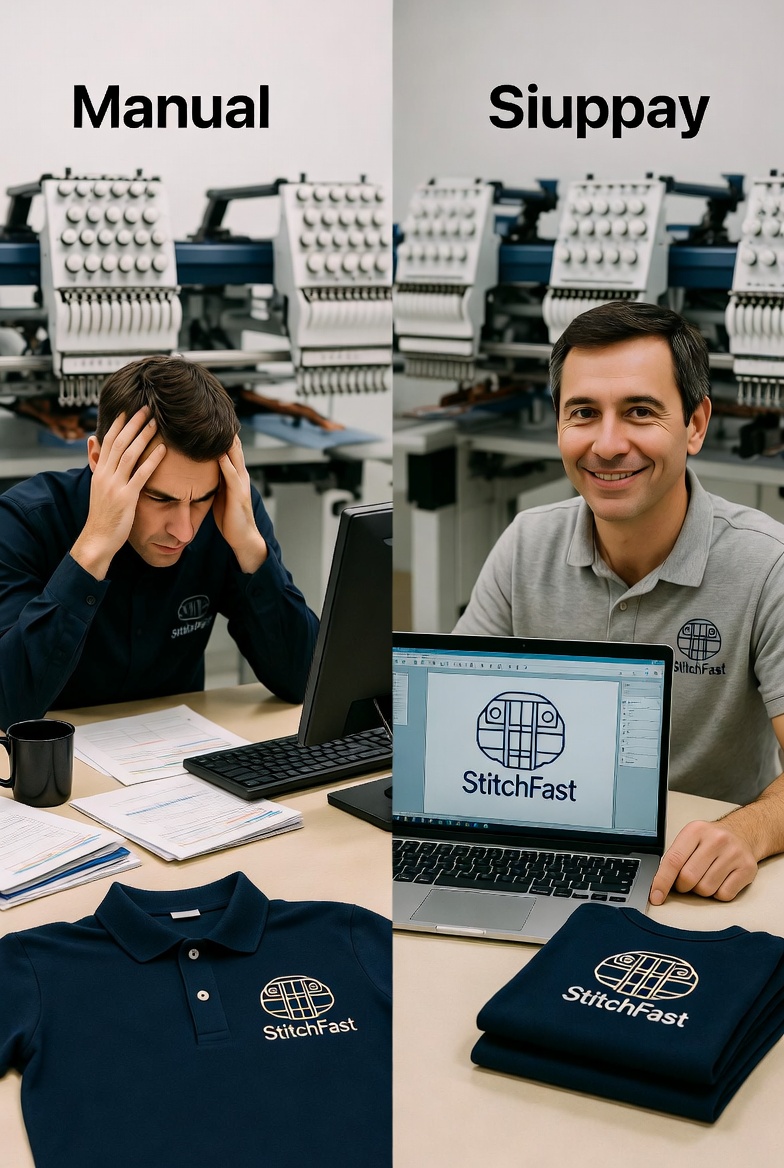
A Birmingham-based uniform supplier processing 800+ corporate logos per year slashed digitizing costs from £25 per design to £3.50 using StitchFast — and cut turnaround from 48 hours to under 60 seconds.
Read case study →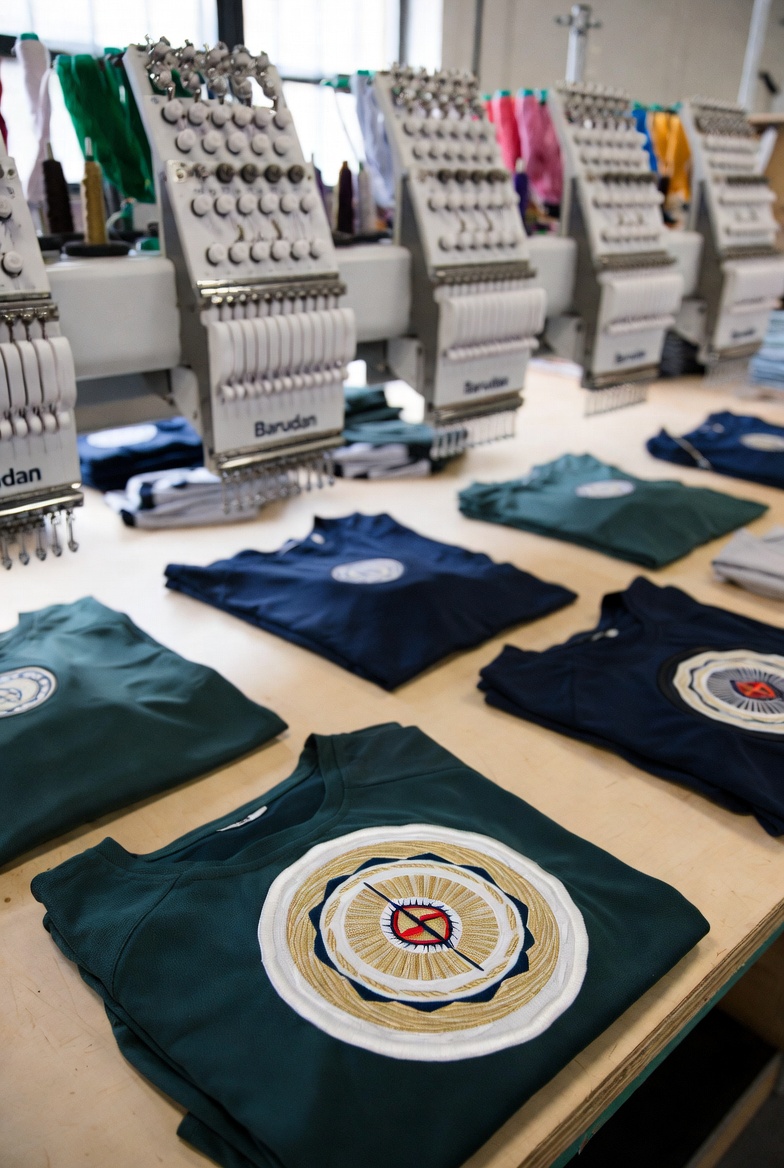
A Manchester sports kit manufacturer scaled from 50 to 300 team clients per season after switching to StitchFast — eliminating the digitizing queue that previously capped their capacity.
Read case study →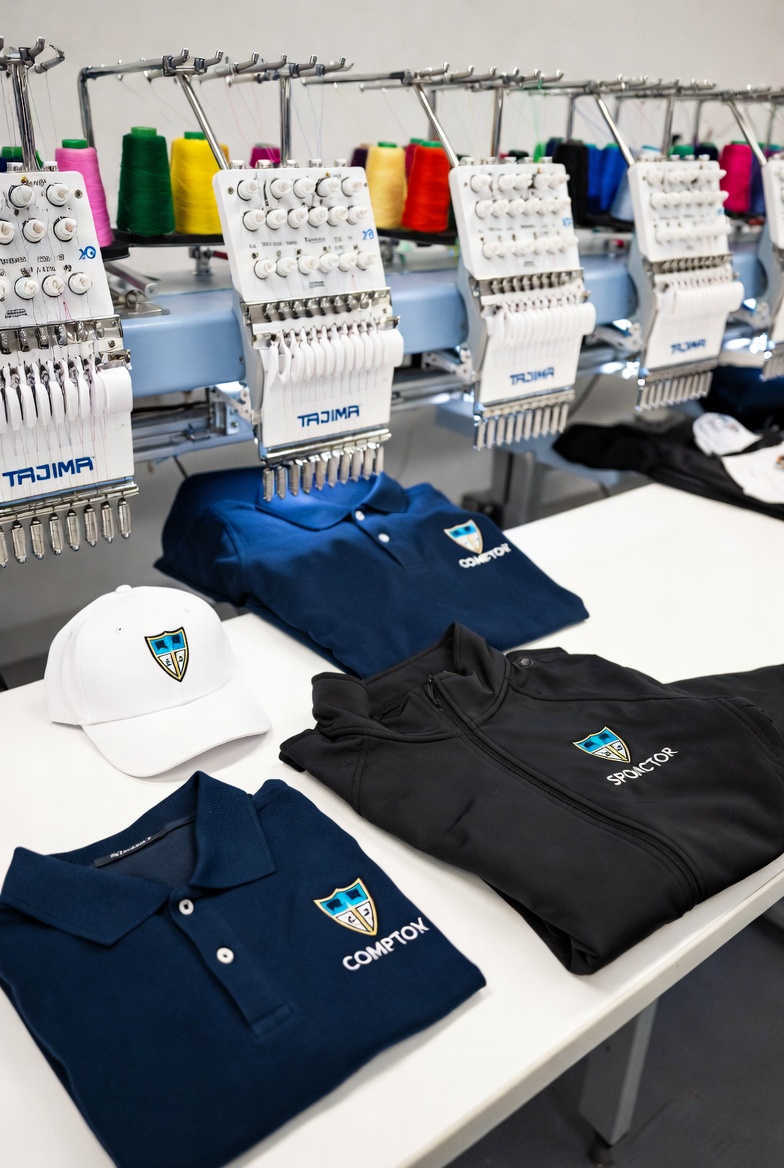
A Leeds promotional merchandise company processing 1,400+ unique client logos per year eliminated their entire five-day digitizing queue overnight using StitchFast — saving over £35,000 annually.
Read case study →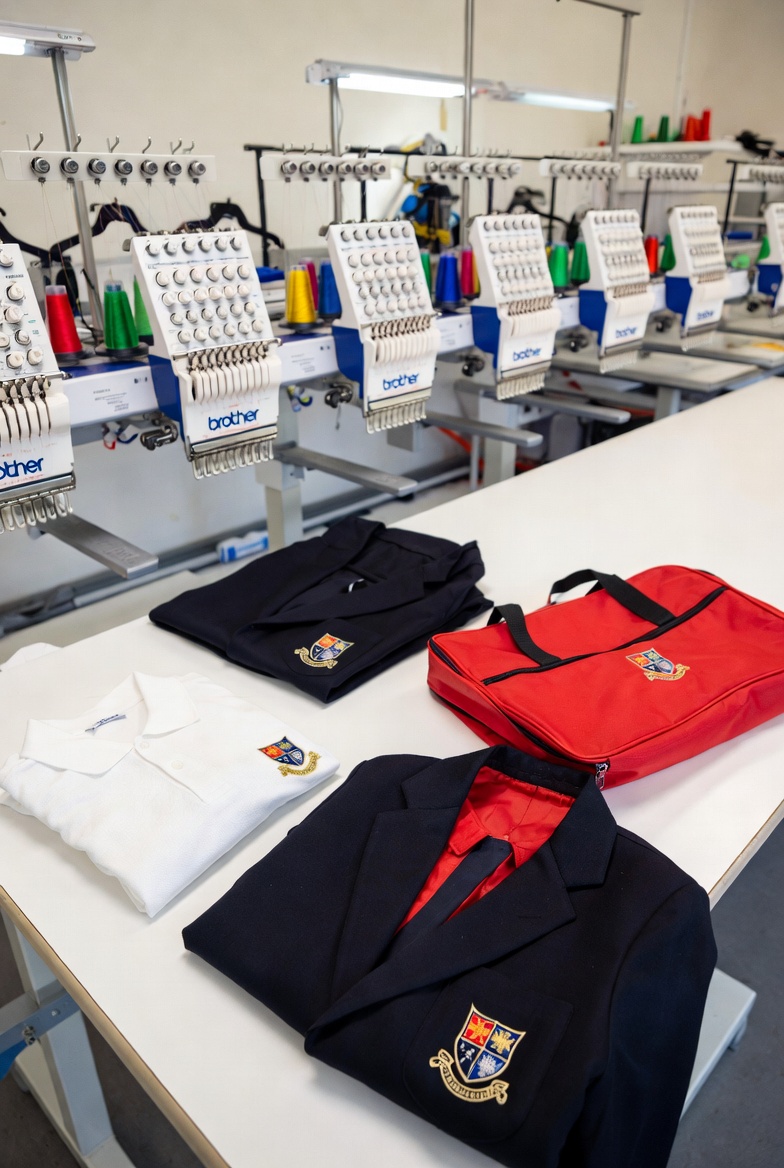
A Nottingham school uniform supplier digitized their entire catalogue of 165 school badges in a single week using StitchFast — a task that previously took three months of outsourced digitizing.
Read case study →Blog & Resources
From beginner guides to factory-floor automation — everything about embroidery files and digitizing.

Upload an image and download a production-ready file in under 60 seconds. From £3.50 per design — your first file is free.
Convert an image now